What Is Audio Stem Separation?
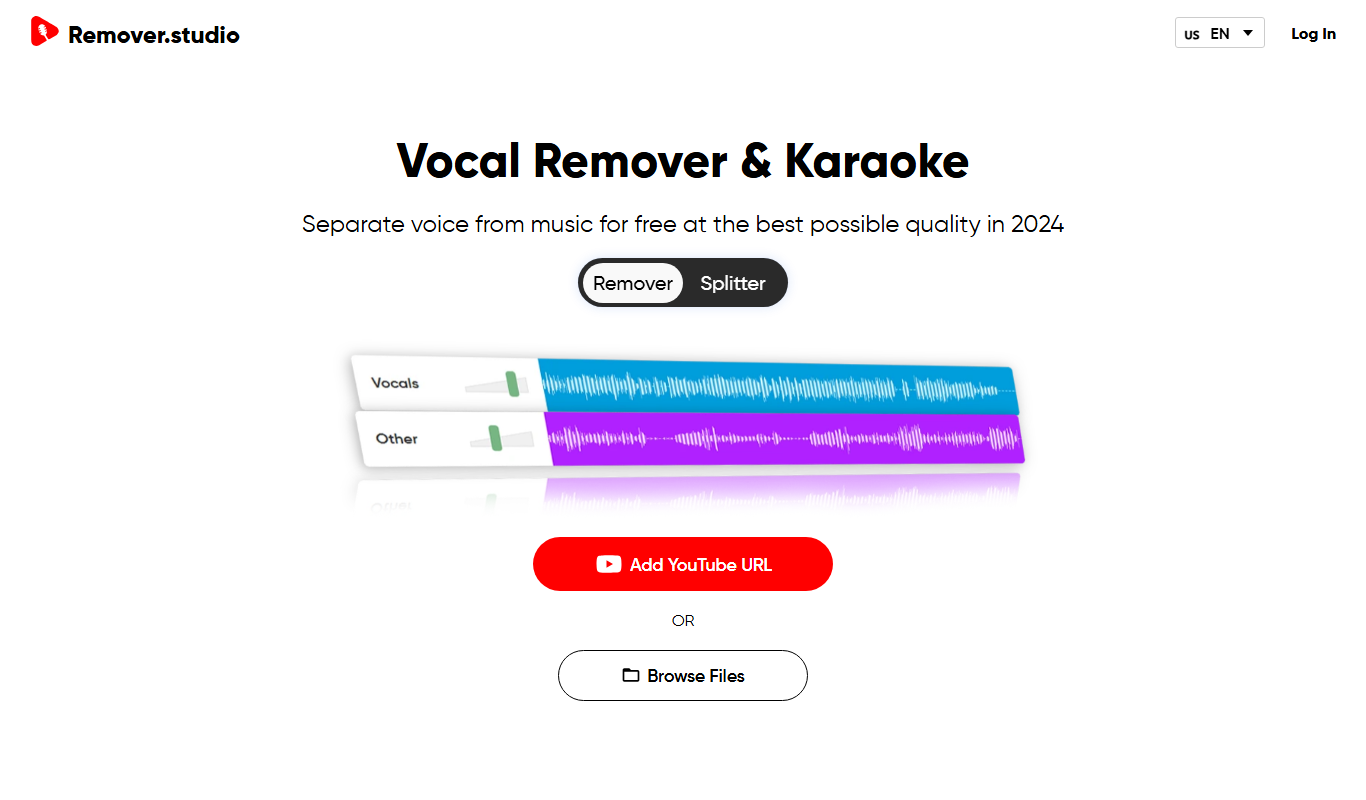
Audio stem separation involves breaking down a full music or audio mix into its constituent parts, known as stems. Each stem represents a distinct element like vocals, bass, drums, or other instruments. This technique helps producers, DJs, and content creators manipulate or remix specific parts of a track without affecting the entire mix. By using advanced algorithms and machine learning, audio stem separation can extract these elements even from complex stereo recordings, enabling greater creative control and flexibility.
Why Is Audio Stem Separation Important?
Audio stem separation is vital for music production, remixing, and audio restoration. It allows professionals to isolate and enhance specific parts of a track, improving sound quality or creating new versions. This capability also enables better mastering, karaoke track creation, and sampling. For marketers and content creators, separating stems can enhance multimedia projects by focusing on individual sound elements, making audio content more engaging and tailored.
- Enables precise control over individual audio elements for mixing and editing
- Facilitates creative remixing and sampling by isolating specific sounds
- Supports audio restoration and enhancement tasks in professional workflows
Key Characteristics of Audio Stem Separation
- Isolation Accuracy: Quality of how well each audio element is separated without bleeding from other sounds.
- Algorithm Complexity: Use of machine learning models and signal processing techniques to analyze and extract stems.
- Output Flexibility: Compatibility with various audio formats and ability to export stems individually for further use.
How Audio Stem Separation Works (Step-by-Step)
- Input: A mixed audio track is uploaded or processed by the separation software.
- Analysis: The software employs algorithms to detect patterns, frequencies, and sound sources within the mix.
- Extraction: Individual stems like vocals, drums, or instruments are isolated and output as separate audio files.
Real-World Examples of Audio Stem Separation
- Music Remixing: DJs separate vocals and beats from a song to create new remixes or mashups.
- Film and Video Production: Editors isolate dialogue from background music to enhance audio clarity in post-production.
Audio Stem Separation in SEO, Marketing, or Business Context
In marketing and business, audio stem separation enables creators to customize audio content for advertisements, podcasts, and branded videos. By isolating specific sounds, marketers can craft unique audio experiences that resonate with their audience. Additionally, stem separation supports accessibility by allowing background music to be lowered or removed, enhancing voice clarity in promotional materials. This technology also opens new avenues for interactive content and personalized audio campaigns.
Common Mistakes or Misunderstandings About Audio Stem Separation
- Assuming perfect isolation is always possible; some artifacts or sound bleed may remain.
- Believing stem separation replaces the need for multitrack recordings in professional mixing.
Related Terms
- Source Separation
- Multitrack Recording
- Audio Signal Processing
FAQs About Audio Stem Separation
Popular tools include iZotope RX, Spleeter, and Adobe Audition, which use AI and signal processing to separate stems.
Yes, but the quality of separation depends on the complexity of the mix and the software’s capabilities.
Summary
Audio stem separation is a powerful technique that breaks down mixed audio into individual sound components, offering creative and technical advantages in music production, marketing, and multimedia projects. While it’s not flawless, advances in AI and signal processing have made stem separation accessible and valuable for professionals seeking greater control over audio content.