What Is AI Proctoring?
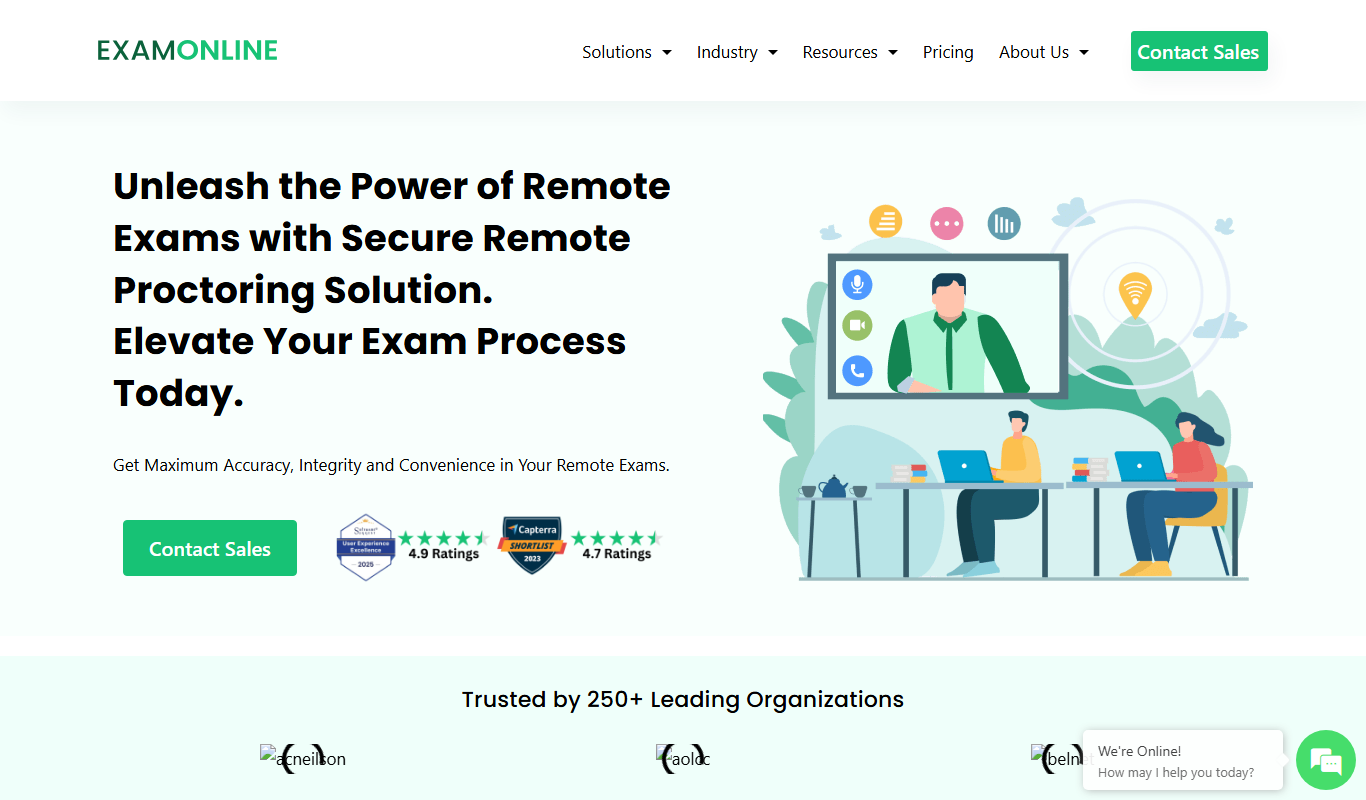
AI proctoring refers to the application of advanced artificial intelligence systems that oversee remote exams by automatically detecting suspicious behavior, verifying identities, and preventing cheating. It uses algorithms, computer vision, and machine learning to analyze video, audio, and screen activity in real time, providing a secure and scalable alternative to traditional in-person proctoring.
Why Is AI Proctoring Important?
AI proctoring plays a crucial role in maintaining exam integrity, especially as education and certification increasingly move online. It reduces the need for human proctors, lowering costs and allowing exams to be conducted anytime, anywhere. Additionally, it helps institutions uphold fairness and trust in remote assessments through consistent monitoring and immediate flagging of irregularities.
- Enhances security and reduces academic dishonesty in online tests.
- Supports flexible, remote, and large-scale exam administration.
- Provides detailed reports and evidence for audit and review processes.
Key Characteristics of AI Proctoring
- Real-Time Monitoring: Continuously observes test-takers via webcam, microphone, and screen activity to detect anomalies.
- Identity Verification: Uses biometric checks, such as facial recognition, to confirm the test-taker’s identity before and during the exam.
- Automated Flagging: Employs AI to identify suspicious behaviors like multiple faces, unusual movements, or use of unauthorized devices.
How AI Proctoring Works (Step-by-Step)
- Authentication: The system verifies the candidate’s identity using biometrics or ID documents.
- Monitoring: During the exam, AI software monitors video, audio, and on-screen activity to detect cheating indicators.
- Reporting: The system generates a report highlighting flagged incidents for human review or immediate action.
Real-World Examples of AI Proctoring
- University Online Exams: Many universities use AI proctoring to securely conduct remote midterms and finals, ensuring academic honesty.
- Certification Bodies: Professional certification programs adopt AI proctoring to authenticate candidates and maintain exam credibility worldwide.
AI Proctoring in SEO, Marketing, or Business Context
In the digital economy, AI proctoring supports businesses and educational institutions by enabling scalable, trustworthy online assessments. Marketers promoting e-learning platforms often highlight AI proctoring as a key feature that boosts user confidence and compliance. From an SEO perspective, content addressing AI proctoring’s benefits, challenges, and implementation can drive targeted traffic interested in remote exam solutions.
Common Mistakes or Misunderstandings About AI Proctoring
- Assuming AI proctoring alone guarantees 100% cheat-proof exams without human oversight.
- Overlooking privacy concerns and failing to communicate data handling policies clearly to users.
Related Terms
- Remote Exam Monitoring
- Online Assessment Platforms
- Biometric Authentication
FAQs About AI Proctoring
It uses AI algorithms to analyze video, audio, and screen data for suspicious activities like multiple faces, unusual eye movements, or unauthorized materials.
Yes, reputable AI proctoring services implement strict data protection measures and comply with privacy regulations, but users should review privacy policies carefully.
Summary
AI proctoring is a transformative technology that enables secure and efficient online exam supervision using artificial intelligence. By automating identity verification and continuous monitoring, it helps maintain test integrity while supporting flexible remote learning and certification. Understanding its functions, benefits, and limitations is essential for educators, businesses, and marketers leveraging digital assessment tools.