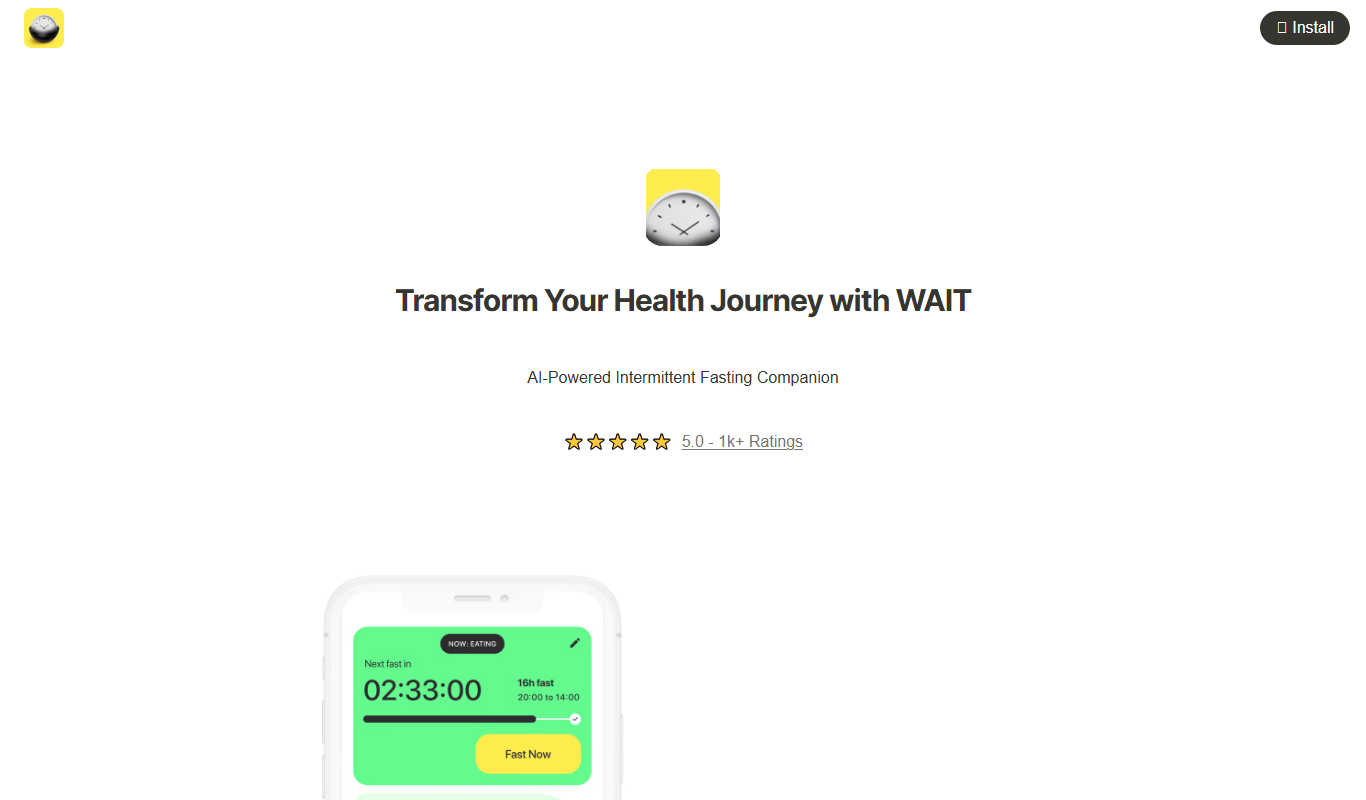
What Is AI Health Apps?
AI Health Apps leverage machine learning algorithms, data analytics, and natural language processing to assist users in managing their health. These apps can track vital signs, suggest lifestyle changes, provide symptom analysis, or even offer mental health support. By interpreting user data and medical information, AI Health Apps deliver tailored recommendations, making healthcare more accessible and proactive.
Why Is AI Health Apps Important?
AI Health Apps are transforming how individuals engage with their health by offering continuous monitoring and personalized insights outside traditional clinical settings. They empower users to make informed decisions, improve early detection of diseases, and reduce the burden on healthcare systems. In a fast-paced world, these apps provide convenient and scalable health solutions.
- Enhances patient engagement through personalized health tracking and advice.
- Facilitates early detection and prevention by analyzing health data in real-time.
- Supports healthcare providers by offering data-driven insights and reducing workload.
Key Characteristics of AI Health Apps
- Personalization: Tailors health recommendations based on individual user data and habits.
- Data Integration: Combines inputs from wearables, medical records, and user feedback for comprehensive analysis.
- Interactivity: Uses chatbots or virtual assistants to engage users and provide instant support.
How AI Health Apps Works (Step-by-Step)
- Collect user data through sensors, questionnaires, or manual input.
- Analyze data using AI algorithms to identify patterns or health risks.
- Provide personalized feedback, alerts, or action plans to improve health outcomes.
Real-World Examples of AI Health Apps
- Symptom Checker Apps: These apps analyze reported symptoms and guide users on when to seek medical help.
- Fitness and Wellness Apps: Apps that monitor activity, nutrition, and sleep, offering tailored advice to enhance well-being.
AI Health Apps in SEO, Marketing, or Business Context
In the digital health market, AI Health Apps serve as innovative tools to attract and retain users by offering unique value through personalization and convenience. Marketers emphasize AI capabilities to differentiate products, improve user trust, and enhance engagement. SEO strategies focus on keywords like “AI health monitoring,” “personalized wellness,” and “digital health assistant” to capture growing interest in smart healthcare solutions.
Common Mistakes or Misunderstandings About AI Health Apps
- Assuming AI Health Apps replace professional medical advice rather than complement it.
- Believing that AI algorithms are infallible, ignoring the need for human oversight.
Related Terms
- Digital Health
- Machine Learning
- Wearable Technology
FAQs About AI Health Apps
They use encryption and comply with healthcare regulations to protect user information.
They assist with symptom analysis but do not replace professional medical diagnosis.
Summary
AI Health Apps combine artificial intelligence and health data to offer personalized, accessible healthcare support. By enhancing monitoring, early detection, and user engagement, these apps play a crucial role in modern digital health strategies. While valuable, they work best alongside professional medical guidance to optimize health outcomes.