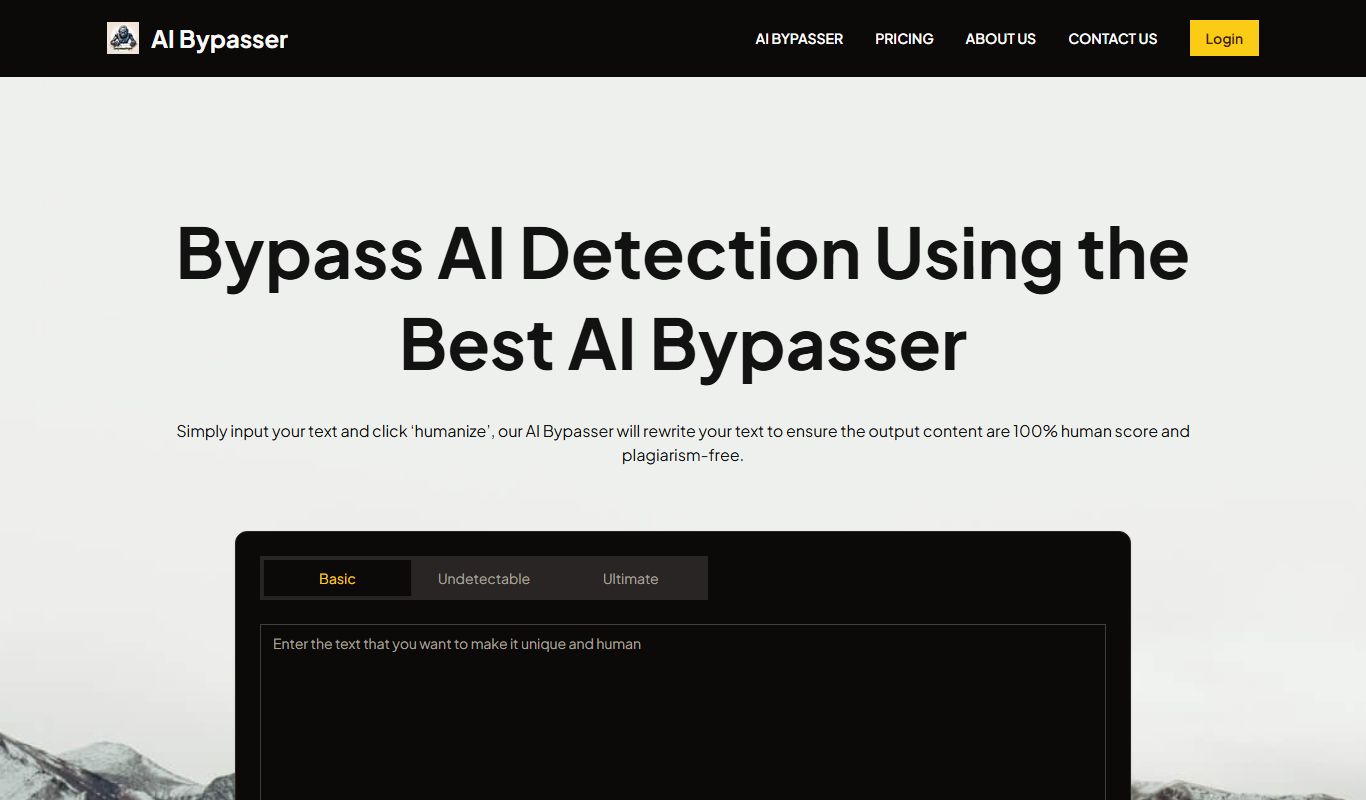
What Is AI Content Detection?
AI Content Detection refers to tools and techniques used to analyze text, images, or other digital content to determine if it was created by an AI system rather than a human. It involves examining patterns, linguistic features, and metadata that typically differ between human-generated and AI-generated materials. This detection helps maintain content authenticity and ensures transparency in digital communications.
Why Is AI Content Detection Important?
As AI-generated content becomes more prevalent, distinguishing between human and AI-produced materials is vital for maintaining trust, quality, and originality online. AI Content Detection supports content creators, marketers, and platforms in verifying authenticity, avoiding plagiarism, and preventing misinformation.
- Protects the integrity and originality of digital content.
- Helps educators and publishers verify genuine work.
- Supports SEO efforts by identifying potentially low-quality AI-generated text.
Key Characteristics of AI Content Detection
- Pattern Recognition: Detects repetitive phrases, unnatural sentence structures, or statistical anomalies typical of AI-generated text.
- Contextual Analysis: Assesses coherence and relevance within the content to spot inconsistencies common in AI outputs.
- Metadata Examination: Reviews hidden data and source information that may indicate AI usage.
How AI Content Detection Works (Step-by-Step)
- Input the content into an AI detection tool or software.
- The tool analyzes linguistic patterns, syntax, and metadata for AI indicators.
- The system generates a confidence score or report indicating the likelihood of AI involvement.
Real-World Examples of AI Content Detection
- Academic Integrity: Universities use AI detection to verify student essays and research papers to ensure originality.
- Content Marketing: Brands utilize detection tools to confirm that blog posts and articles are authentically human-written to maintain brand voice.
AI Content Detection in SEO, Marketing, or Business Context
In SEO and marketing, AI Content Detection helps maintain high-quality content standards. Search engines increasingly prioritize original and valuable content, making it essential to distinguish AI-generated text that may not meet these criteria. Businesses rely on detection tools to avoid penalties, uphold brand reputation, and ensure content aligns with customer expectations and search algorithms.
Common Mistakes or Misunderstandings About AI Content Detection
- Assuming AI detection tools are 100% accurate without human review.
- Believing all AI-generated content is low-quality or spammy, ignoring cases where AI assists human creativity.
Related Terms
- Natural Language Processing (NLP)
- Content Authenticity
- Machine Learning
FAQs About AI Content Detection
Popular tools include OpenAI’s AI text classifiers, Turnitin, and specialized software that analyze linguistic patterns and metadata.
While helpful, detection tools are not flawless and should be combined with human judgment for the best results.
Summary
AI Content Detection plays a crucial role in today’s digital landscape by distinguishing between human and AI-generated content. It safeguards authenticity, supports SEO quality, and helps businesses maintain trust with their audiences. Understanding how AI detection works and its applications enables marketers and content creators to navigate AI-driven content ethically and effectively.