

Comprehensive Research Database and Citation Index for Academic Publications
Web of Science is a subscription-based research platform by Clarivate that provides access to a multidisciplinary citation index, enabling academic research, citation tracking, and bibliometric analysis.
- Best for
- Academic Research
- Key capability
- Multidisciplinary Citation Index
Save Web of Science, follow its updates and vote on it — everything stays in your account.
Sign in or create a free account
What is Web of Science?
Web of Science is a comprehensive research platform and citation indexing service developed by Clarivate. It provides access to a vast collection of scholarly literature across multiple disciplines, enabling researchers, academics, and institutions to discover, analyze, and manage scientific publications and citation data. The platform supports rigorous academic research, bibliometric analysis, and research impact assessment.
Key features of Web of Science
Key features include a multidisciplinary citation index, advanced search capabilities, citation tracking, research analytics dashboards, and integration with reference management tools. Web of Science offers curated content from high-impact journals and conference proceedings, supporting reliable and efficient literature discovery.
Multidisciplinary Citation Index
Covers thousands of journals and conference proceedings across sciences, social sciences, arts, and humanities.
Advanced Search Filters
Allows precise queries by author, institution, funding agency, keywords, and publication year.
Citation Tracking and Metrics
Tracks citations over time and provides metrics such as impact factor and citation reports.
Research Analytics Dashboards
Visualizes research trends, collaboration networks, and influential publications.
Integration with Reference Managers
Supports exporting data to tools like EndNote and Zotero for streamlined citation management.
Pros and cons of Web of Science
Pros
- Extensive multidisciplinary coverage of scholarly literature
- Robust citation tracking and bibliometric analysis tools
- Advanced search and filtering capabilities
- Integration with popular reference management software
Cons
- Full access requires an institutional subscription
- Interface may have a learning curve for new users
- Limited language support primarily focused on English
Key use cases for Web of Science
Academic Research
Provides comprehensive access to peer-reviewed journals, conference proceedings, and other scholarly literature for in-depth academic research.
Citation Analysis
Enables tracking and analysis of citation metrics to evaluate research impact and trends across disciplines.
Literature Review
Facilitates systematic literature reviews by offering advanced search filters and curated content collections.
Research Trend Identification
Helps identify emerging research topics and influential authors through bibliometric data and analytics.
Grant and Funding Support
Assists researchers and institutions in identifying funding opportunities and collaborators based on publication data.
How Web of Science works
- 1
Access the Platform
Users log in to the Web of Science website through an institutional subscription or with free, limited Registered Access.
- 2
Search Scholarly Content
Perform advanced searches using keywords, authors, publication years, and other filters to locate relevant literature.
- 3
Analyze Citation Data
Review citation counts, h-index, and other bibliometric indicators to assess research impact.
- 4
Export and Manage References
Export search results to reference management software for organizing and citing sources.
Who is using Web of Science
Web of Science pricing
Institutional Subscription
Varies
Custom pricing based on institution size and access requirements.
Registered Access
Free
Free, limited access for individuals. Full access requires an institutional subscription; no individual subscription is advertised.
Plans and prices are as published by the vendor and can change. Check the official site before you buy. Open the pricing page (opens in a new tab)
Frequently asked questions about Web of Science
Web of Science indexes peer-reviewed journals, conference proceedings, books, and patents across multiple disciplines.
Individuals can use free, limited Registered Access. Full access comes through an institutional subscription, and no individual subscription is advertised.
The database is updated regularly, typically weekly, to include the latest publications and citation data.
Yes, users can export citations to various reference management tools such as EndNote and Zotero.
This tool is designed to help users accomplish its core tasks more efficiently. It is typically used by individuals or teams looking to improve productivity and workflow.
It depends on your specific needs and how you plan to use the tool. The official website and documentation are the best sources for the latest details.
Some tools offer a free plan or trial with limited features. Availability can vary, so confirm on the official website.
It depends on your specific needs and how you plan to use the tool. The official website and documentation are the best sources for the latest details.
Conclusion
Searches run by author, institution, funding agency, keywords and publication year to locate relevant scholarly literature. Citation counts, the h-index and citation reports then help assess research impact, and results can be exported to reference managers such as EndNote and Zotero. The Clarivate citation index covers journals and conference proceedings across the sciences, social sciences, arts and humanities.
Academic researchers, university libraries and graduate students are the core audience for this research database. Full access is sold through institutional subscriptions priced by institution size, while individuals get free, limited Registered Access.
Sources
Sign in to review this tool.
Sign In to ReviewNo reviews yet
Be the first to share how this tool worked for you.
Ask about pricing, limits, or how it compares — or answer someone else.
Sign In to AskNo questions yet
Have a question about using or paying for this tool? Be the first to ask.
Featured on TiorAI



More AI Analytics Assistant tools
Other tools in the same category, for when this one is not quite the fit.
Octolens AI
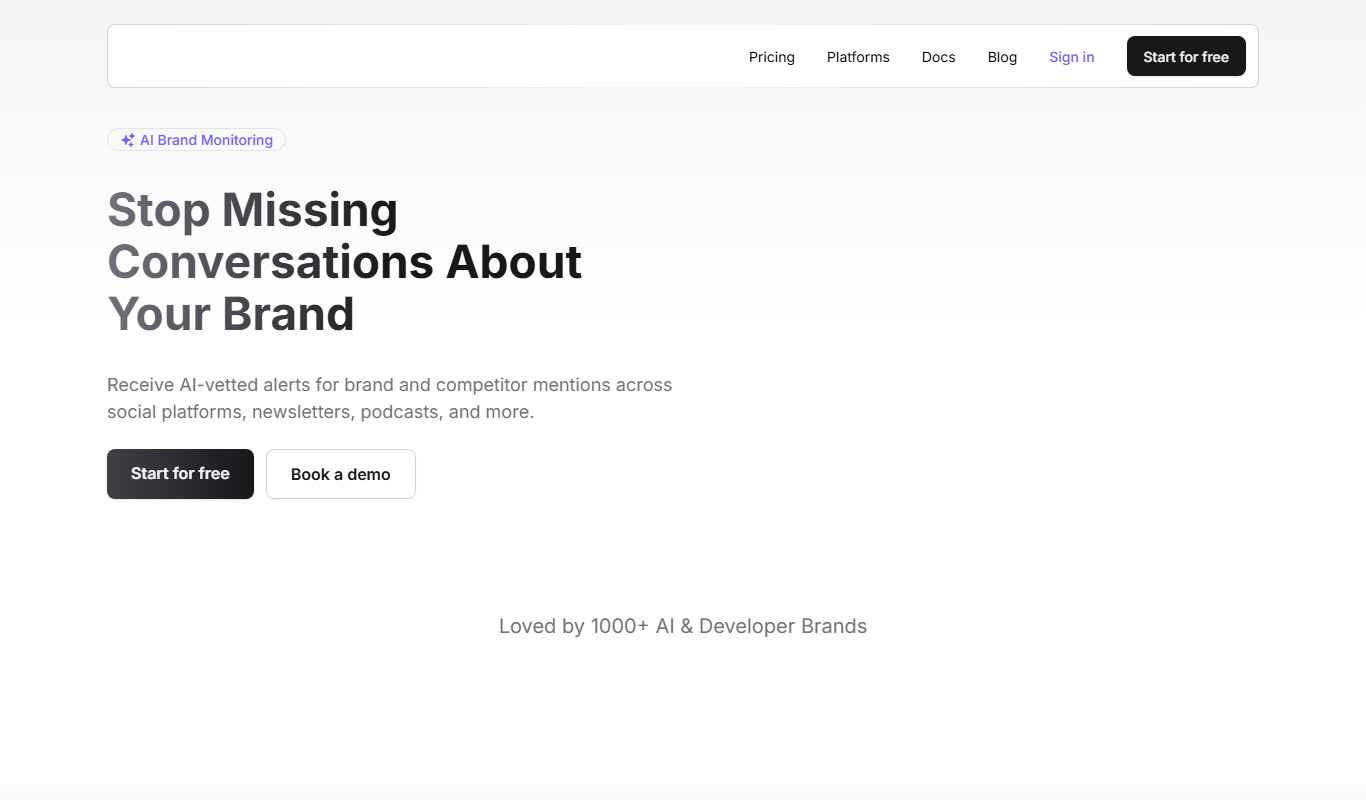
Octolens is an AI social listening tool that tracks brand mentions across Reddit, X, LinkedIn and 10+ platforms, with API, MCP and webhooks on every plan.

Insight7
Insight7 analyzes customer calls, scores every conversation, coaches reps and deploys AI voice and chat agents for customer teams.

neuronsinc.com
Neurons is a neuromarketing AI that predicts attention, engagement and memorability of ad creatives before they go live, with heatmaps and behavioral scores.
LangWatch
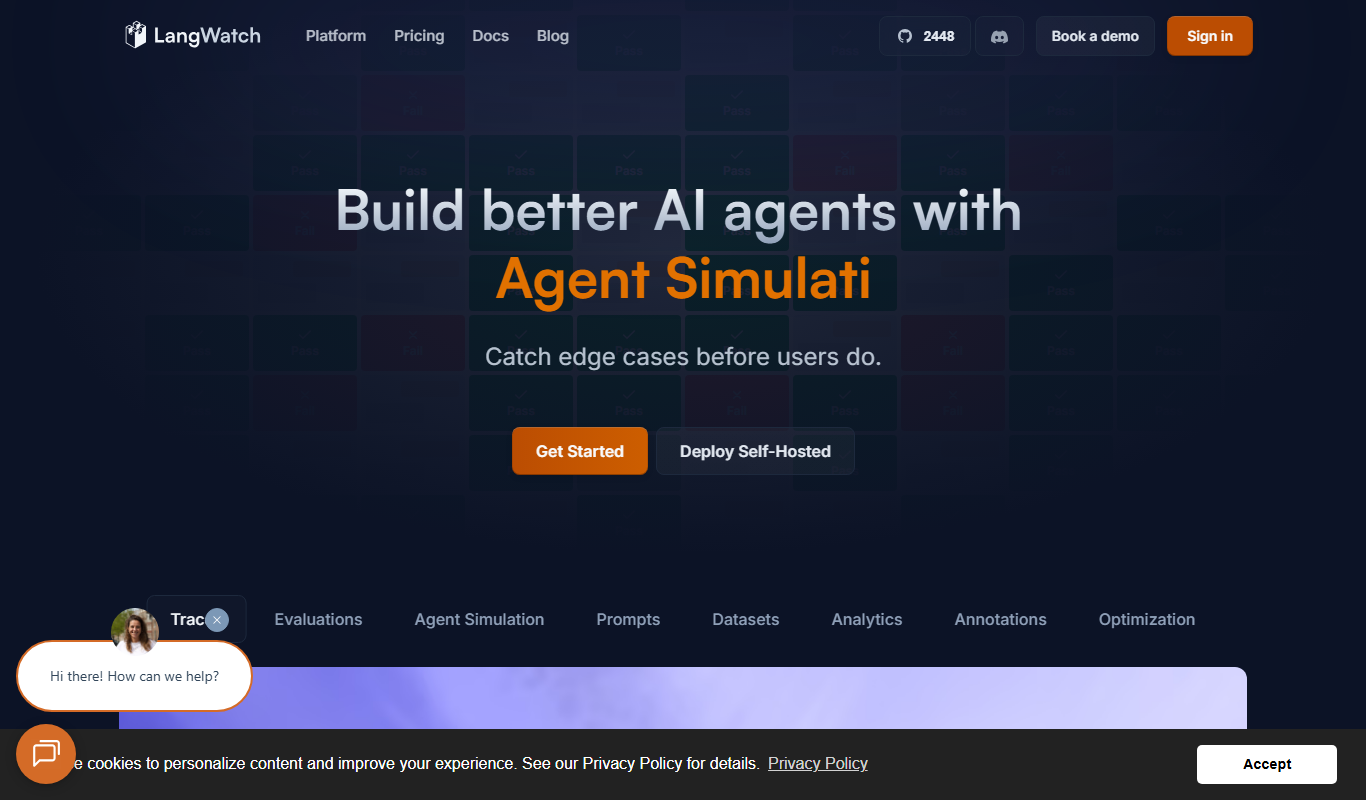
LangWatch is an AI agent testing and evaluation platform with simulations, evals, observability and prompt management, available in the cloud or self-hosted.

5-Out
5-Out helps restaurants boost profits with AI-powered sales forecasting, automated scheduling and purchasing based on predicted demand.

MUSICDATAK
MusicDatak is a music research platform that helps radio stations and brands track music trends, optimize playlists and grow radio audience share with tools like StationRadar.

ReviewHawk
ReviewHawk analyzes app store reviews with AI to show why users leave and what they want, so app makers can reduce churn.

StrongArm Technologies PPE AI
StrongArm Technologies offers the SafeWork Sensor, a wearable device that provides real-time haptic feedback and collects movement data, and SafeWork Training, a personalized safety training program.