

Ionic Framework: Cross-Platform Mobile App Development with Web Technologies
Ionic Framework is an open-source SDK that allows developers to build cross-platform mobile applications using web technologies such as HTML, CSS, and JavaScript, supporting Angular, React, and Vue frameworks, and enabling native device access through Capacitor.
- Best for
- Cross-Platform Mobile App Development
- Key capability
- Cross-Platform Compatibility
Save Ionic Framework, follow its updates and vote on it — everything stays in your account.
Sign in or create a free account
What is Ionic Framework?
Ionic Framework is an open-source SDK for building high-quality cross-platform mobile applications using familiar web technologies like HTML, CSS, and JavaScript. It enables developers to create hybrid apps that run seamlessly on iOS, Android, and the web from a single codebase. Ionic integrates with popular frameworks such as Angular, React, and Vue, and uses Capacitor or Cordova to access native device features.
Key features of Ionic Framework
Ionic offers a rich library of pre-built UI components, native device API access via Capacitor, extensive documentation, and a powerful CLI for app development and deployment. It supports building Progressive Web Apps and provides tools for testing and debugging across platforms.
Cross-Platform Compatibility
Write once and deploy on multiple platforms including iOS, Android, and web.
Rich UI Component Library
Access a wide range of customizable, mobile-optimized UI components.
Capacitor Native Bridge
Use Capacitor to access native device features with modern APIs.
Framework Agnostic
Supports Angular, React, Vue, or vanilla JavaScript for flexible development.
Progressive Web App Support
Build PWAs with offline capabilities and native-like performance.
Pros and cons of Ionic Framework
Pros
- Single codebase for multiple platforms
- Large library of mobile-optimized UI components
- Supports popular frontend frameworks
- Strong community and extensive documentation
- Capacitor enables modern native integrations
Cons
- Performance may lag behind fully native apps for complex use cases
- Learning curve for integrating native plugins
- Some native features require custom plugin development
Key use cases for Ionic Framework
Cross-Platform Mobile App Development
Build mobile applications that run on iOS, Android, and the web using a single codebase with web technologies.
Progressive Web Apps (PWA)
Develop PWAs that provide native app-like experiences directly in the browser.
Hybrid App Development
Create hybrid mobile apps that combine native device features with web-based UI.
Enterprise App Solutions
Build scalable and maintainable enterprise-grade applications with integrations and custom plugins.
Rapid Prototyping
Quickly prototype mobile app ideas using Ionic’s UI components and starter templates.
How Ionic Framework works
- 1
Install Ionic CLI
Set up the Ionic command-line interface to create and manage projects.
- 2
Create a New Project
Generate a new app using starter templates with your preferred framework (Angular, React, Vue).
- 3
Develop UI and Logic
Use Ionic’s UI components and web technologies to build your app’s interface and functionality.
- 4
Access Native Features
Integrate native device capabilities using Capacitor plugins.
- 5
Test and Debug
Run your app on emulators, real devices, or browsers to test and debug.
- 6
Build and Deploy
Compile your app for iOS, Android, or web and deploy to app stores or web servers.
Who is using Ionic Framework
Ionic Framework pricing
Free
$0/month
Open-source framework with core features and community support.
Pro
$49/month
Includes additional tools like Appflow for CI/CD, native builds, and premium support.
Enterprise
Custom pricing
Tailored solutions with advanced features, dedicated support, and SLAs.
Plans and prices are as published by the vendor and can change. Check the official site before you buy. Open the pricing page (opens in a new tab)
Frequently asked questions about Ionic Framework
Ionic primarily uses web technologies such as HTML, CSS, and JavaScript/TypeScript.
Yes, Ionic supports Angular, React, and Vue frameworks.
Ionic builds hybrid apps that run inside a native container, providing near-native performance.
Capacitor is Ionic’s official native runtime that allows web apps to access native device features.
This tool is designed to help users accomplish its core tasks more efficiently. It is typically used by individuals or teams looking to improve productivity and workflow.
Yes, it can help with that use case depending on how you configure it and what features are available. You’ll get the best results with clear inputs and a defined goal.
The best alternative depends on your workflow, features you need, and budget. Compare plans, integrations, and output quality to choose the closest fit.
This tool is designed to help users accomplish its core tasks more efficiently. It is typically used by individuals or teams looking to improve productivity and workflow.
Conclusion
A new project is generated from starter templates with a preferred framework such as Angular, React or Vue. The interface is built with mobile-optimized UI components and web technologies like HTML, CSS and JavaScript. Capacitor plugins give the app access to native device features, and the finished project compiles for iOS, Android or the web. Progressive Web Apps with offline capabilities can also be built.
Its main users are mobile app developers and web developers transitioning to mobile. For complex use cases, performance may lag behind fully native apps, and some native features require custom plugin development. The core framework is open source and free.
Sources
Sign in to review this tool.
Sign In to ReviewNo reviews yet
Be the first to share how this tool worked for you.
Ask about pricing, limits, or how it compares — or answer someone else.
Sign In to AskNo questions yet
Have a question about using or paying for this tool? Be the first to ask.
Featured on TiorAI



Alternative Tools
Explore similar AI tools that might fit your needs

Flutter
Flutter is an open-source UI toolkit by Google that allows developers to build native mobile, web, and desktop applications from a single Dart codebase with high performance and expressive UIs.
More Coding & Development tools
Other tools in the same category, for when this one is not quite the fit.

QuickQR Art
QuickQR Art is a QR Code AI Art Generator for creating, customizing and tracking artistic QR codes, with dynamic QR codes, short links and an API.

Freed AI Medical Scribe
Freed AI Medical Scribe is an AI-driven tool that automates medical note-taking by transcribing and structuring physician-patient conversations, integrating seamlessly with EHR systems to improve clinical workflow.

ApplicantAI
ApplicantAI is an AI recruitment tool that automates resume screening and candidate matching to streamline hiring processes and improve candidate selection accuracy.
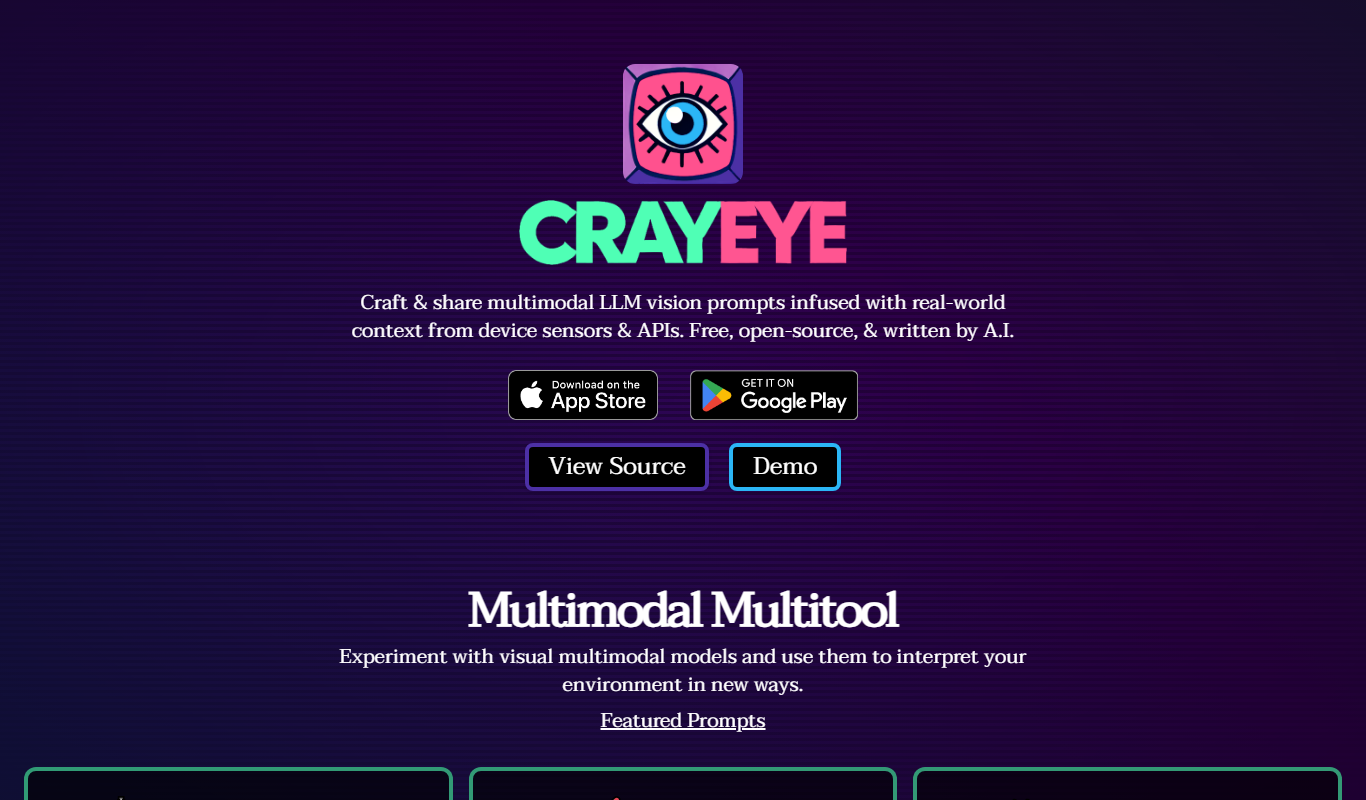
CrayEye
CrayEye is a free, open-source mobile app for crafting and sharing multimodal LLM vision prompts that use your camera plus sensor data such as location and weather.
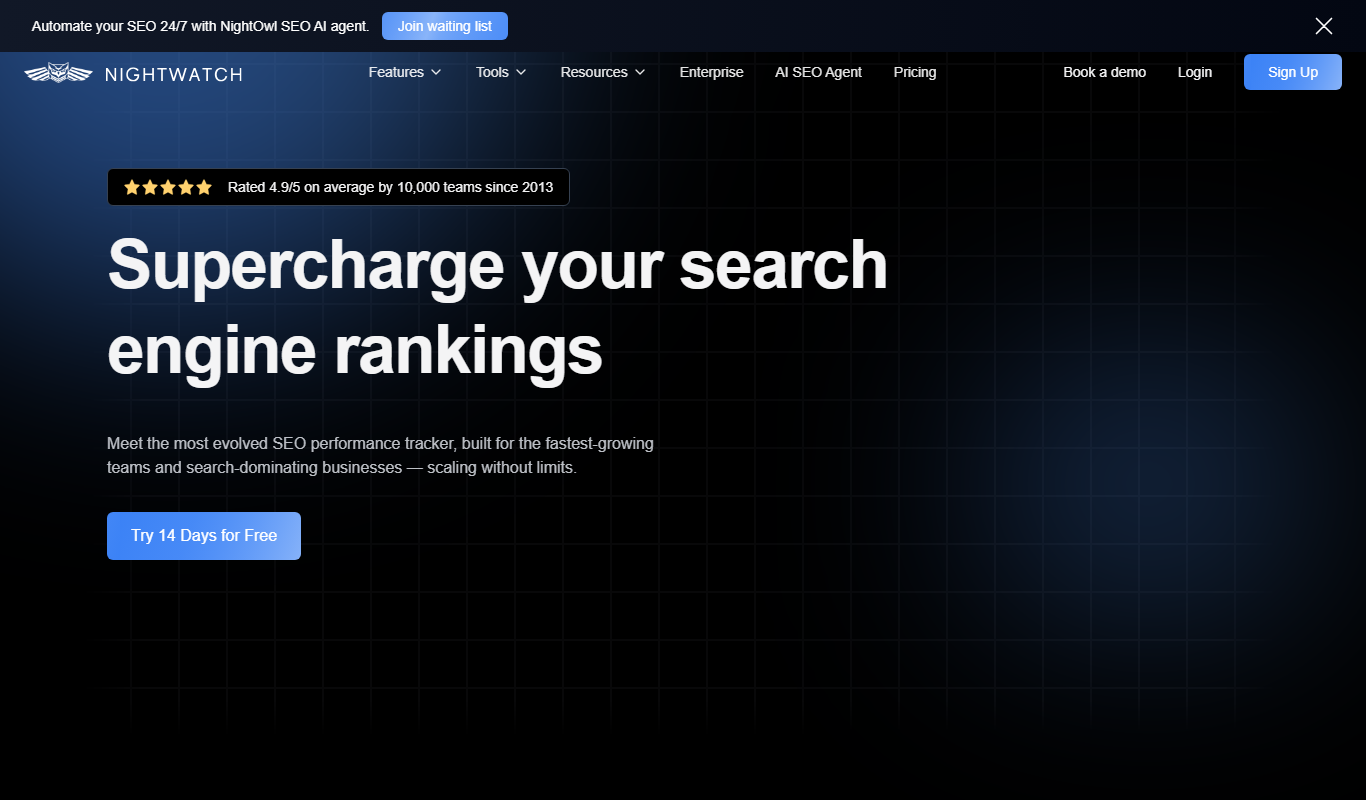
Nightwatch
Nightwatch is a Node.js powered end-to-end testing framework for writing efficient end-to-end tests and running them against W3C WebDriver.
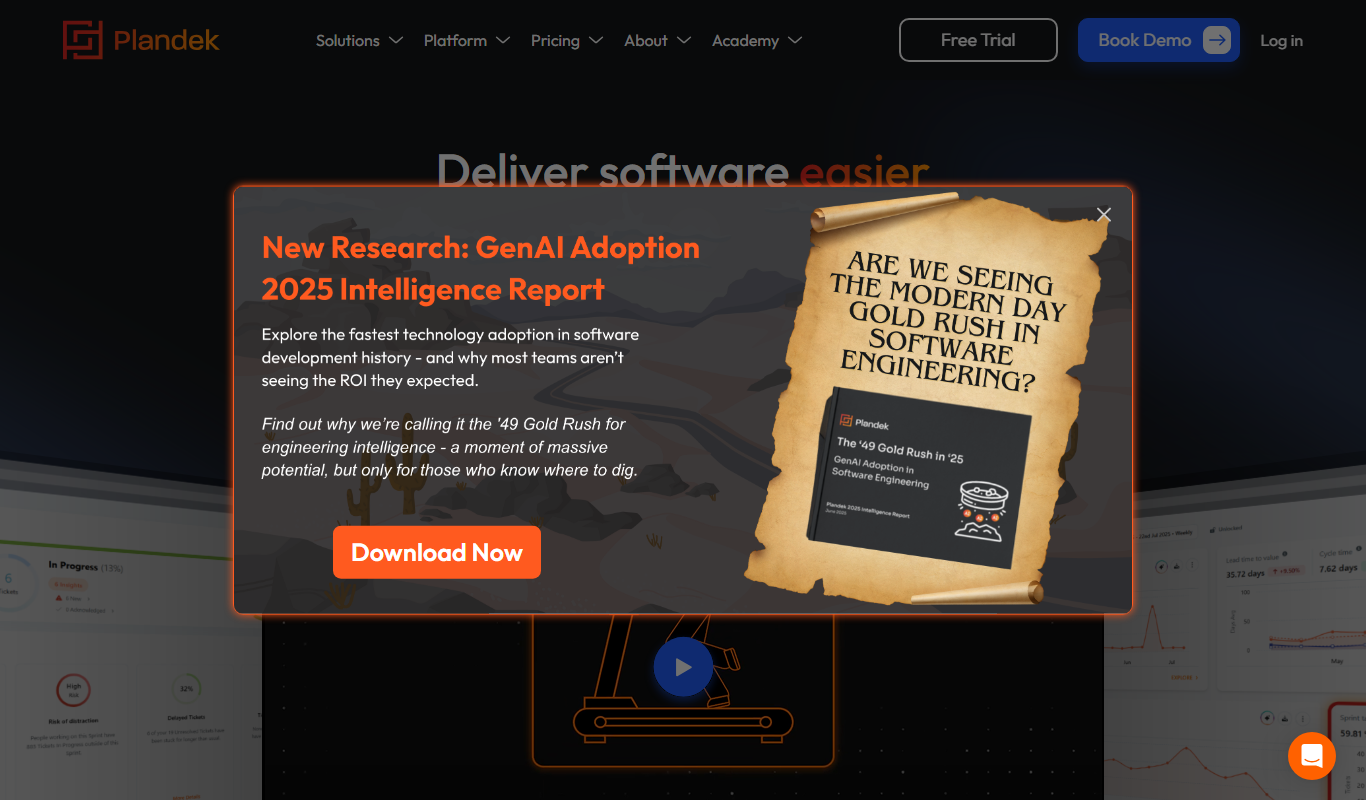
Plandek Intelligent Analytics
Plandek Intelligent Analytics is a software platform that provides real-time agile delivery metrics, predictive analytics, and comprehensive dashboards by integrating with development tools like Jira and Git to help teams optimize software delivery and DevOps processes.
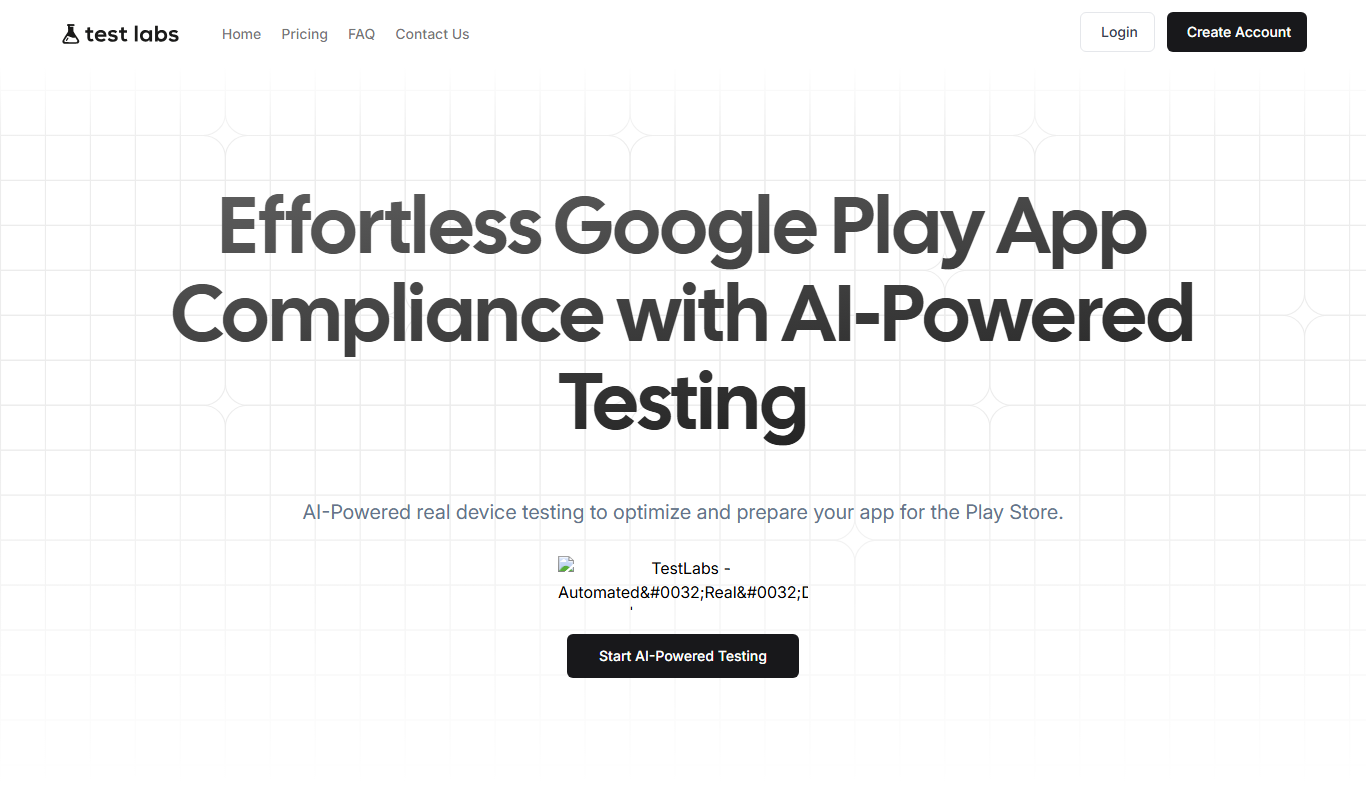
TestLabs
TestLabs tests your app on 20 real devices for 14 days to meet the Google Play testing policy, with daily reports, device logs and screenshots.
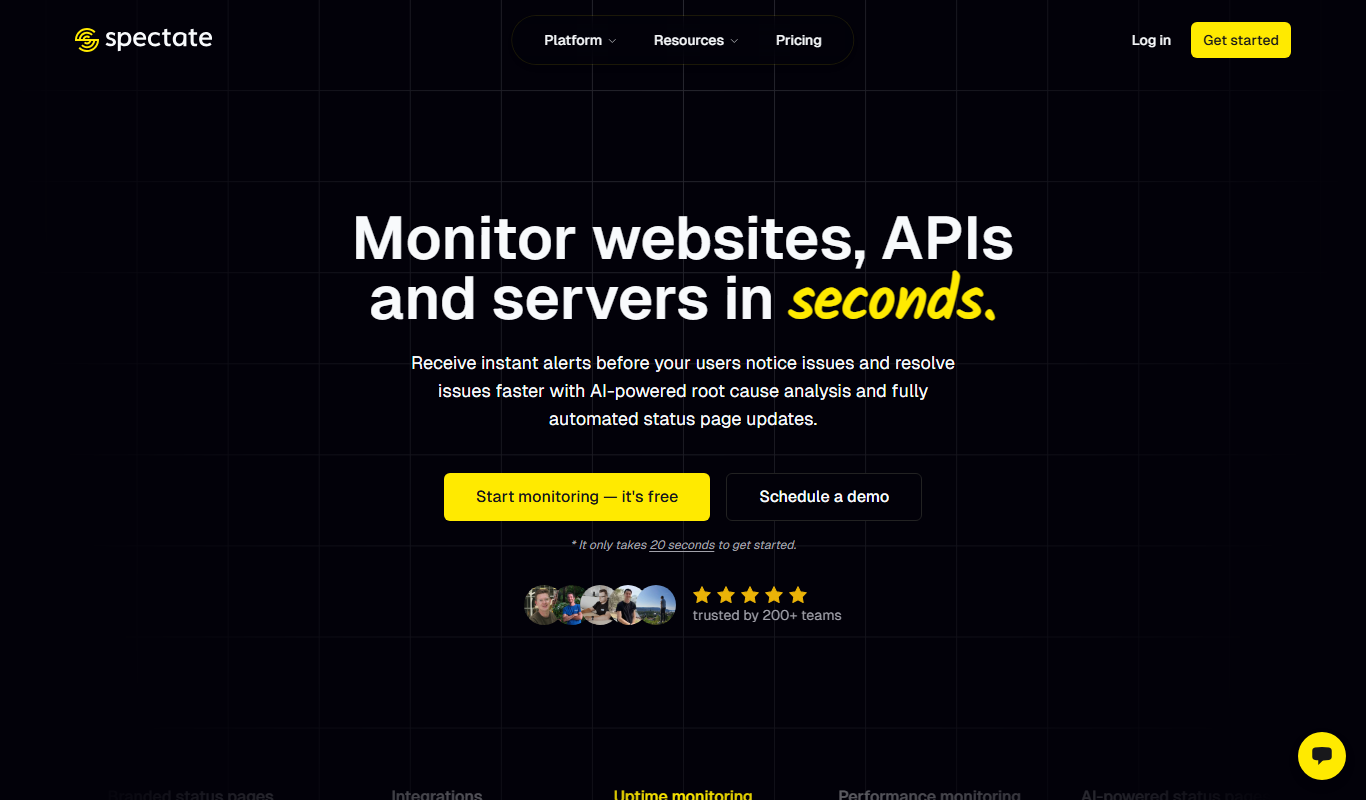
Spectate
Spectate monitors websites, APIs and servers, alerts you before users notice issues and keeps status pages updated with AI, with a free plan.