

Floatz AI-driven scientific due diligence for life-science investors
Floatz provides AI-driven scientific due diligence for biotech and life-science investors, surfacing hidden scientific risk before capital is committed.
- Best for
- Investment due diligence
- Key capability
- AI agents
Save floatz, follow its updates and vote on it — everything stays in your account.
Sign in or create a free account
What is floatz?
Floatz is an AI-driven scientific due diligence platform for pharma business development teams, biotech companies and life-science investors. Its engine combines self-learning AI agents for deep science search, a life science knowledge graph that links findings and claims as one evidence system, and living reports. Reports reference each claim to its source, detect evidence gaps and identify development risks, to support in-licensing, M&A and investment decisions.
Key features of floatz
Floatz combines AI agents for deep science search, a life science knowledge graph and living reports with claim-to-source referencing, evidence gap detection and development risk identification.
AI agents
Self-learning agents for deep science search and expert-level reasoning.
Life science knowledge graph
Findings and claims linked as one evidence system and evaluated in context.
Living reports
Explore the knowledge built through deep research on the Floatz platform.
Claim-to-source referencing
Every report links claims to sources, detects evidence gaps and identifies development risks.
Lead Capture and Qualification
Automatically collect and qualify leads through conversational forms.
Pros and cons of floatz
Pros
- Claims linked to their sources
- Detects evidence gaps
- Supports in-licensing, M&A and investment decisions
- Evaluates findings in context through a knowledge graph
- Free plan available for testing
Cons
- Built for life-science deals rather than general research
- No published pricing; access starts with contacting the team
Key use cases for floatz
Investment due diligence
Surface hidden scientific risk before capital is committed.
In-licensing
Surface development risks before in-licensing an asset.
Competitive benchmarking
Benchmark a candidate against its competitive class.
Data room review
Find out what the data room leaves out.
How floatz works
- 1
Contact Floatz
Get in touch or book a demo to start a diligence project.
- 2
Deep science search
AI agents search the scientific evidence on the asset.
- 3
Evidence linking
Findings and claims are linked in the life science knowledge graph.
- 4
Living report
A report with source references, evidence gaps and development risks supports the decision.
Who is using floatz
floatz pricing
Free
$0/month
Basic chatbot features with limited interactions and standard support.
Pro
$49/month
Advanced features including unlimited interactions, priority support, and integrations.
Plans and prices are as published by the vendor and can change. Check the official site before you buy. Open the pricing page (opens in a new tab)
Frequently asked questions about floatz
It provides AI-driven scientific due diligence for biotech and life-science investors, surfacing hidden scientific risk before capital is committed.
Pharma business development teams, biotech companies and life science investors.
Three layers work together: AI agents for deep science search, a life science knowledge graph and living reports.
Claim-to-source referencing, evidence gap detection, portfolio-level standardization and identified development risks.
It depends on your specific needs and how you plan to use the tool. The official website and documentation are the best sources for the latest details.
Some tools offer a free plan or trial with limited features. Availability can vary, so confirm on the official website.
Integration support depends on the tool and its available connectors or API. Check the official documentation or integrations page to confirm what is supported.
Yes, it can help with that use case depending on how you configure it and what features are available. You’ll get the best results with clear inputs and a defined goal.
Conclusion
Biotech and life-science deals are the focus: the aim is to surface hidden scientific risk before capital is committed. Self-learning AI agents search the science, a life science knowledge graph links findings and claims into one evidence system, and living reports present the result. Each report references claims to their sources and flags evidence gaps and development risks.
Pharma business development teams, biotech companies and investors use it to benchmark candidates, check what a data room leaves out and prepare in-licensing, M&A or investment decisions. Pricing is not published; access starts with contacting the team.
Sources
Sign in to review this tool.
Sign In to ReviewNo reviews yet
Be the first to share how this tool worked for you.
Ask about pricing, limits, or how it compares — or answer someone else.
Sign In to AskNo questions yet
Have a question about using or paying for this tool? Be the first to ask.
Featured on TiorAI



More AI Investment & Trading Tools tools
Other tools in the same category, for when this one is not quite the fit.

Exitfund
Exitfund is an angel investor network that invests in pre-seed, seed and Series A startups and helps founders raise additional funding.
investiment.io
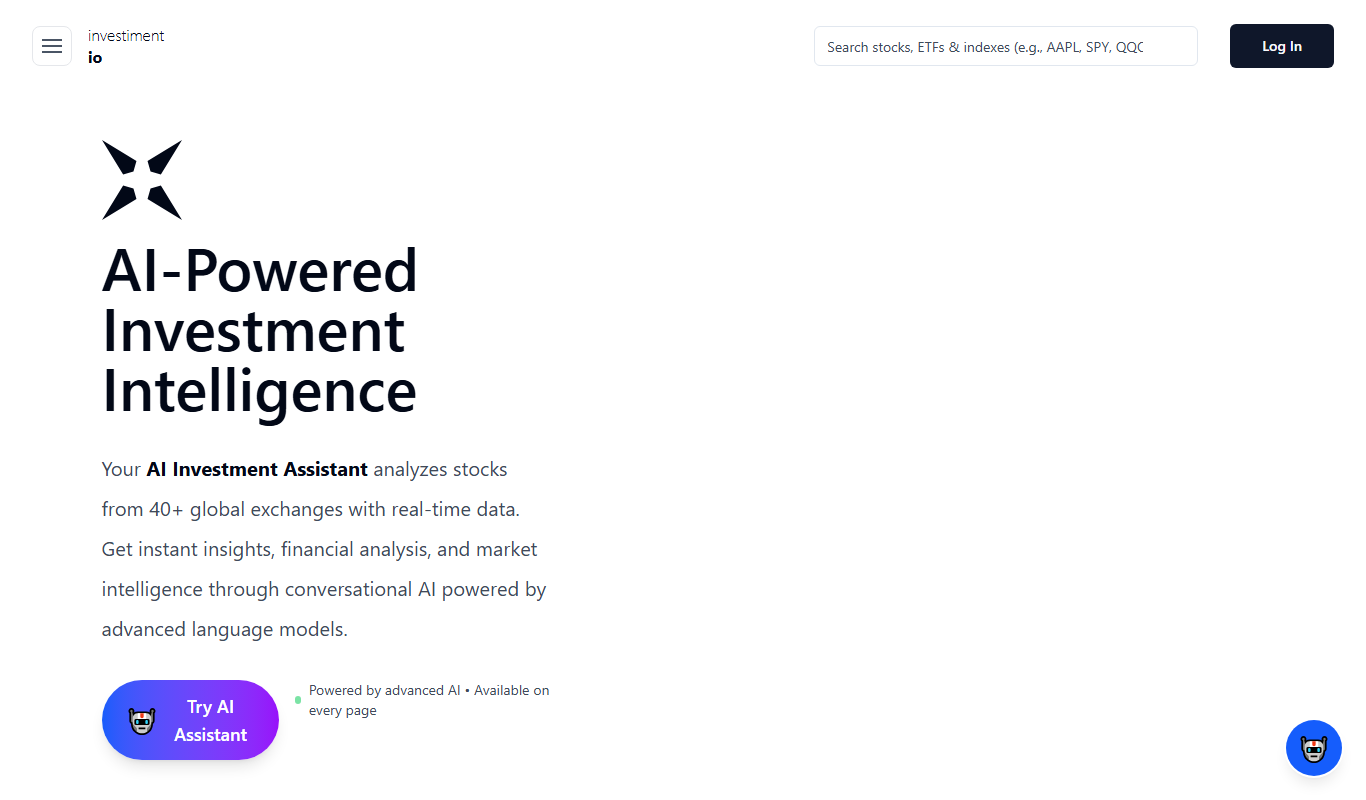
investiment.io is an AI-powered investment platform featuring an intelligent assistant that provides real-time stock analysis across 40+ global exchanges through conversational AI.
Folionomics
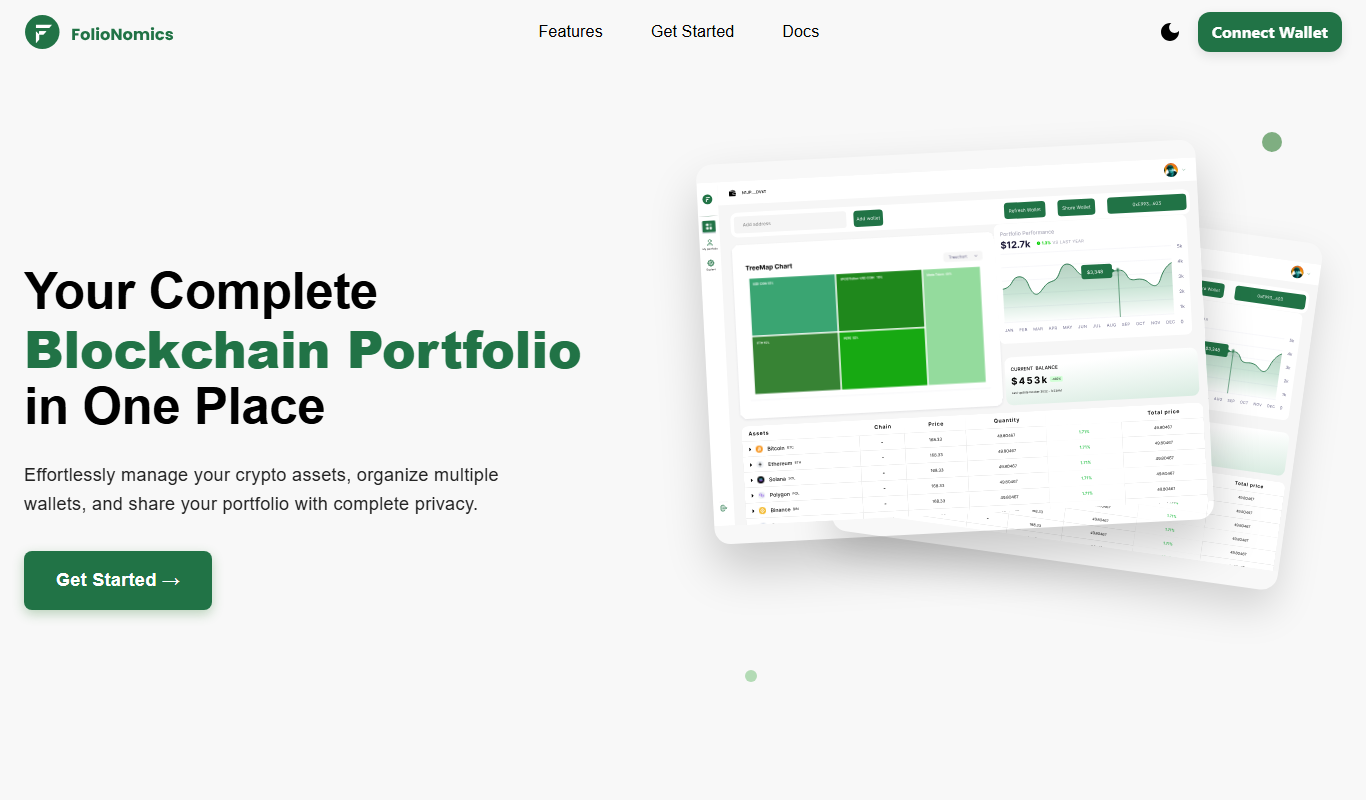
FolioNomics is a privacy-first crypto portfolio tool that organizes wallet holdings and DeFi positions across 60+ blockchains in one view.
stocknear
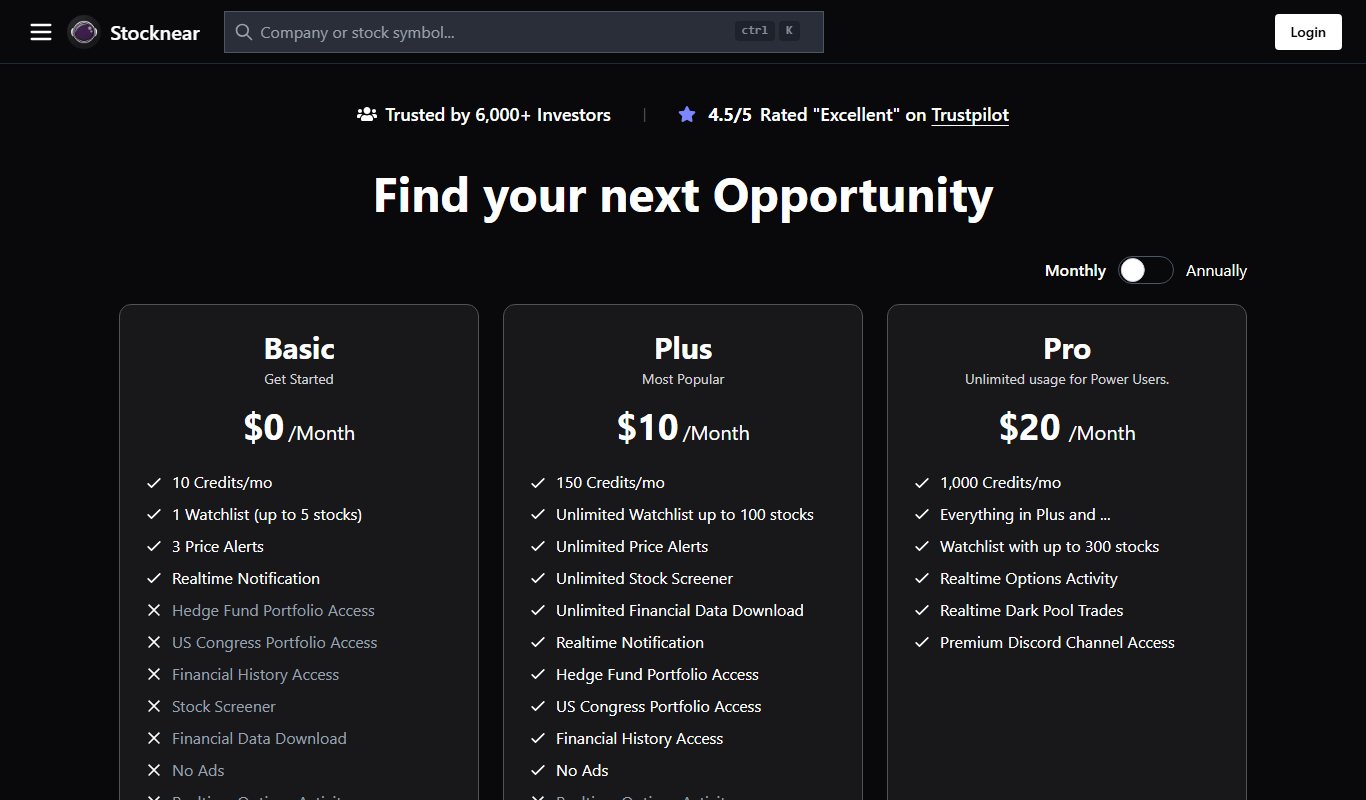
Stocknear is an all-in-one stock analysis platform with real-time prices, options flow, dark pool orders, news and forecasts for every US stock and ETF.
Stocknews AI
StockNews.AI turns stock market news into clear summaries with potential stock impact, sentiment and original sources, plus watchlist alerts and an API for investors.
bonsai.trade
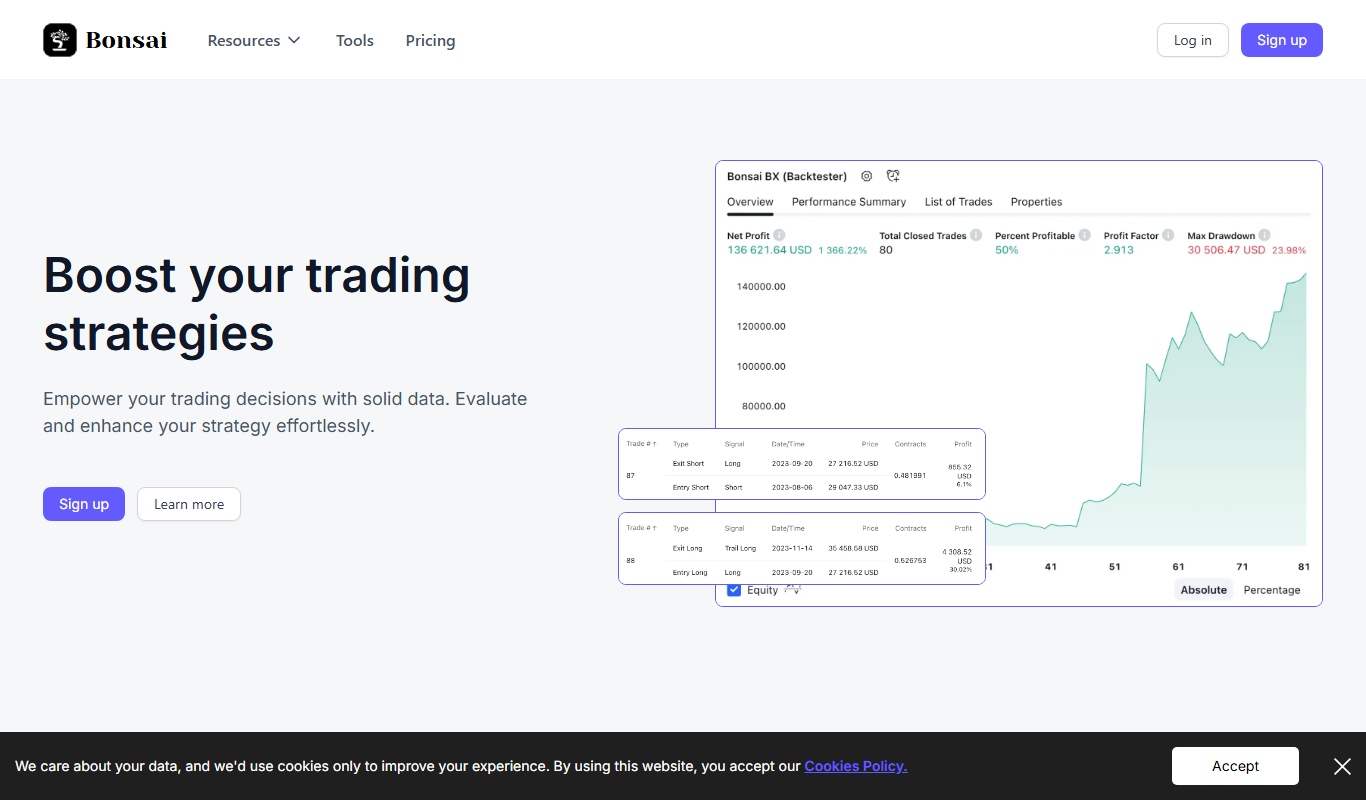
Bonsai offers premium indicators, an oscillator and a backtester for TradingView charts, sold as Basic and Pro subscriptions.
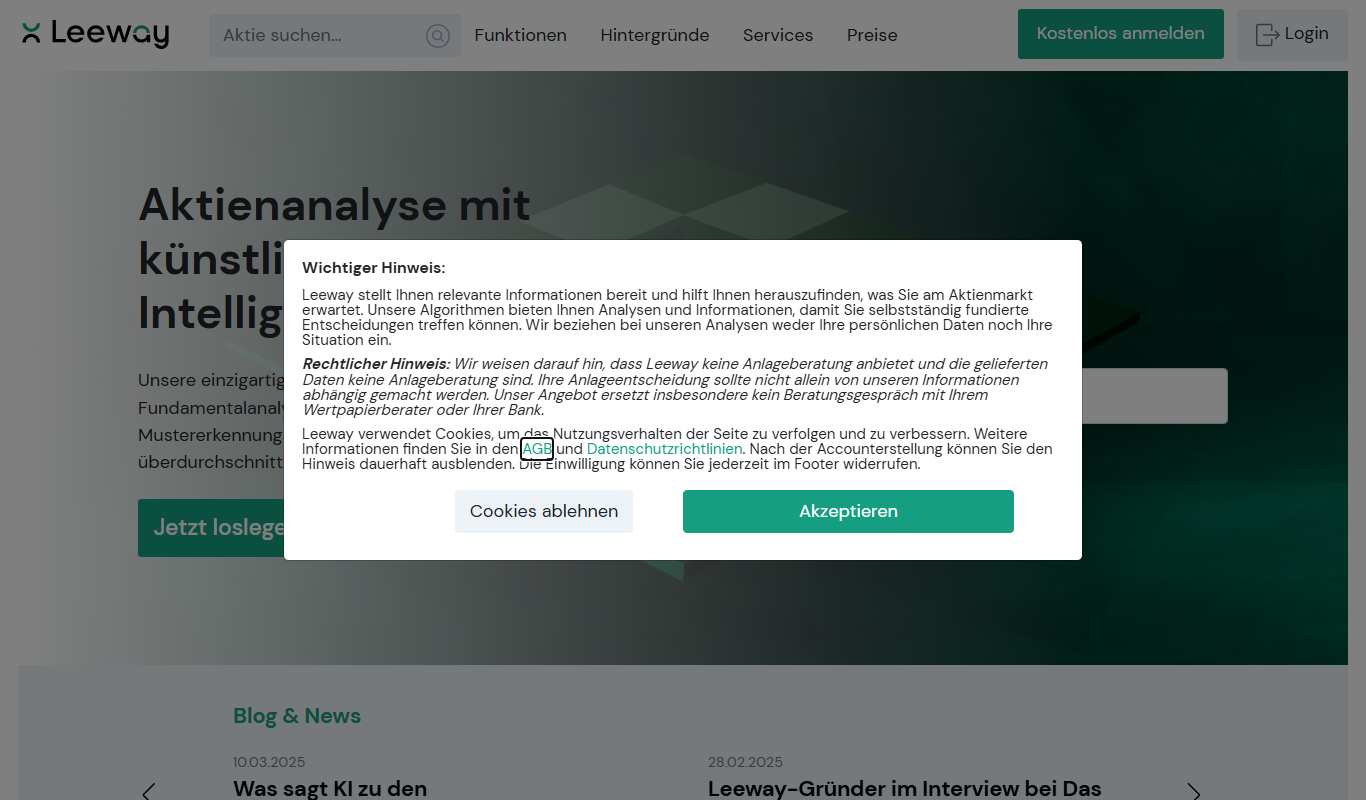
PWP Leeway
Leeway is an AI stock analysis service that scores 25,000+ stocks on business quality, fundamentals and timing, with screening, peer comparison and a data API.
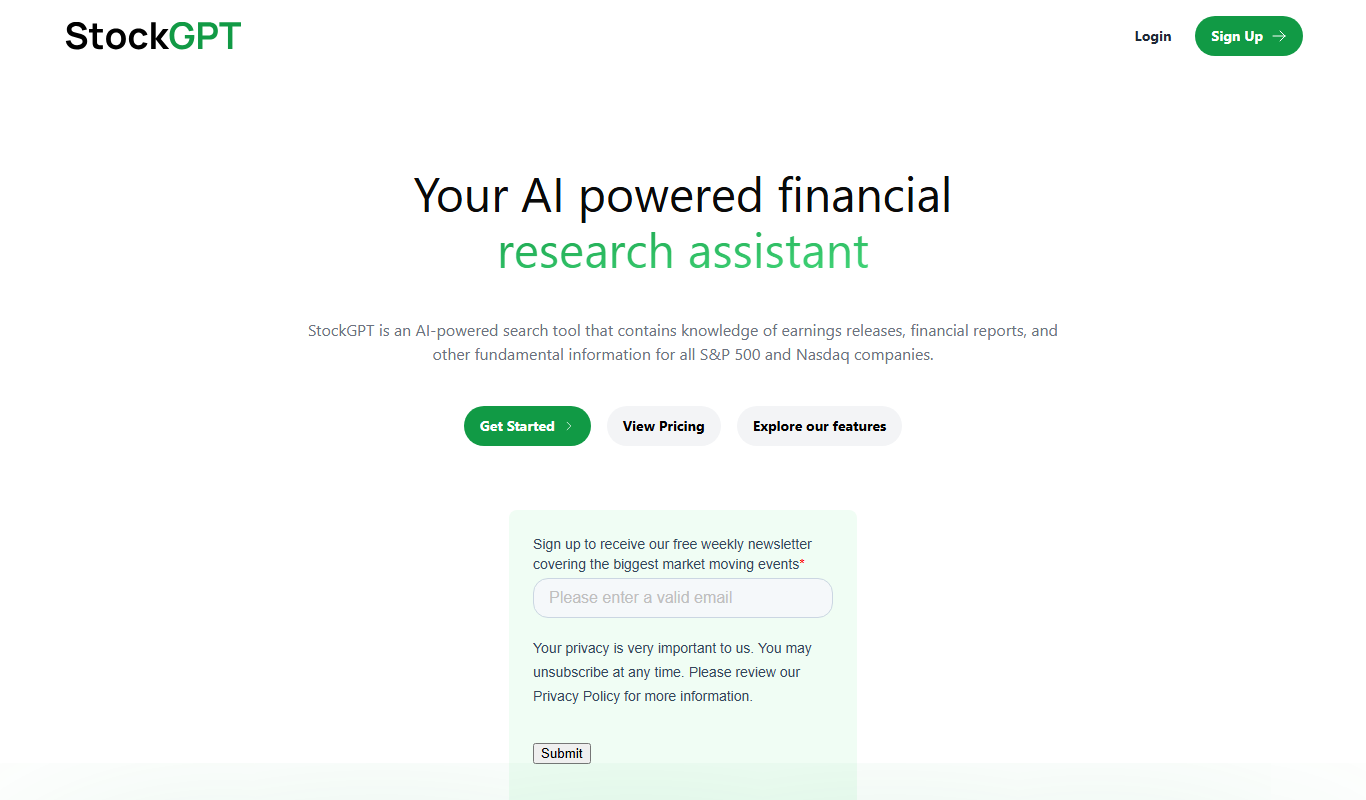
StockGPT
StockGPT is an AI-powered search tool over earnings releases, financial reports and other fundamental information for S&P 500 and Nasdaq companies.