What Is AI Scheduling?
AI Scheduling refers to the application of machine learning algorithms and intelligent systems to manage calendars, appointments, and workflows automatically. Instead of relying solely on manual input, AI scheduling tools analyze patterns, preferences, and constraints to suggest or set optimal meeting times, resource allocations, or task sequences. This technology helps reduce conflicts, save time, and improve productivity by handling complex scheduling scenarios that consider multiple variables simultaneously.
Why Is AI Scheduling Important?
AI Scheduling is vital in today’s fast-paced business environments where efficient time management directly impacts productivity and operational success. By automating routine scheduling tasks, organizations can minimize human error and free up valuable human resources for more strategic work. Additionally, AI-driven scheduling adapts dynamically to changes such as cancellations or priority shifts, ensuring that plans remain optimal and relevant.
- Enhances productivity by minimizing manual scheduling effort
- Reduces scheduling conflicts and errors
- Improves resource utilization and operational efficiency
Key Characteristics of AI Scheduling
- Automation: Automatically manages calendar events and resource assignments without constant human intervention.
- Adaptability: Responds to changes in real-time, adjusting schedules based on cancellations, delays, or new inputs.
- Optimization: Uses algorithms to find the most efficient allocation of time and resources considering constraints and preferences.
How AI Scheduling Works (Step-by-Step)
- Input data such as availability, priorities, and preferences are collected from users or systems.
- The AI algorithm analyzes this data to identify potential scheduling conflicts and optimal time slots.
- The system automatically proposes or sets appointments and updates schedules dynamically as new information arrives.
Real-World Examples of AI Scheduling
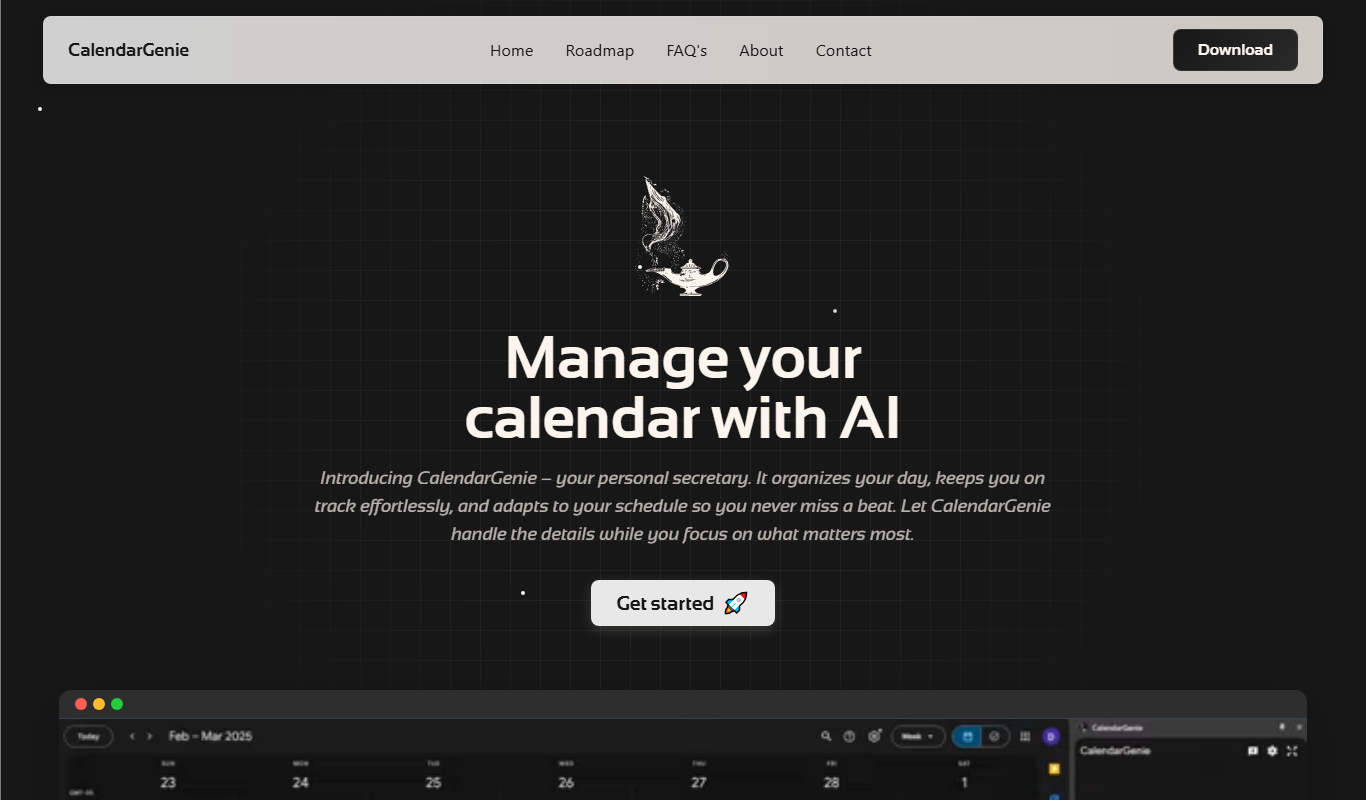
- Smart Meeting Planners: Tools like calendar assistants that automatically find the best meeting times based on participants’ availability.
- Workforce Management: AI systems that allocate shifts and tasks to employees considering skills, availability, and workload balance.
AI Scheduling in SEO, Marketing, or Business Context
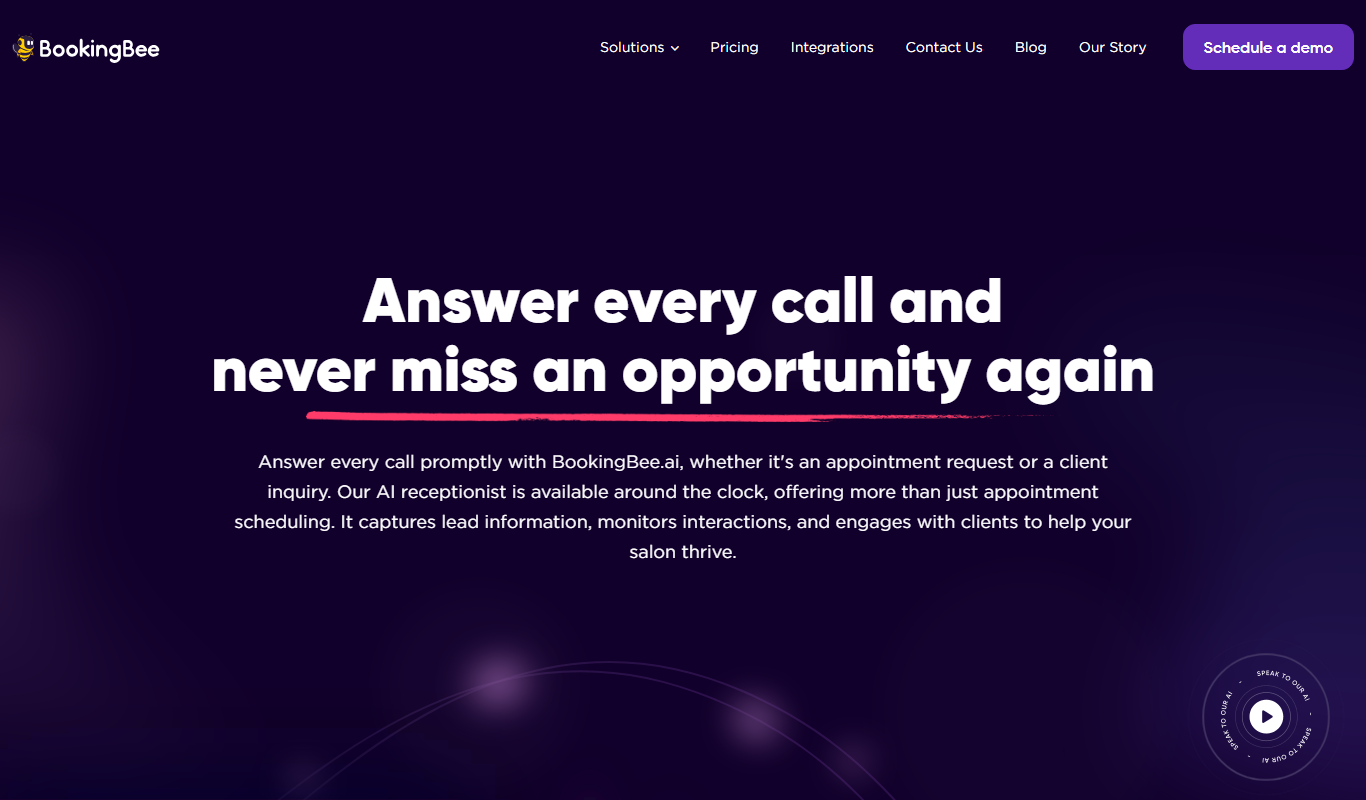
In SEO and marketing, AI Scheduling streamlines campaign planning, content publishing, and team coordination to meet deadlines efficiently. Businesses benefit by automating appointment bookings, client follow-ups, and resource management, leading to more consistent customer experiences and better time-to-market for products and services.
Common Mistakes or Misunderstandings About AI Scheduling
- Assuming AI Scheduling completely removes the need for human oversight – it enhances but does not replace human judgment.
- Believing AI scheduling tools are one-size-fits-all without customization for specific business needs.
Related Terms
- Automated Scheduling
- Resource Management
- Workflow Automation
FAQs About AI Scheduling
It automates routine scheduling tasks and optimizes time allocation based on data-driven insights, reducing conflicts and administrative overhead.
Yes, AI scheduling systems adapt dynamically to cancellations or new inputs to keep schedules updated and efficient.
Summary
AI Scheduling leverages artificial intelligence to transform how businesses and individuals manage their time and resources. By automating complex scheduling tasks and continuously optimizing plans, AI scheduling tools increase productivity, reduce errors, and enable more strategic use of human effort. This makes AI scheduling an essential technology for modern digital workflows and organizational success.