

PVsyst Solar Energy Software for Photovoltaic System Design and Simulation
PVsyst is a specialized desktop software for designing and simulating photovoltaic solar energy systems, offering detailed shading analysis, energy yield estimation, and financial evaluation.
- Best for
- Photovoltaic System Design
- Key capability
- Comprehensive PV System Modeling
Save PVsyst, follow its updates and vote on it — everything stays in your account.
Sign in or create a free accountWhat is PVsyst?
PVsyst is a comprehensive software tool designed for the study, sizing, simulation, and data analysis of complete photovoltaic systems. It supports engineers, researchers, and designers in optimizing solar energy projects by providing detailed modeling of system components, environmental conditions, and shading effects.
Key features of PVsyst
PVsyst offers detailed PV system design capabilities, including shading analysis, energy yield simulation, loss diagrams, and financial assessment tools. It supports multiple system configurations and provides extensive reporting features for project evaluation.
Comprehensive PV System Modeling
Model all components of a photovoltaic system including modules, inverters, batteries, and wiring.
Meteorological Data Integration
Access and import meteorological data for accurate site-specific simulations.
3D Shading Analysis
Visualize and quantify shading losses using advanced 3D modeling tools.
Energy Yield and Loss Diagrams
Detailed breakdown of energy production and system losses for performance optimization.
Financial Analysis Tools
Evaluate project economics including payback periods and profitability.
Pros and cons of PVsyst
Pros
- Highly detailed and accurate PV system simulations
- Comprehensive shading analysis with 3D modeling
- Extensive meteorological data support
- Robust financial and technical reporting
- Widely used and trusted in the solar industry
Cons
- Desktop-only application limits mobility
- Steep learning curve for beginners
- Pricing details require direct contact
Key use cases for PVsyst
Photovoltaic System Design
Design and optimize solar PV systems for residential, commercial, and utility-scale projects.
Energy Yield Simulation
Simulate the expected energy production of PV systems under various environmental and technical conditions.
Shading Analysis
Analyze shading impacts on solar panels using 3D modeling to improve system performance.
Financial and Technical Feasibility
Evaluate the economic viability and technical feasibility of solar projects with detailed reports.
Research and Education
Used by researchers and educators for studying photovoltaic system behavior and performance.
How PVsyst works
- 1
Project Setup
Define the location, meteorological data, and system parameters for your photovoltaic project.
- 2
System Design
Configure the PV array, inverters, and other components using the software’s extensive database.
- 3
Simulation
Run simulations to estimate energy production, losses, and system performance over time.
- 4
Shading Analysis
Use 3D modeling tools to analyze shading effects and optimize panel placement.
- 5
Reporting
Generate detailed technical and financial reports to support project decision-making.
Who is using PVsyst
PVsyst pricing
Trial
Free
Limited-time access to PVsyst features for evaluation purposes.
PRO
CHF 700/year
Annual license with prices published in the official shop.
Plans and prices are as published by the vendor and can change. Check the official site before you buy. Open the pricing page (opens in a new tab)
Frequently asked questions about PVsyst
PVsyst is a desktop application available for Windows operating systems.
Yes, PVsyst includes advanced 3D shading analysis tools to model shading impacts on PV systems.
PVsyst offers a free trial version with limited features for evaluation.
PVsyst is suitable for residential, commercial, utility-scale PV projects, research, and education.
The best alternative depends on your workflow, features you need, and budget. Compare plans, integrations, and output quality to choose the closest fit.
The best alternative depends on your workflow, features you need, and budget. Compare plans, integrations, and output quality to choose the closest fit.
Data handling and security practices vary by provider. Review the official privacy policy to understand how your data is stored and used.
The best alternative depends on your workflow, features you need, and budget. Compare plans, integrations, and output quality to choose the closest fit.
Conclusion
A project is defined by its location, meteorological data and system parameters, after which the PV array and inverters are configured from an extensive component database. Simulations then estimate energy production, losses and performance over time, and 3D modeling tools quantify shading losses. Reports cover technical and financial results, including payback periods and profitability.
Solar energy engineers, renewable energy consultants and research institutions use it, and researchers and educators apply it to study PV system behavior. The PRO license is sold as an annual license at CHF 700 per year, with prices published in the official shop.
Sources
Sign in to review this tool.
Sign In to ReviewNo reviews yet
Be the first to share how this tool worked for you.
Ask about pricing, limits, or how it compares — or answer someone else.
Sign In to AskNo questions yet
Have a question about using or paying for this tool? Be the first to ask.
Featured on TiorAI



Alternative Tools
Explore similar AI tools that might fit your needs

HelioScope
HelioScope is a cloud-based solar design software that enables users to create detailed photovoltaic system layouts, perform shading and energy production simulations, and generate professional reports to optimize solar project performance.
More AI Analytics Assistant tools
Other tools in the same category, for when this one is not quite the fit.

Inflact
Inflact is an Instagram research and influencer discovery platform to search creators, analyze audience and engagement and track competitor performance.

Veraset
Veraset provides privacy-compliant, high-quality location data via API and web platform to support marketing, retail, and urban planning analytics.

Zebra Technologies
Zebra Technologies offers enterprise-grade hardware and software solutions for barcode scanning, RFID, mobile computing, and real-time asset tracking to optimize industrial and supply chain operations.
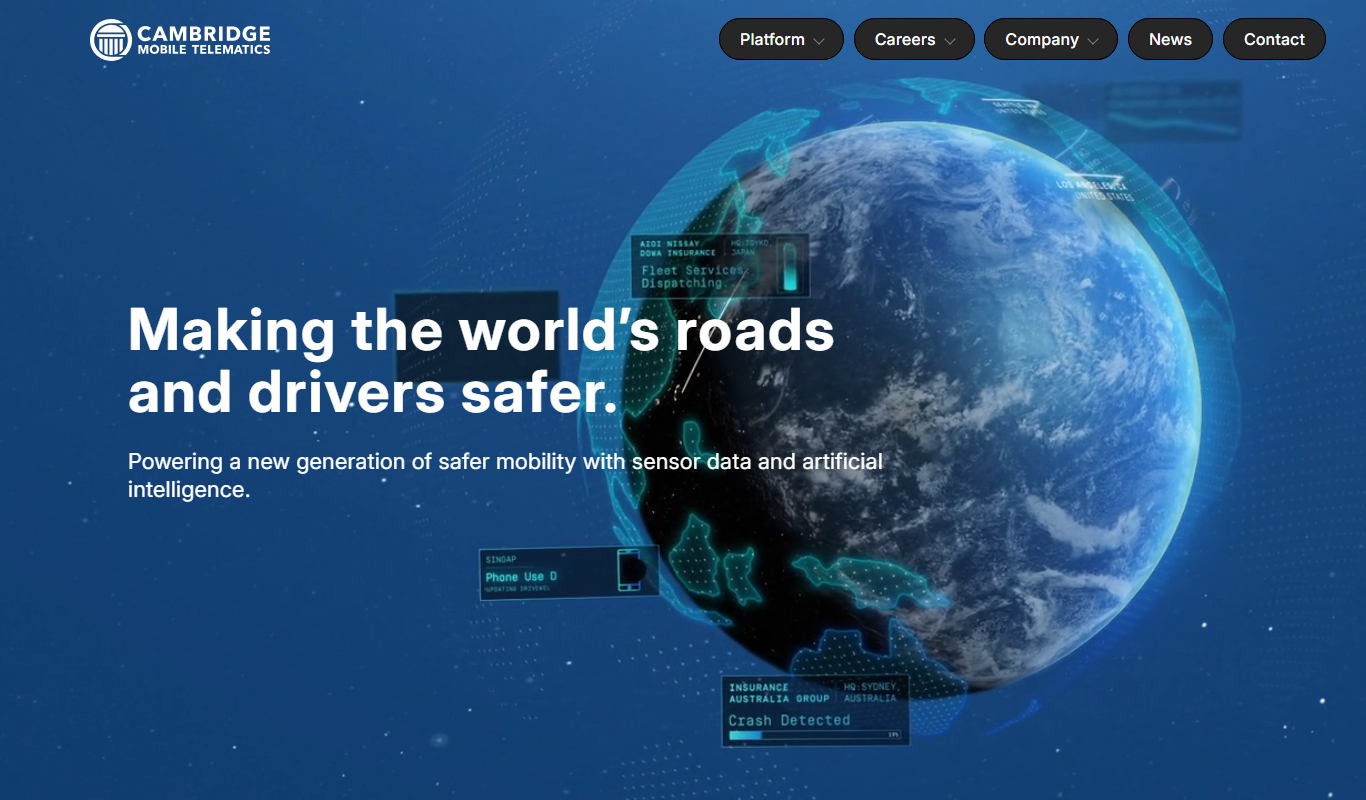
Cambridge Mobile Telematics
Cambridge Mobile Telematics provides a mobile telematics platform that uses smartphone sensors and AI to analyze driver behavior, enabling insurers and fleet managers to assess risk, improve safety, and reduce accidents.
Liquidnet
Liquidnet is a global institutional trading platform that connects asset managers and brokers to execute large block equity trades anonymously via a dark pool, providing liquidity and advanced analytics to optimize trade execution.
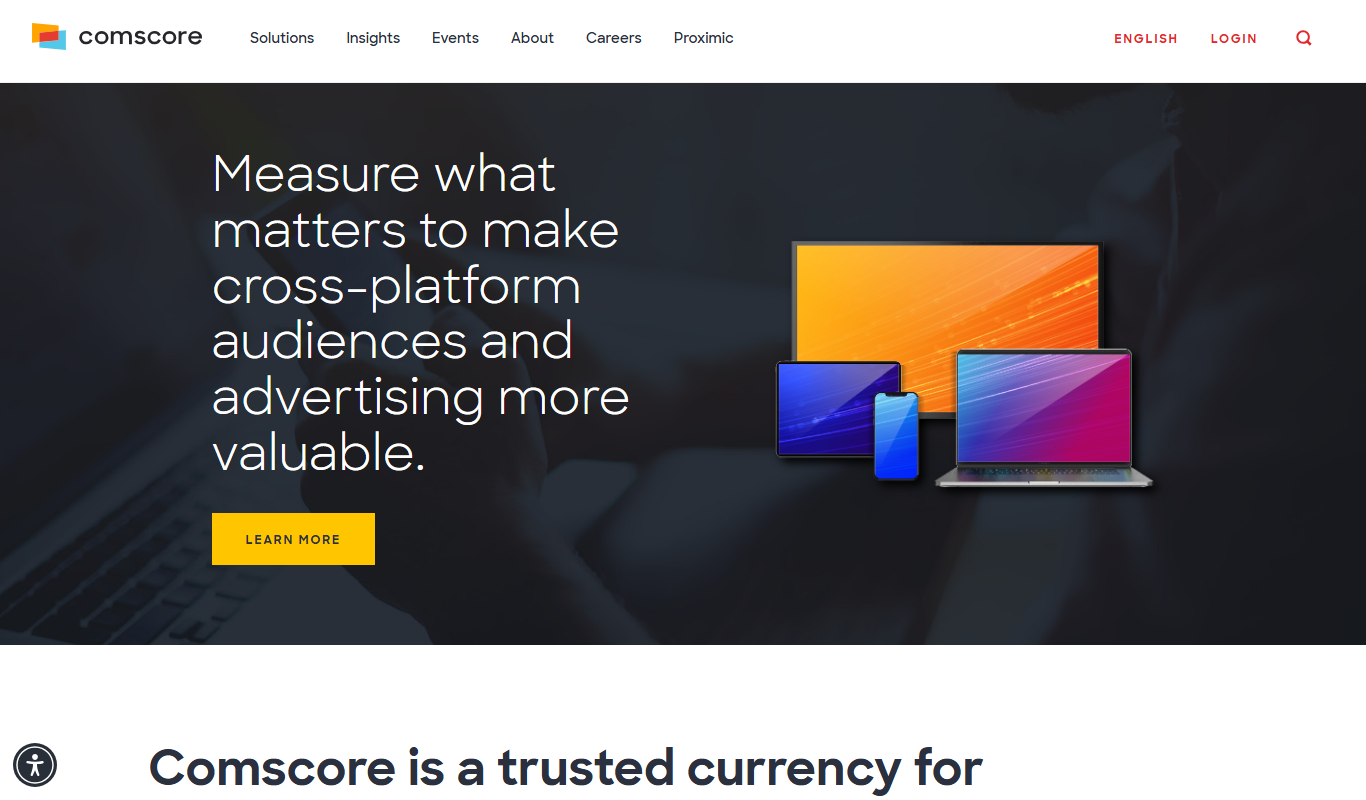
Comscore Video Metrix
Comscore Video Metrix is a cross-platform video audience measurement tool that provides detailed analytics on video consumption across desktop, mobile, and connected TV devices to help media professionals optimize advertising and content strategies.

Yearn Finance
Yearn Finance is a decentralized finance platform that automates yield farming strategies using smart contracts to maximize returns on Ethereum-based crypto assets.
Stock Rover
Stock Rover is an investment research platform that provides advanced stock screening, portfolio analytics, and comprehensive financial data to help investors analyze and manage their investments effectively.