What Is Active Recall?
Active Recall is a method of studying or learning where you actively try to retrieve information from your memory instead of passively rereading or reviewing notes. It’s like testing yourself repeatedly to reinforce what you’ve learned, which helps strengthen neural connections and improves long-term memory retention. This approach contrasts with passive learning methods and is widely supported by cognitive science for its effectiveness.
Why Is Active Recall Important?
Using Active Recall improves how well information is stored and retrieved, making it essential for mastering new skills or knowledge. It’s especially useful in education, professional training, and anywhere deep understanding and memory are crucial. By actively engaging with material, learners can identify gaps in their knowledge and reduce the chances of forgetting important details.
- Enhances long-term memory retention by encouraging retrieval practice.
- Increases focus and engagement during study sessions.
- Helps identify weak areas for targeted improvement.
Key Characteristics of Active Recall
- Active Engagement: Learners must consciously retrieve information rather than passively reviewing it.
- Testing Effect: Frequent self-testing or quizzing is a core component to strengthen memory.
- Feedback Loop: Immediate review of correct answers helps reinforce learning and correct mistakes.
How Active Recall Works (Step-by-Step)
- Read or study the material initially to form a basic understanding.
- Close the book or notes and try to recall key points or answers without looking.
- Check your answers against the source and review any errors or gaps.
Real-World Examples of Active Recall
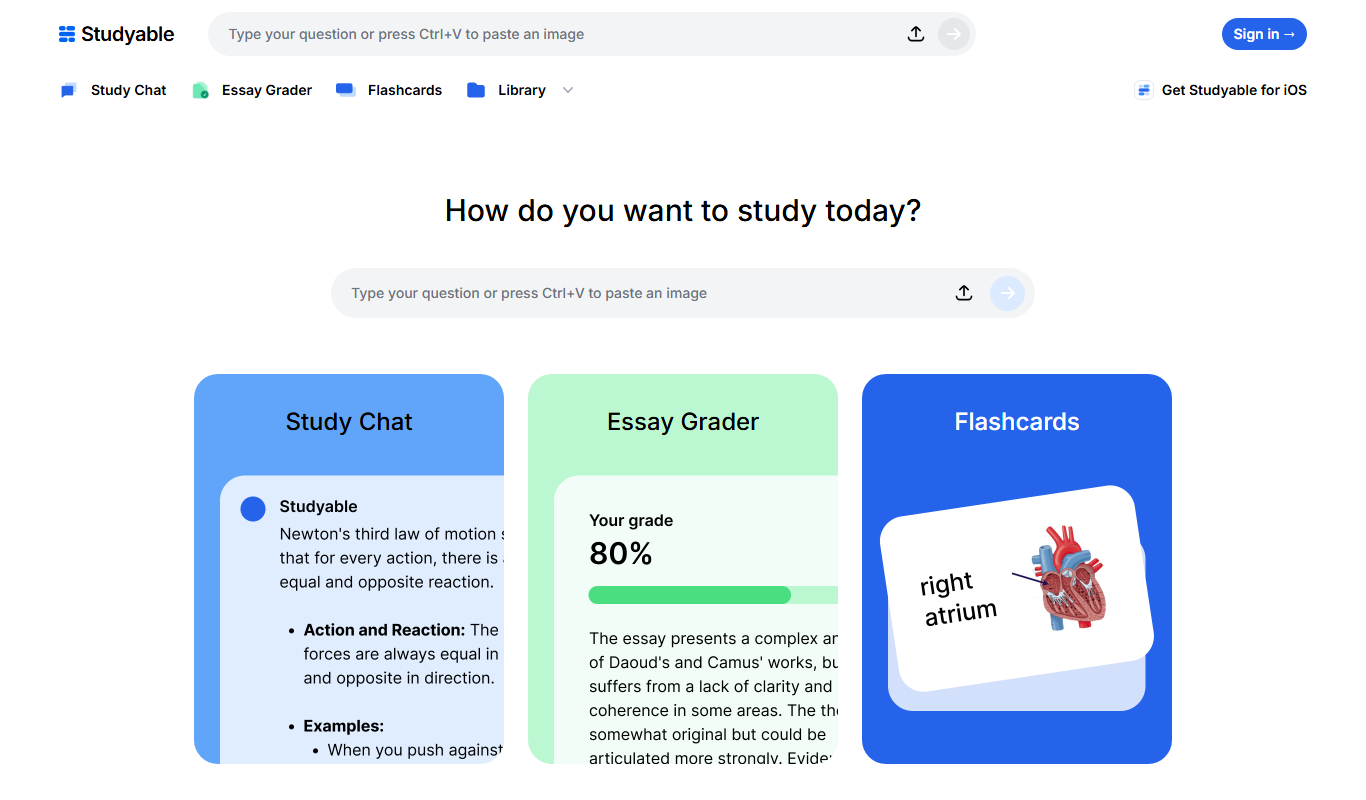
- Flashcards: Using flashcards to quiz yourself on terms, definitions, or concepts actively triggers recall.
- Practice Quizzes: Taking practice tests before exams helps solidify knowledge and highlight weak topics.
Active Recall in SEO, Marketing, or Business Context
In digital marketing and business training, Active Recall can accelerate learning of complex concepts like SEO strategies, analytics interpretation, or content marketing techniques. Teams who use active recall methods retain training material better, which leads to faster implementation and improved results. For content creators, regularly testing knowledge of algorithms or keyword research fosters deeper expertise and adaptability.
Common Mistakes or Misunderstandings About Active Recall
- Confusing passive review with active recall—simply rereading is not effective recall practice.
- Neglecting to review mistakes or difficult topics after recall attempts, limiting learning improvement.
Related Terms
- Spaced Repetition
- Memory Retention
- Retrieval Practice
FAQs About Active Recall
Active recall requires actively retrieving information from memory, while passive studying involves rereading or reviewing without testing yourself.
Regularly, ideally in multiple spaced sessions, to maximize memory retention and identify knowledge gaps.
Summary
Active Recall is a powerful learning strategy that improves memory by encouraging active engagement and self-testing. It is especially valuable for students, marketers, and professionals aiming to retain complex information and apply it effectively. By integrating active recall into study routines, learners can boost retention, focus, and overall performance.