

Open Apps - Open source alternatives to SaaS with independent scores
Open Apps is a curated directory of open source alternatives to expensive SaaS tools, with three independent scores for every app and a newsletter.
- Best for
- Replacing SaaS tools
- Key capability
- Curated open source directory
Save Open Apps, follow its updates and vote on it — everything stays in your account.
Sign in or create a free account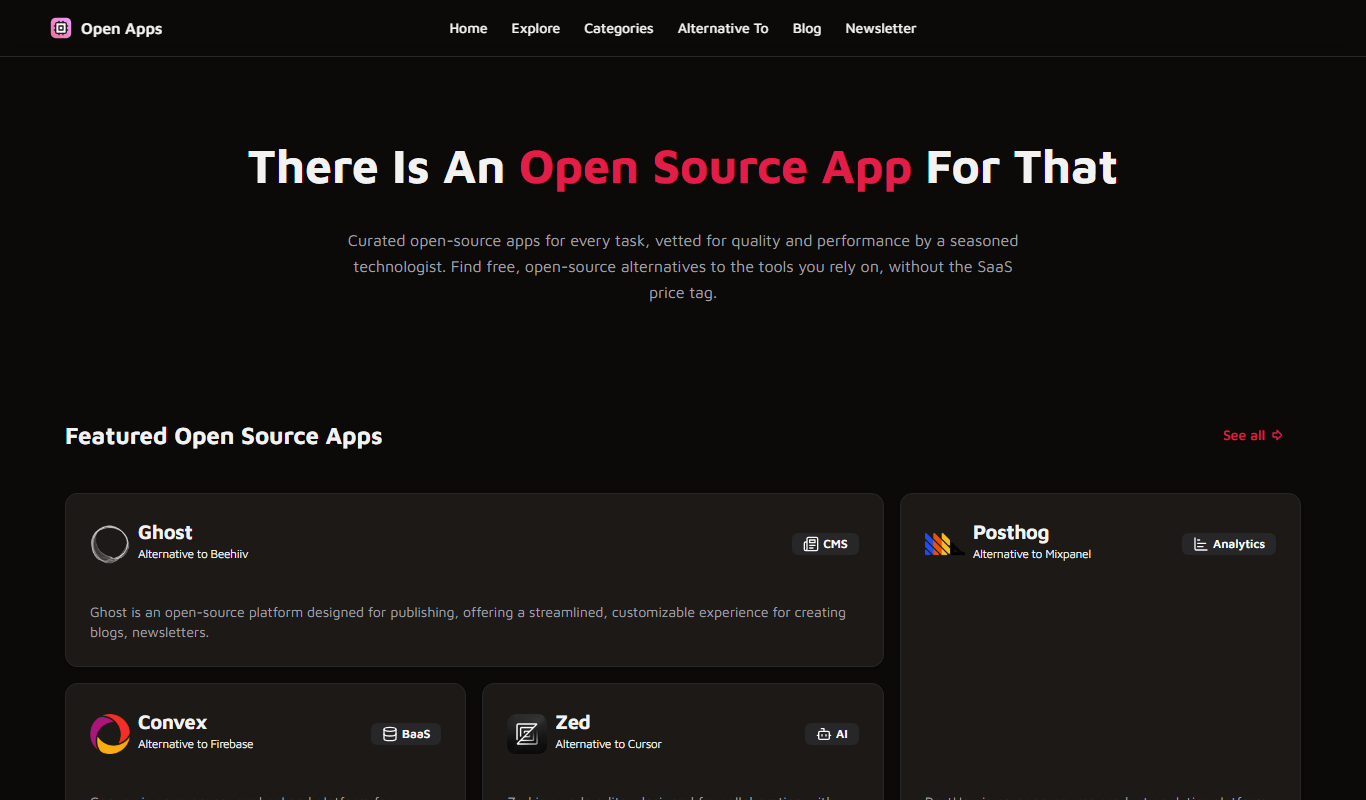
What is Open Apps?
Open Apps is a curated directory of open source alternatives to SaaS tools. Every app and package gets three independent scores (repo health, technical quality and dependency risk) instead of a vendor’s pitch or a star count, and the site adds a newsletter, research reports and a Stack Audit service.
Key features of Open Apps
Open Apps catalogs open source apps and packages, maps them as replacements for paid SaaS tools and scores each one on repo health from GitHub data, technical quality and dependency health, alongside a newsletter, research reports and a Stack Audit service.
Curated open source directory
A curated collection of open source applications, including self-hostable alternatives to expensive SaaS tools.
Repo health score
Deterministic, pulled straight from GitHub: activity, maintenance, community, maturity and momentum.
Technical score
A separate read of architecture, code quality, innovation and how hard the app is to learn.
Dependency health
What the app depends on is scored too: staleness, footprint and known vulnerabilities via OSV.dev.
SaaS alternatives finder
Find open source replacements for paid SaaS tools.
Pros and cons of Open Apps
Pros
- Three independent scores instead of vendor ratings
- Scoring is deterministic, disclosed and repeatable
- Covers both apps and packages
- Newsletter with migration guides and cost-saving tips
- Independently run directory
Cons
- The Stack Audit service shows no published price
- Pricing may be restrictive for larger teams
- Currently supports only English language
Key use cases for Open Apps
Replacing SaaS tools
Discover open source replacements for paid SaaS tools.
Vetting open source projects
Check repo health, technical quality and dependency risk before installing an app.
Self-hosting
Find free, self-hostable alternatives to expensive SaaS tools.
Cutting SaaS costs
Get a prioritized roadmap of what to replace and what it will cost.
How Open Apps works
- 1
Find the SaaS tool to replace
Look up a paid SaaS tool to see its open source replacements.
- 2
Compare the scores
Check each app’s repo health, technical quality and dependency risk before you install anything.
- 3
Subscribe to the newsletter
Get migration guides and cost-saving tips on Substack.
- 4
Request a Stack Audit
Have your stack audited for a prioritized roadmap of what to replace.
Who is using Open Apps
Open Apps pricing
Free
$0/month
Basic access with limited app creations and features.
Pro
$29/month
Full feature access with unlimited apps, advanced automations, and priority support.
Plans and prices are as published by the vendor and can change. Check the official site before you buy. Open the pricing page (opens in a new tab)
Frequently asked questions about Open Apps
A directory of curated open source apps that can replace expensive SaaS tools, vetted for quality and performance.
Every alternative gets three independent scores: repo health, technical quality and dependency risk.
It is deterministic and pulled straight from GitHub: activity, maintenance, community, maturity and momentum.
Yes. It shares opinionated takes, migration guides, cost-saving tips and insights from the open source ecosystem, through Substack.
A service that audits your software stack and hands you a prioritized roadmap of what to replace and what it will cost.
Yes. Dependency health covers staleness, footprint and known vulnerabilities via OSV.dev.
Open Apps is independently run and accepts coffee donations to keep it going.
Integration support depends on the tool and its available connectors or API. Check the official documentation or integrations page to confirm what is supported.
Conclusion
Paid SaaS tools are the starting point: a user looks one up and sees curated open source replacements, many of them self-hostable. What sets the catalog apart is its scoring, since every app and package gets three independent scores rather than a vendor’s pitch or a star count. Repo health is pulled straight from GitHub, a technical score reads architecture and code quality, and dependency health flags staleness and known vulnerabilities via OSV.dev.
A newsletter on Substack adds migration guides and cost-saving tips. For teams that want help cutting their SaaS bill, the Stack Audit service reviews a stack and hands back a prioritized roadmap of what to replace and what it will cost, though no price is published for it. The directory is independently run and asks visitors for coffee donations to keep it going.
Sources
Sign in to review this tool.
Sign In to ReviewNo reviews yet
Be the first to share how this tool worked for you.
Ask about pricing, limits, or how it compares — or answer someone else.
Sign In to AskNo questions yet
Have a question about using or paying for this tool? Be the first to ask.
Featured on TiorAI



Alternative Tools
Explore similar AI tools that might fit your needs

Bubble
Bubble is a no-code AI app builder for creating web and mobile apps visually, switching between AI prompting and visual editing for design, database, logic and privacy rules.

Adalo
Adalo is a no-code platform that lets you create mobile and web applications visually without programming, supporting native app publishing and database integration.

Thunkable
Thunkable is a no-code platform with AI-powered app generation for building and publishing native iOS and Android apps, refined with a drag-and-drop interface and logic blocks.
More Coding & Development tools
Other tools in the same category, for when this one is not quite the fit.

Toolsaday
Toolsaday is an AI content platform with Text Genie, a paraphrasing tool, email and story generators, Novel Studio, text to speech and an image generator.

QuickQR Art
QuickQR Art is a QR Code AI Art Generator for creating, customizing and tracking artistic QR codes, with dynamic QR codes, short links and an API.

Freed AI Medical Scribe
Freed AI Medical Scribe is an AI-driven tool that automates medical note-taking by transcribing and structuring physician-patient conversations, integrating seamlessly with EHR systems to improve clinical workflow.

ApplicantAI
ApplicantAI is an AI recruitment tool that automates resume screening and candidate matching to streamline hiring processes and improve candidate selection accuracy.
CrayEye
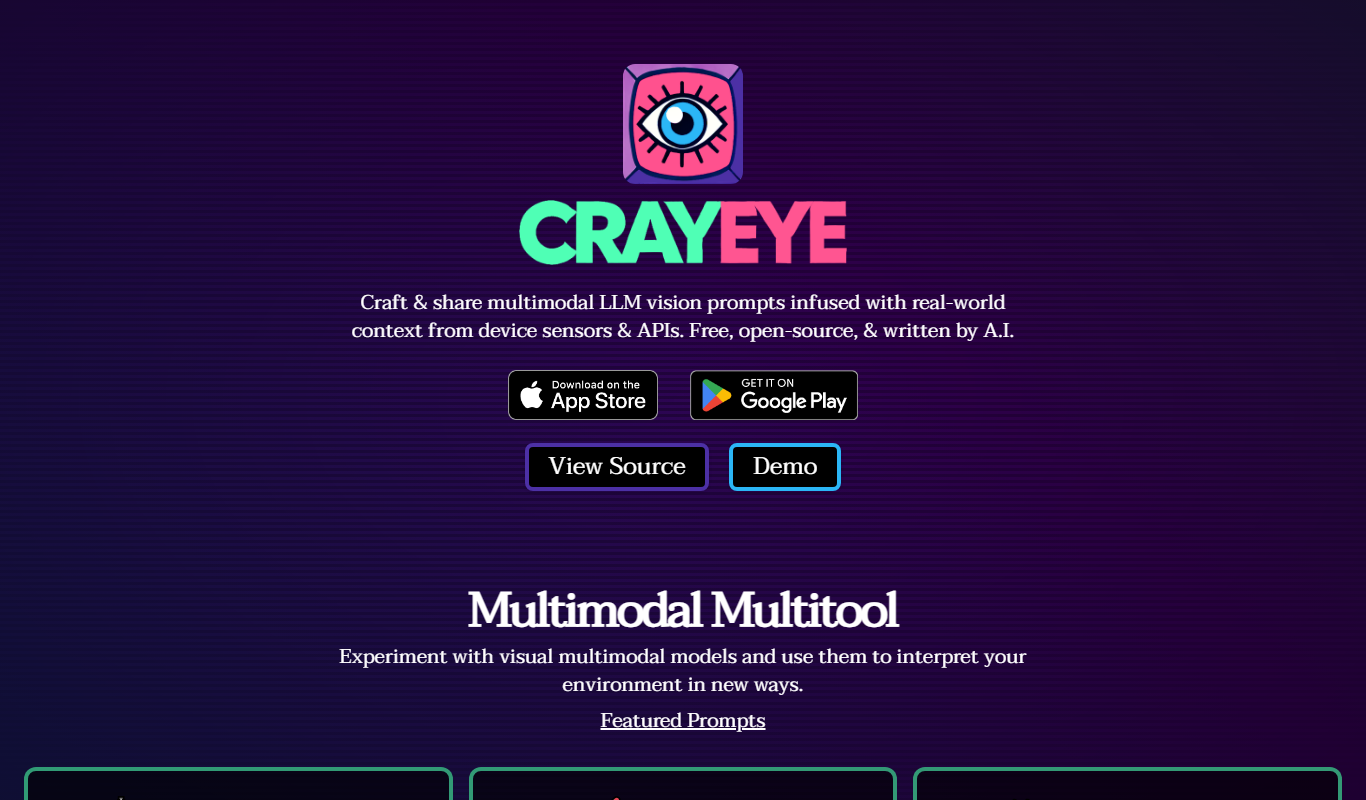
CrayEye is a free, open-source mobile app for crafting and sharing multimodal LLM vision prompts that use your camera plus sensor data such as location and weather.
Nightwatch
Nightwatch is a Node.js powered end-to-end testing framework for writing efficient end-to-end tests and running them against W3C WebDriver.
Plandek Intelligent Analytics
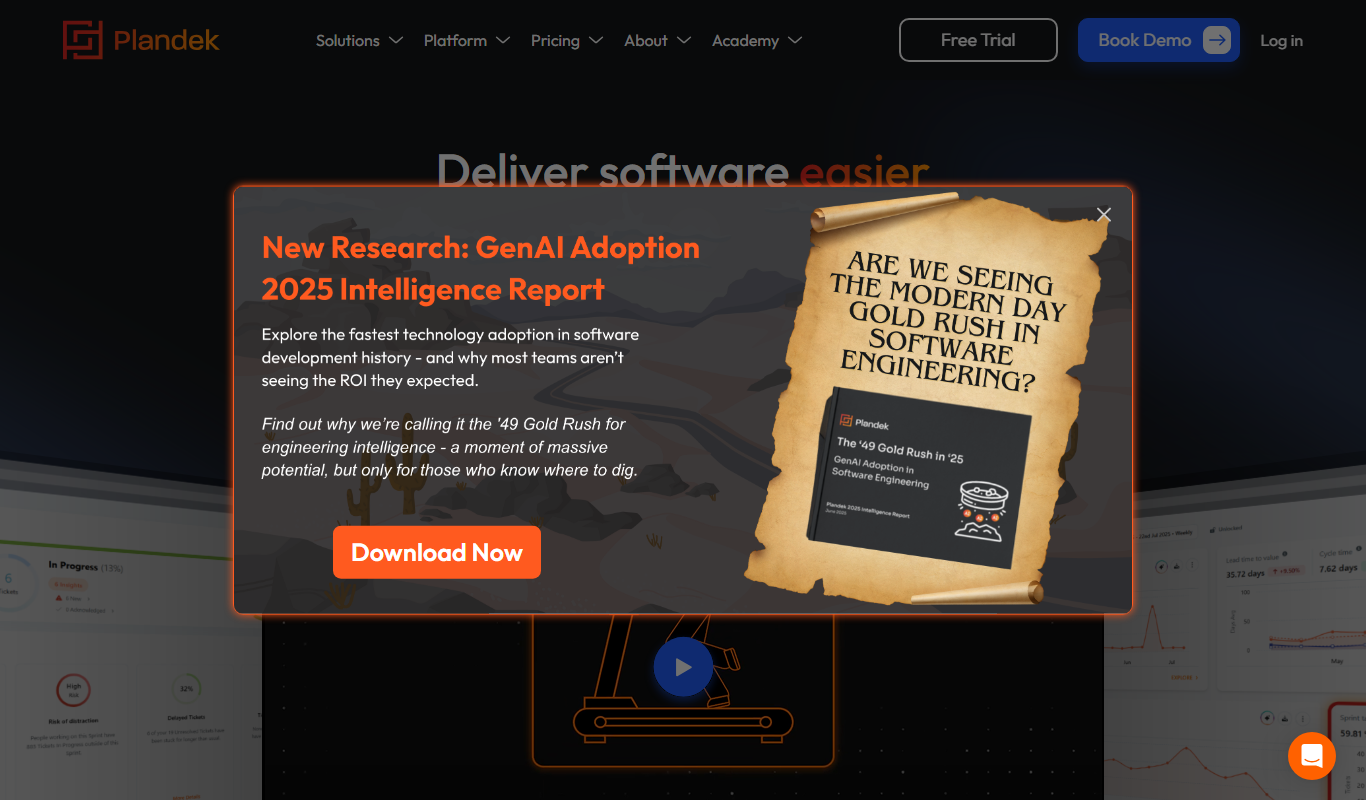
Plandek Intelligent Analytics is a software platform that provides real-time agile delivery metrics, predictive analytics, and comprehensive dashboards by integrating with development tools like Jira and Git to help teams optimize software delivery and DevOps processes.
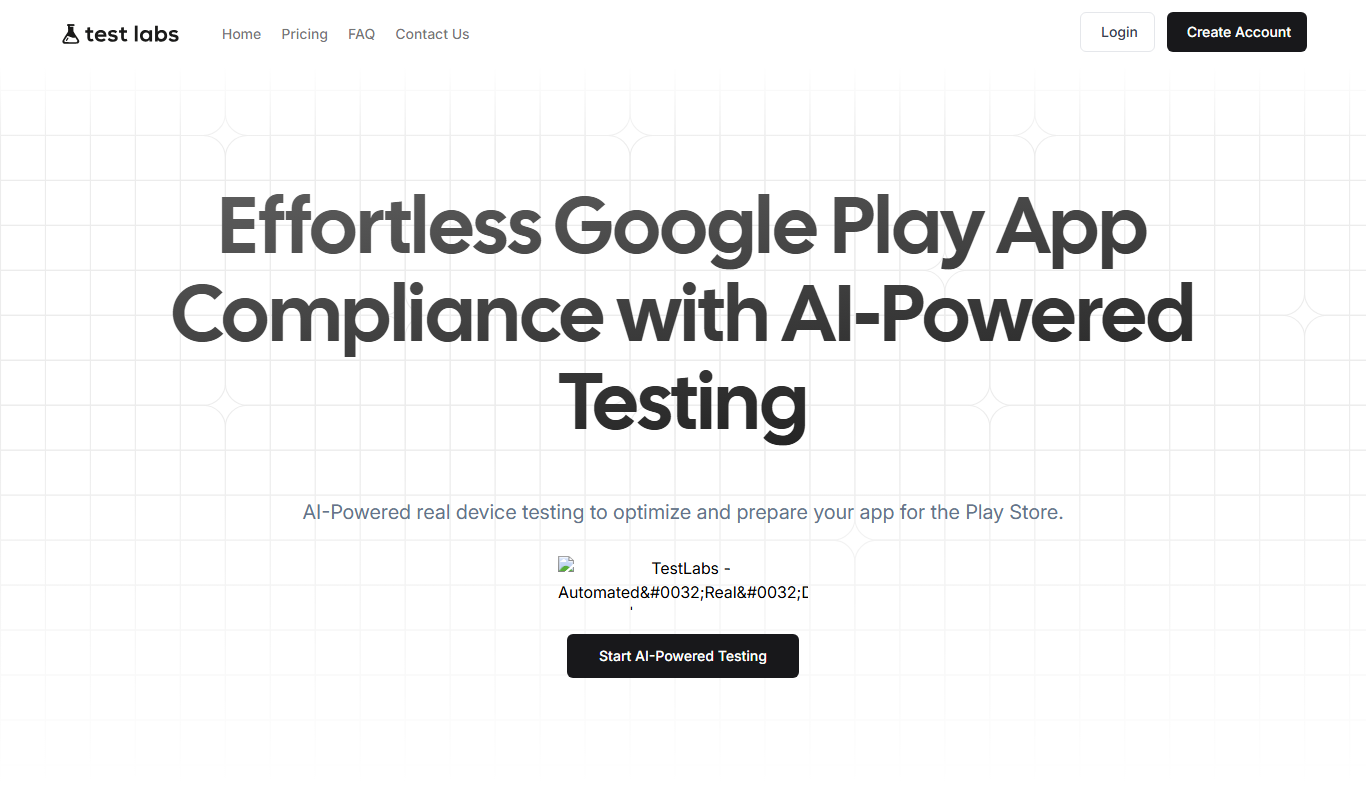
TestLabs
TestLabs tests your app on 20 real devices for 14 days to meet the Google Play testing policy, with daily reports, device logs and screenshots.