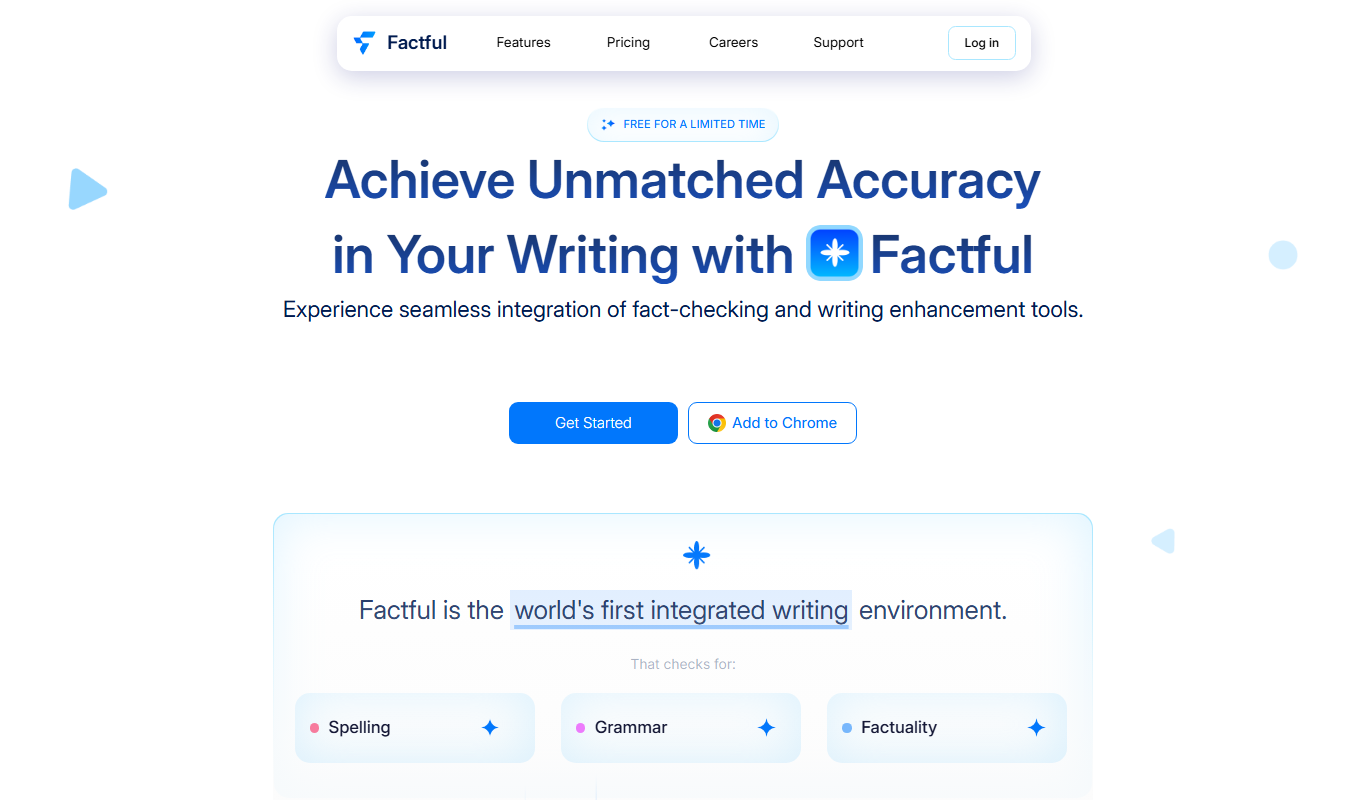
What Is Fact-Checking?
Fact-checking is a methodical process used to verify the accuracy of information, often involving the examination of data, statements, or claims to determine their truthfulness. This practice is crucial in journalism, academia, and media to prevent the spread of misinformation. Fact-checkers scrutinize sources, cross-reference data, and utilize expert opinions to confirm or refute information before it’s published or broadcasted. In essence, fact-checking serves as a quality control mechanism, ensuring that information shared with the public is reliable and credible.
Why Is Fact-Checking Important?
Fact-checking is vital because it helps maintain the integrity of information, supports informed decision-making, and combats misinformation.
- Ensures the credibility of published content.
- Protects audiences from misinformation and false narratives.
- Builds trust between information providers and consumers.
Key Characteristics of Fact-Checking
- Accuracy: Fact-checking is centered around ensuring that all information is correct and verifiable.
- Neutrality: Fact-checkers approach their work without bias, focusing solely on the evidence.
- Thoroughness: The process involves comprehensive research and multiple sources to confirm facts.
How Fact-Checking Works (Step-by-Step)
- Identify the claim or information that requires verification.
- Research and gather evidence from credible sources.
- Analyze the evidence to confirm or refute the claim.
Real-World Examples of Fact-Checking
- Political Debates: During elections, fact-checkers verify statements made by candidates to ensure they are truthful.
- News Articles: Journalists often fact-check their sources and information before publishing to maintain credibility.
Fact-Checking in SEO, Marketing, or Business Context
In the digital marketing and SEO landscape, fact-checking enhances content credibility and authority, which can improve search engine rankings. Accurate information builds trust with readers, leading to higher engagement and conversion rates. Brands that prioritize fact-checking are more likely to cultivate a loyal audience by providing reliable and trustworthy content.
Common Mistakes or Misunderstandings About Fact-Checking
- Assuming fact-checking is only for journalists; it’s essential in all fields that provide information.
- Believing that fact-checking is an opinion; it is a rigorous process based on evidence.
Related Terms
- Verification
- Editorial Review
- Source Evaluation
FAQs About Fact-Checking
Common tools include search engines, databases, and specialized fact-checking websites such as Snopes and FactCheck.org.
Always cross-reference information with multiple reliable sources and look for primary data or official statements.
Summary
Fact-checking is an essential process that ensures the accuracy and credibility of information in various fields. By verifying facts, individuals and organizations can prevent the spread of misinformation, build trust, and support informed decision-making. Whether in journalism, digital marketing, or everyday information consumption, fact-checking plays a critical role in maintaining the integrity of shared knowledge.