

Ataccama Data Management Platform for AI-Driven Data Governance and Quality
Ataccama is an AI-driven data management platform that integrates data governance, master data management, and data quality automation to help enterprises manage and improve their data assets efficiently.
- Best for
- Data Governance
- Key capability
- AI-Powered Data Matching
Save Ataccama, follow its updates and vote on it — everything stays in your account.
Sign in or create a free accountWhat is Ataccama?
Ataccama is an AI-powered data management platform designed to help organizations govern, manage, and improve the quality of their data. It integrates data governance, master data management, data quality, and data cataloging into a unified solution that leverages AI and automation to streamline data operations and ensure trusted data for business use.
Key features of Ataccama
Ataccama offers features such as automated data profiling, AI-driven data matching and cleansing, metadata management, data lineage visualization, and workflow automation to support enterprise data governance and quality initiatives.
AI-Powered Data Matching
Utilizes machine learning algorithms to accurately match and merge duplicate records.
Automated Data Profiling
Continuously analyzes data sets to identify anomalies and quality issues.
Metadata Management and Data Catalog
Provides a centralized repository for metadata with data lineage and impact analysis.
Workflow Automation
Enables automation of data governance and quality workflows to reduce manual effort.
Scalable Architecture
Designed to handle large volumes of data across complex enterprise environments.
Pros and cons of Ataccama
Pros
- Comprehensive all-in-one data management platform
- Strong AI-driven automation features
- Supports complex and large-scale data environments
- Robust metadata and data lineage capabilities
Cons
- Pricing is not transparent and requires direct consultation
- Steep learning curve for new users without data management experience
Key use cases for Ataccama
Data Governance
Implement comprehensive data governance policies to ensure data compliance, security, and quality across the organization.
Master Data Management
Create a unified, accurate, and consistent master data repository to improve operational efficiency and decision-making.
Data Quality Management
Automate data profiling, cleansing, and monitoring to maintain high-quality data for analytics and business processes.
Data Cataloging
Organize and classify enterprise data assets with metadata management and data lineage tracking for better data discovery.
AI-Powered Data Automation
Leverage AI and machine learning to automate data integration, matching, and enrichment tasks.
How Ataccama works
- 1
Connect Data Sources
Integrate various data sources including databases, cloud platforms, and applications into Ataccama.
- 2
Profile and Catalog Data
Automatically profile data to assess quality and create a comprehensive data catalog with metadata.
- 3
Apply Data Governance Policies
Define and enforce governance rules, data standards, and compliance requirements.
- 4
Automate Data Quality Processes
Use AI to detect, cleanse, and monitor data quality issues continuously.
- 5
Manage Master Data
Consolidate and maintain a single source of truth for critical business data entities.
Who is using Ataccama
Ataccama pricing
Custom Pricing
Contact for pricing
Tailored pricing based on organizational needs and deployment scale.
Plans and prices are as published by the vendor and can change. Check the official site before you buy. Open the pricing page (opens in a new tab)
Frequently asked questions about Ataccama
Ataccama supports a wide range of data sources including relational databases, cloud storage, big data platforms, and enterprise applications.
Yes, Ataccama is designed to scale and support complex data environments typical of large enterprises.
Yes, it leverages AI and machine learning for data matching, cleansing, and automation of data quality processes.
Yes, it supports data governance frameworks that help organizations comply with regulations like GDPR and CCPA.
This tool is designed to help users accomplish its core tasks more efficiently. It is typically used by individuals or teams looking to improve productivity and workflow.
Data handling and security practices vary by provider. Review the official privacy policy to understand how your data is stored and used.
Data handling and security practices vary by provider. Review the official privacy policy to understand how your data is stored and used.
Conclusion
The workflow starts by connecting data sources such as databases, cloud platforms and applications, after which Ataccama profiles the data automatically to assess quality and create a data catalog with metadata. Governance rules, data standards and compliance requirements are then defined and enforced, while AI is used to detect, cleanse and monitor data quality issues continuously. Machine learning algorithms match and merge duplicate records, supporting the master data side: a single source of truth for critical business data entities.
Data sets are continuously analyzed to identify anomalies and quality issues, and workflow automation for governance and quality tasks is meant to reduce manual effort. Metadata is kept in a centralized repository with data lineage and impact analysis. Its governance frameworks help organizations comply with regulations like GDPR and CCPA. Its supported sources include relational databases, cloud storage, big data platforms and enterprise applications. The platform is designed to scale for complex data environments typical of large enterprises, with data governance teams, enterprise data architects and Chief Data Officers among its intended users.
Pricing is tailored to organizational needs and deployment scale, and it is not transparent, requiring direct consultation.
Sources
Sign in to review this tool.
Sign In to ReviewNo reviews yet
Be the first to share how this tool worked for you.
Ask about pricing, limits, or how it compares — or answer someone else.
Sign In to AskNo questions yet
Have a question about using or paying for this tool? Be the first to ask.
Featured on TiorAI



More AI Analytics Assistant tools
Other tools in the same category, for when this one is not quite the fit.
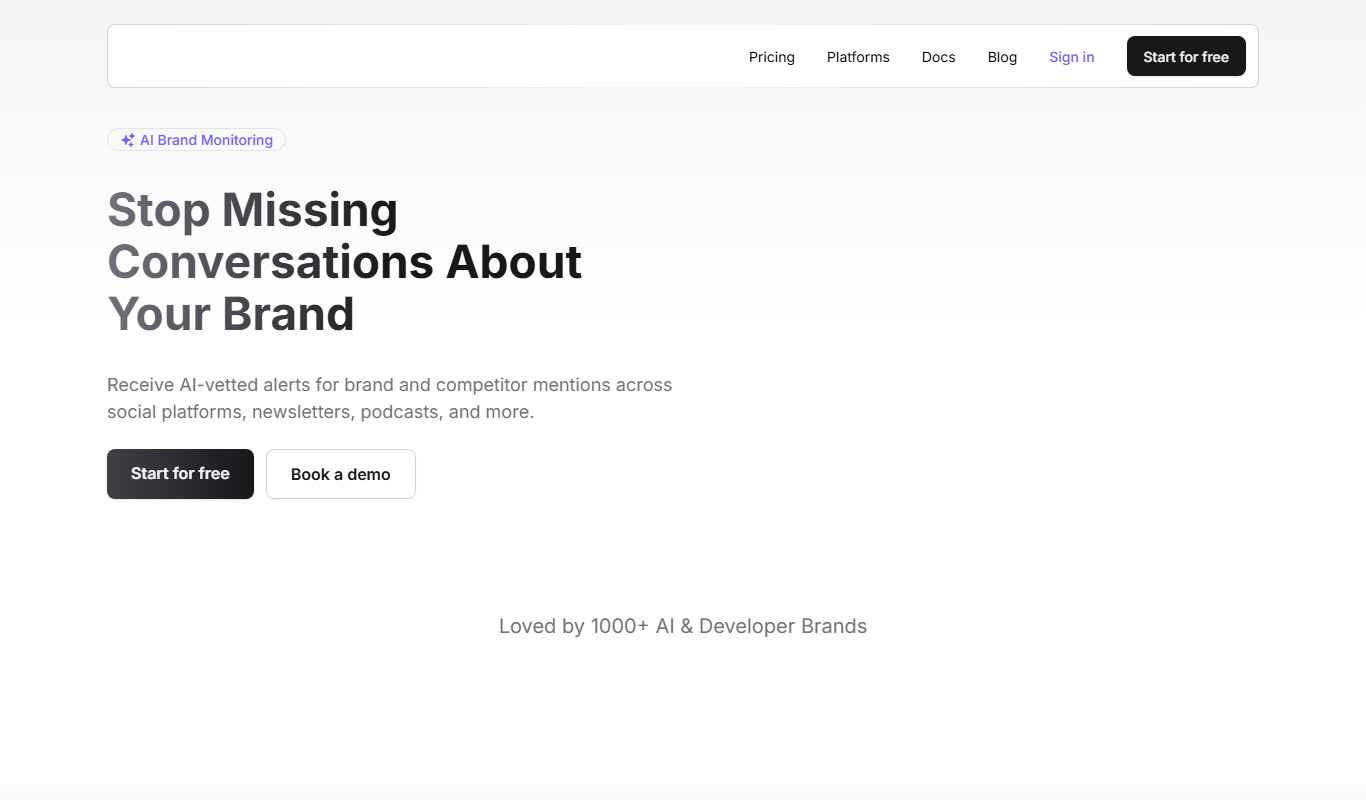
Octolens AI
Octolens is an AI social listening tool that tracks brand mentions across Reddit, X, LinkedIn and 10+ platforms, with API, MCP and webhooks on every plan.

Insight7
Insight7 analyzes customer calls, scores every conversation, coaches reps and deploys AI voice and chat agents for customer teams.

neuronsinc.com
Neurons is a neuromarketing AI that predicts attention, engagement and memorability of ad creatives before they go live, with heatmaps and behavioral scores.
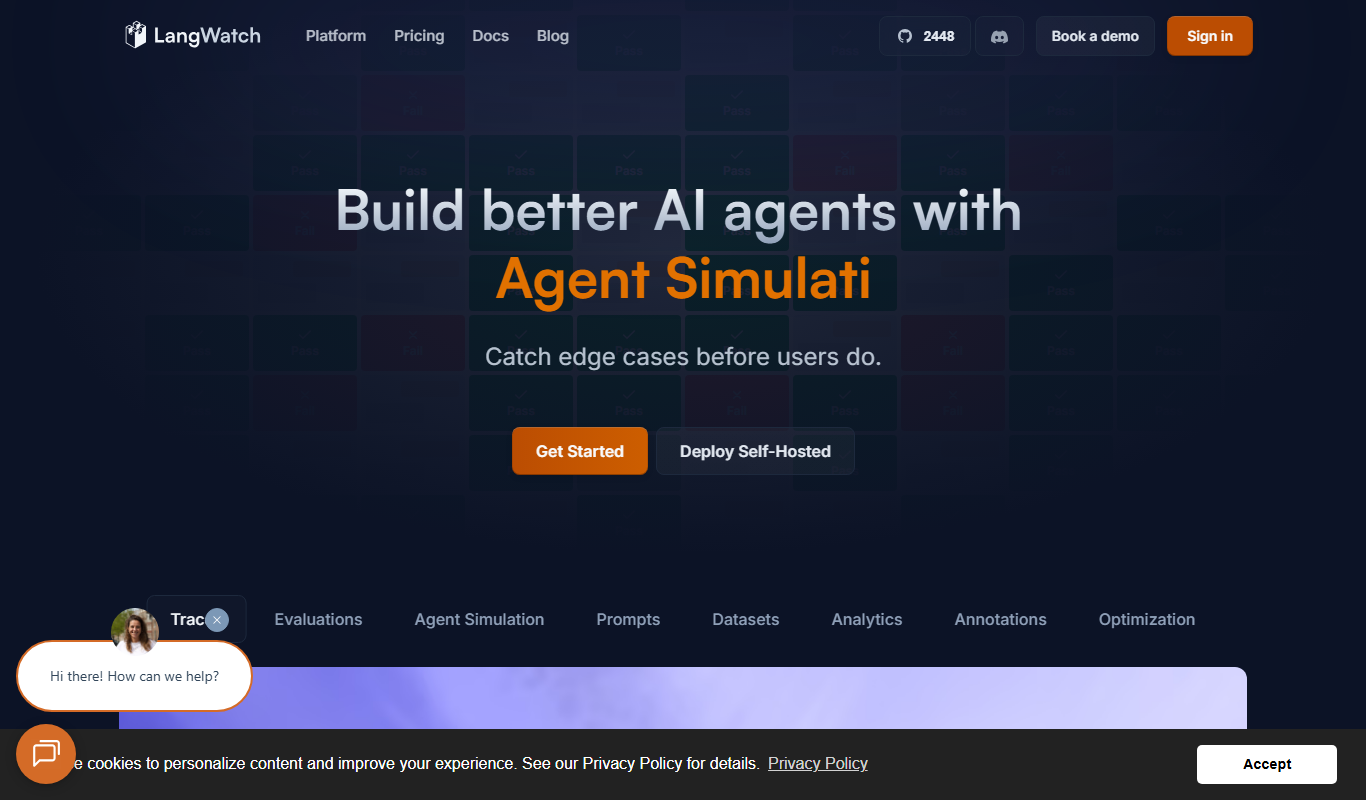
LangWatch
LangWatch is an AI agent testing and evaluation platform with simulations, evals, observability and prompt management, available in the cloud or self-hosted.

5-Out
5-Out helps restaurants boost profits with AI-powered sales forecasting, automated scheduling and purchasing based on predicted demand.

MUSICDATAK
MusicDatak is a music research platform that helps radio stations and brands track music trends, optimize playlists and grow radio audience share with tools like StationRadar.

ReviewHawk
ReviewHawk analyzes app store reviews with AI to show why users leave and what they want, so app makers can reduce churn.

StrongArm Technologies PPE AI
StrongArm Technologies offers the SafeWork Sensor, a wearable device that provides real-time haptic feedback and collects movement data, and SafeWork Training, a personalized safety training program.