

From my experience with EyeQuant, I found it excels at providing quick, AI-driven insights into where users focus their attention on websites, which is invaluable for UX and conversion optimization. The platform’s ability to generate visual heatmaps and clarity scores within seconds allows for rapid design iteration without the need for extensive user testing. However, it’s important to remember that AI predictions cannot fully replace real user behavior studies, so EyeQuant works best as a complementary tool. Overall, if you want to enhance your website’s usability and marketing effectiveness efficiently, EyeQuant delivers practical, actionable analytics.
EyeQuant AI Visual Attention Analytics for Website Optimization and UX Design
EyeQuant is an AI-driven platform that predicts where users focus their attention on websites, providing heatmaps and clarity scores to optimize design and improve conversions.
- Best for
- Website UX Optimization
- Key capability
- AI-Powered Heatmaps

What is EyeQuant?
EyeQuant is an AI-powered visual attention analytics platform that predicts where users will focus their attention on websites and digital designs. By simulating human vision and cognitive processes, it generates heatmaps and metrics that help designers, marketers, and UX professionals optimize layouts for better engagement and conversions without costly user testing.
Key features of EyeQuant
EyeQuant offers fast, AI-driven visual attention heatmaps, clarity and saliency scores, and actionable insights to improve website usability and marketing effectiveness. It integrates easily with existing workflows and supports multiple design formats.
AI-Powered Heatmaps
Generate visual attention heatmaps that predict where users will look first and most frequently.
Clarity and Saliency Scores
Quantitative metrics that assess how clear and attention-grabbing your design is.
Fast Analysis
Receive results within seconds, enabling rapid iteration and testing.
Multi-Format Support
Analyze live websites, screenshots, or design files in various formats.
Integration and Collaboration
Easily share reports and insights with teams to streamline design and marketing workflows.
Pros and cons of EyeQuant
Pros
- Quick and easy visual attention insights
- Reduces need for expensive user testing
- Clear, actionable metrics for design improvement
- Supports multiple input formats
- Collaborative reporting features
Cons
- AI predictions may not capture all user behaviors
- Limited free plan features
- Pricing details require direct contact
Key use cases for EyeQuant
Website UX Optimization
Analyze and improve user experience by understanding where visitors focus their attention on webpages.
Conversion Rate Optimization
Identify visual bottlenecks and distractions to increase conversions and sales performance.
Marketing Campaign Analysis
Evaluate the effectiveness of landing pages and ad creatives by predicting user attention patterns.
Design Validation
Validate design decisions early by simulating human visual attention without requiring user testing.
A/B Testing Support
Complement A/B testing by providing AI-driven heatmaps to predict which design variants perform better.
How EyeQuant works
-
1
Upload Design or URL
Submit your website URL or upload design images to the EyeQuant platform.
-
2
AI Visual Attention Analysis
EyeQuant’s AI models analyze visual elements to predict user attention and generate heatmaps.
-
3
Review Metrics and Heatmaps
Examine clarity scores, saliency maps, and attention distribution to identify strengths and weaknesses.
-
4
Implement Design Improvements
Use insights to optimize layout, content placement, and call-to-action elements for better user engagement.
Who is using EyeQuant
UX designers
Digital marketers
Conversion rate optimization specialists
Web developers
Product managers
EyeQuant pricing
Free
$0/month
Basic access with limited analyses and features suitable for small projects.
Pro
Contact for pricing
Advanced features, unlimited analyses, and priority support for professional users and teams.
Plans and prices are as published by the vendor and can change. Check the official site before you buy. Open the pricing page (opens in a new tab)
Frequently asked questions about EyeQuant
EyeQuant uses AI models trained on human visual perception data to simulate where users focus their eyes on digital content.
EyeQuant provides fast, cost-effective insights but is best used alongside traditional user testing for comprehensive UX evaluation.
EyeQuant supports URLs, PNG, JPG, and other common image formats for analysis.
Yes, EyeQuant offers a free plan with limited features to try the platform.
This tool is designed to help users accomplish its core tasks more efficiently. It is typically used by individuals or teams looking to improve productivity and workflow.
It depends on your specific needs and how you plan to use the tool. The official website and documentation are the best sources for the latest details.
Yes, it can help with that use case depending on how you configure it and what features are available. You’ll get the best results with clear inputs and a defined goal.
Pricing depends on the plan and included features. For the most accurate and up-to-date details, check the official pricing page.
Sign in to review this tool.
Sign In to ReviewNo reviews yet
Be the first to share how this tool worked for you.
Ask about pricing, limits, or how it compares — or answer someone else.
Sign In to AskNo questions yet
Have a question about using or paying for this tool? Be the first to ask.
Featured on TiorAI



Alternative Tools
Explore similar AI tools that might fit your needs

Free
Hotjar
Hotjar is a user behavior analytics tool that provides heatmaps, session recordings, conversion funnels, and feedback polls to help website owners understand visitor interactions and improve user experience.

Free Trial
Crazy Egg
Crazy Egg is a web analytics tool that provides heatmaps, session recordings, and A/B testing features to help businesses understand user behavior and optimize their websites for better engagement and conversions.
More AI Analytics Assistant tools
Other tools in the same category, for when this one is not quite the fit.

Custom Pricing
Veraset
Veraset provides privacy-compliant, high-quality location data via API and web platform to support marketing, retail, and urban planning analytics.

Custom Pricing
Cambridge Mobile Telematics
Cambridge Mobile Telematics provides a mobile telematics platform that uses smartphone sensors and AI to analyze driver behavior, enabling insurers and fleet managers to assess risk, improve safety, and reduce accidents.
Free
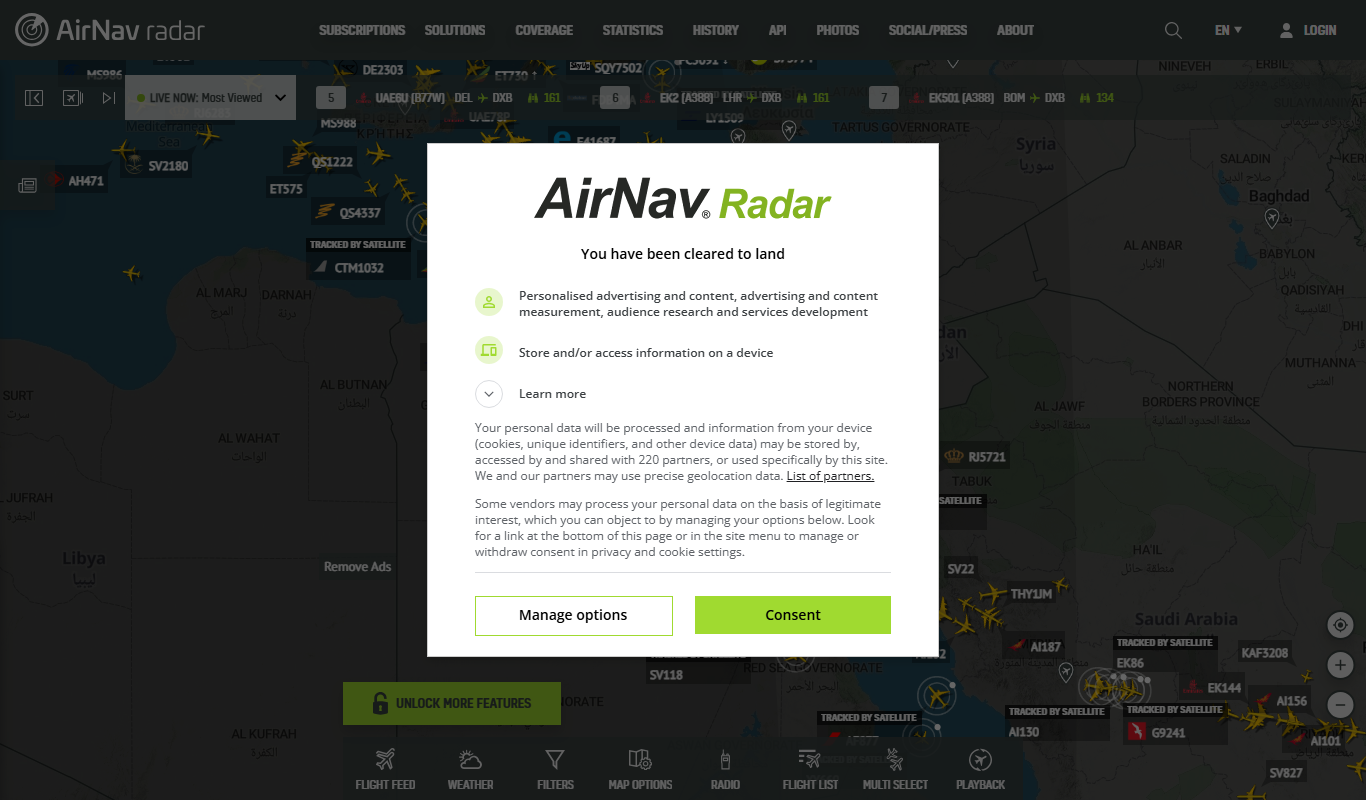
RadarBox
RadarBox is a real-time flight tracking platform offering live aircraft positions, flight history, and aviation data accessible via web and mobile apps.

Free
DeFiChain
DeFiChain is a blockchain platform focused on decentralized finance, enabling fast, secure, and low-cost DeFi applications integrated with Bitcoin.
Custom Pricing
Liquidnet
Liquidnet is a global institutional trading platform that connects asset managers and brokers to execute large block equity trades anonymously via a dark pool, providing liquidity and advanced analytics to optimize trade execution.

Free
Yearn Finance
Yearn Finance is a decentralized finance platform that automates yield farming strategies using smart contracts to maximize returns on Ethereum-based crypto assets.
Free
Stock Rover
Stock Rover is an investment research platform that provides advanced stock screening, portfolio analytics, and comprehensive financial data to help investors analyze and manage their investments effectively.
Free
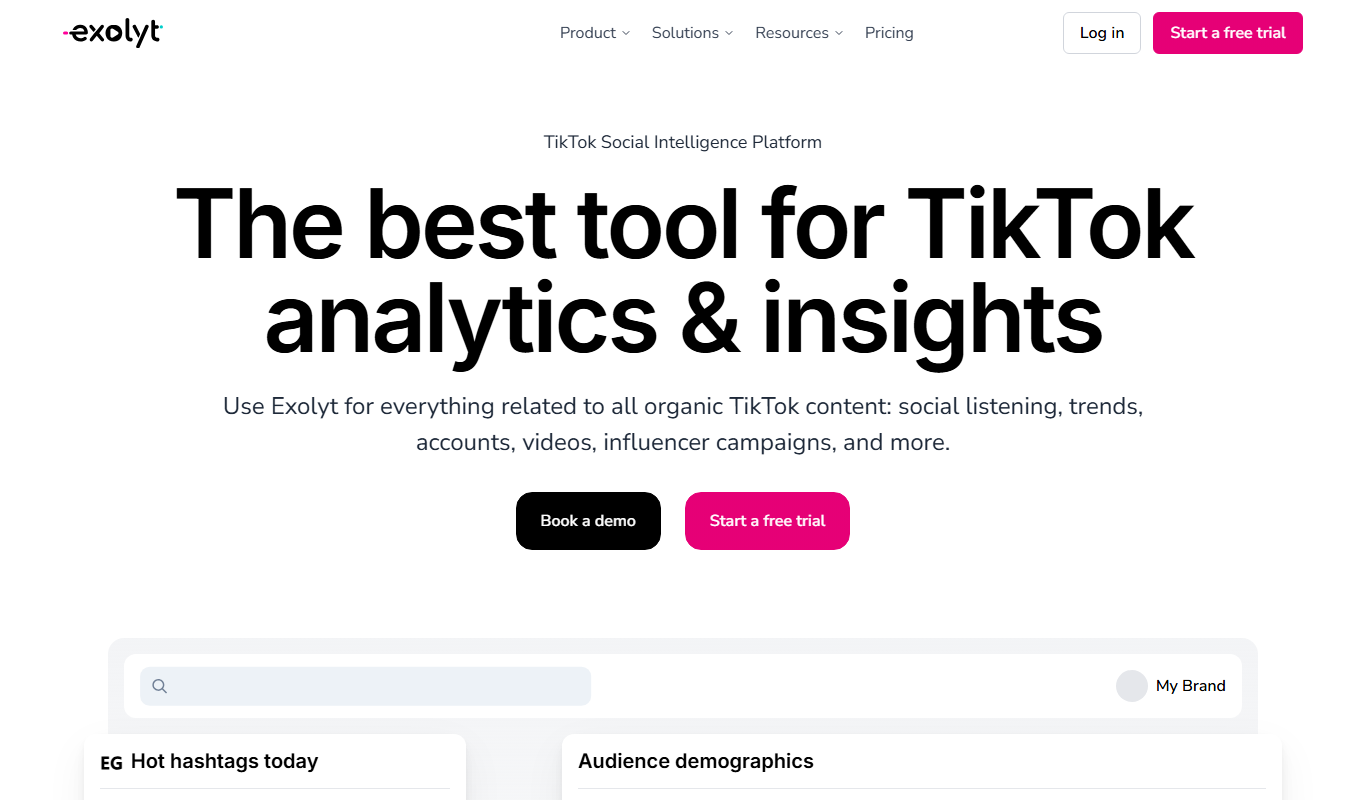
Exolyt
Exolyt is a TikTok analytics tool that helps marketers and influencers track video performance, analyze competitors, and monitor follower growth to optimize TikTok marketing strategies.