

From my experience with AstroML, I found it excels at providing specialized machine learning tools tailored for astronomical data, which can be complex and large-scale. The integration with the Python scientific stack makes it a powerful resource for researchers and students in astrophysics. However, the tool requires some familiarity with Python programming and is primarily code-based, which might be a barrier for beginners without coding experience. Overall, if you are involved in astronomy research or scientific data analysis, AstroML offers a robust, free solution to apply advanced machine learning techniques effectively.
AstroML Python Library for Machine Learning in Astronomy and Data Analysis
AstroML is a free, open-source Python library designed to apply machine learning techniques to astronomical data analysis, integrating with scientific Python tools to support research and education in astrophysics.
- Best for
- Astronomical Data Analysis
- Key capability
- Specialized Algorithms for Astronomy

Do you recommend this tool?
What is AstroML?
AstroML is an open-source Python module designed to facilitate machine learning and data mining in astronomy. It provides a suite of tools and algorithms specifically adapted for the analysis of astronomical datasets, including clustering, regression, density estimation, and dimensionality reduction. AstroML integrates with popular scientific Python libraries to enable researchers and data scientists to apply advanced statistical and machine learning methods to astrophysical data.
Key features of AstroML
AstroML offers a comprehensive collection of machine learning algorithms, statistical tools, and data visualization utilities tailored for astronomy. It supports tasks such as classification, clustering, regression, and time series analysis, all optimized for large and complex datasets common in astrophysics research.
Specialized Algorithms for Astronomy
Includes algorithms adapted for astrophysical data characteristics, such as hierarchical clustering and density estimation.
Integration with Scientific Python Stack
Seamlessly works with NumPy, SciPy, scikit-learn, and matplotlib for efficient computation and visualization.
Extensive Documentation and Examples
Provides tutorials and sample code to help users apply machine learning techniques to real astronomical problems.
Open Source and Community Driven
Developed and maintained by a community of astronomers and data scientists, ensuring relevance and continuous improvement.
Pros and cons of AstroML
Pros
- Specialized for astronomical data analysis
- Free and open-source with active community support
- Comprehensive documentation and tutorials
- Integrates well with popular Python scientific libraries
Cons
- Requires familiarity with Python programming
- Primarily focused on astronomy, less tailored for other domains
- Limited GUI; mostly code-based usage
Key use cases for AstroML
Astronomical Data Analysis
Analyze large-scale astronomical datasets using machine learning algorithms tailored for astrophysics.
Scientific Research
Support research projects requiring statistical modeling, clustering, and regression on scientific data.
Machine Learning Education
Provide educational resources and examples for learning machine learning techniques in astronomy.
Data Visualization
Create advanced visualizations of complex datasets to interpret astrophysical phenomena.
Algorithm Development
Develop and test new machine learning algorithms optimized for astronomical data challenges.
How AstroML works
-
1
Install the Library
Use pip or conda to install AstroML and its dependencies in your Python environment.
-
2
Load Astronomical Data
Import datasets from various sources such as surveys or simulations into Python.
-
3
Apply Machine Learning Algorithms
Use AstroML’s built-in algorithms for tasks like clustering, classification, or regression.
-
4
Visualize Results
Generate plots and visualizations to interpret and communicate findings effectively.
Who is using AstroML
Astronomers and astrophysicists
Data scientists working with scientific data
Researchers in machine learning
Graduate students in astronomy and physics
Scientific software developers
AstroML pricing
Free
$0
Open-source software available for free under a permissive license.
Plans and prices are as published by the vendor and can change. Check the official site before you buy. Open the pricing page (opens in a new tab)
Frequently asked questions about AstroML
Yes, AstroML includes educational resources and examples that make it accessible for users new to machine learning.
While optimized for astronomy, many algorithms and tools in AstroML can be applied to other scientific data analysis tasks.
AstroML is a Python library and requires Python programming knowledge.
This tool is designed to help users accomplish its core tasks more efficiently. It is typically used by individuals or teams looking to improve productivity and workflow.
Some tools offer a free plan or trial with limited features. Availability can vary, so confirm on the official website.
Yes, it can help with that use case depending on how you configure it and what features are available. You’ll get the best results with clear inputs and a defined goal.
This tool is designed to help users accomplish its core tasks more efficiently. It is typically used by individuals or teams looking to improve productivity and workflow.
Sign in to review this tool.
Sign In to ReviewNo reviews yet
Be the first to share how this tool worked for you.
Ask about pricing, limits, or how it compares — or answer someone else.
Sign In to AskNo questions yet
Have a question about using or paying for this tool? Be the first to ask.
Featured on TiorAI



Alternative Tools
Explore similar AI tools that might fit your needs

Free
PyTorch
PyTorch is an open-source machine learning library developed by Meta Platforms, Inc., designed for building and deploying deep learning models with dynamic computation graphs and GPU acceleration.
More AI Analytics Assistant tools
Other tools in the same category, for when this one is not quite the fit.

Custom Pricing
Veraset
Veraset provides privacy-compliant, high-quality location data via API and web platform to support marketing, retail, and urban planning analytics.

Custom Pricing
Cambridge Mobile Telematics
Cambridge Mobile Telematics provides a mobile telematics platform that uses smartphone sensors and AI to analyze driver behavior, enabling insurers and fleet managers to assess risk, improve safety, and reduce accidents.
Free
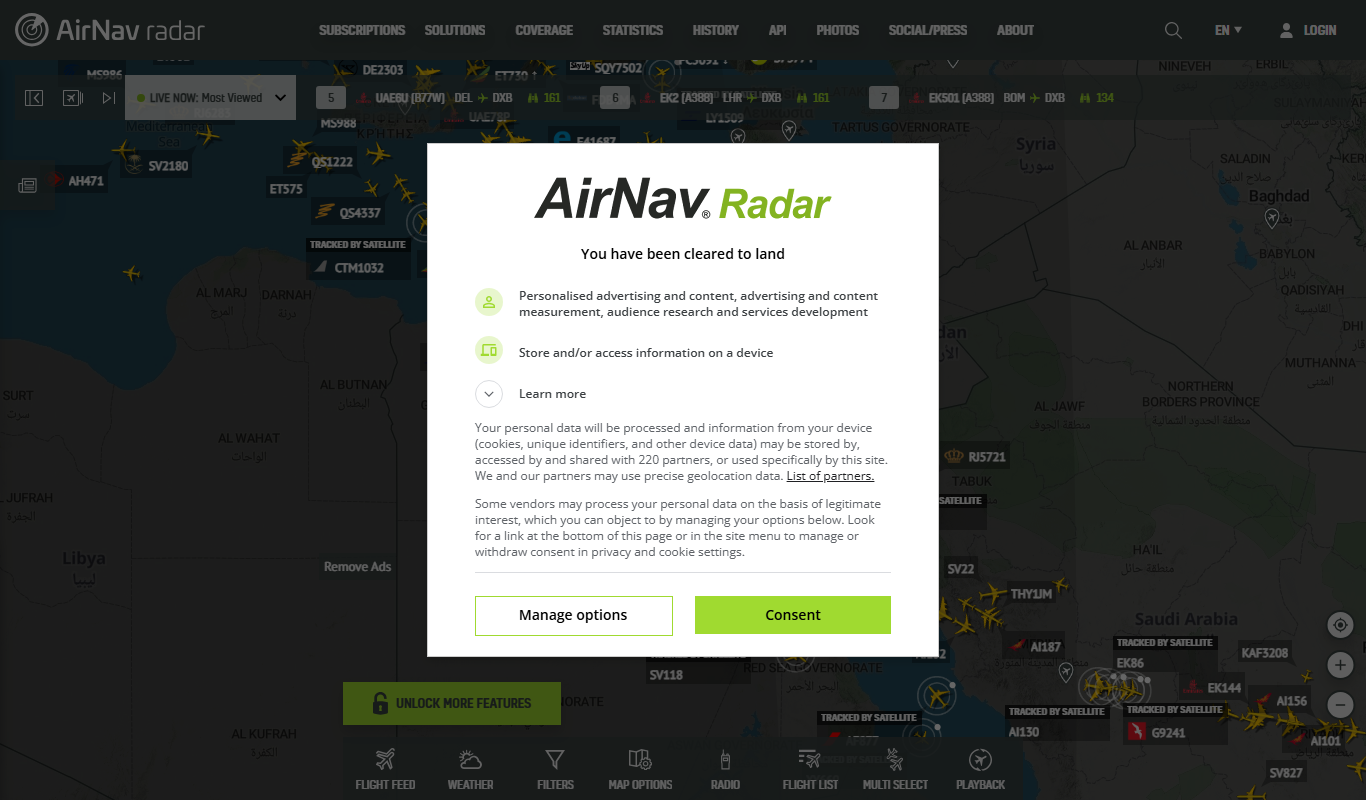
RadarBox
RadarBox is a real-time flight tracking platform offering live aircraft positions, flight history, and aviation data accessible via web and mobile apps.

Free
DeFiChain
DeFiChain is a blockchain platform focused on decentralized finance, enabling fast, secure, and low-cost DeFi applications integrated with Bitcoin.
Custom Pricing
Liquidnet
Liquidnet is a global institutional trading platform that connects asset managers and brokers to execute large block equity trades anonymously via a dark pool, providing liquidity and advanced analytics to optimize trade execution.

Free
Yearn Finance
Yearn Finance is a decentralized finance platform that automates yield farming strategies using smart contracts to maximize returns on Ethereum-based crypto assets.
Free
Stock Rover
Stock Rover is an investment research platform that provides advanced stock screening, portfolio analytics, and comprehensive financial data to help investors analyze and manage their investments effectively.
Free
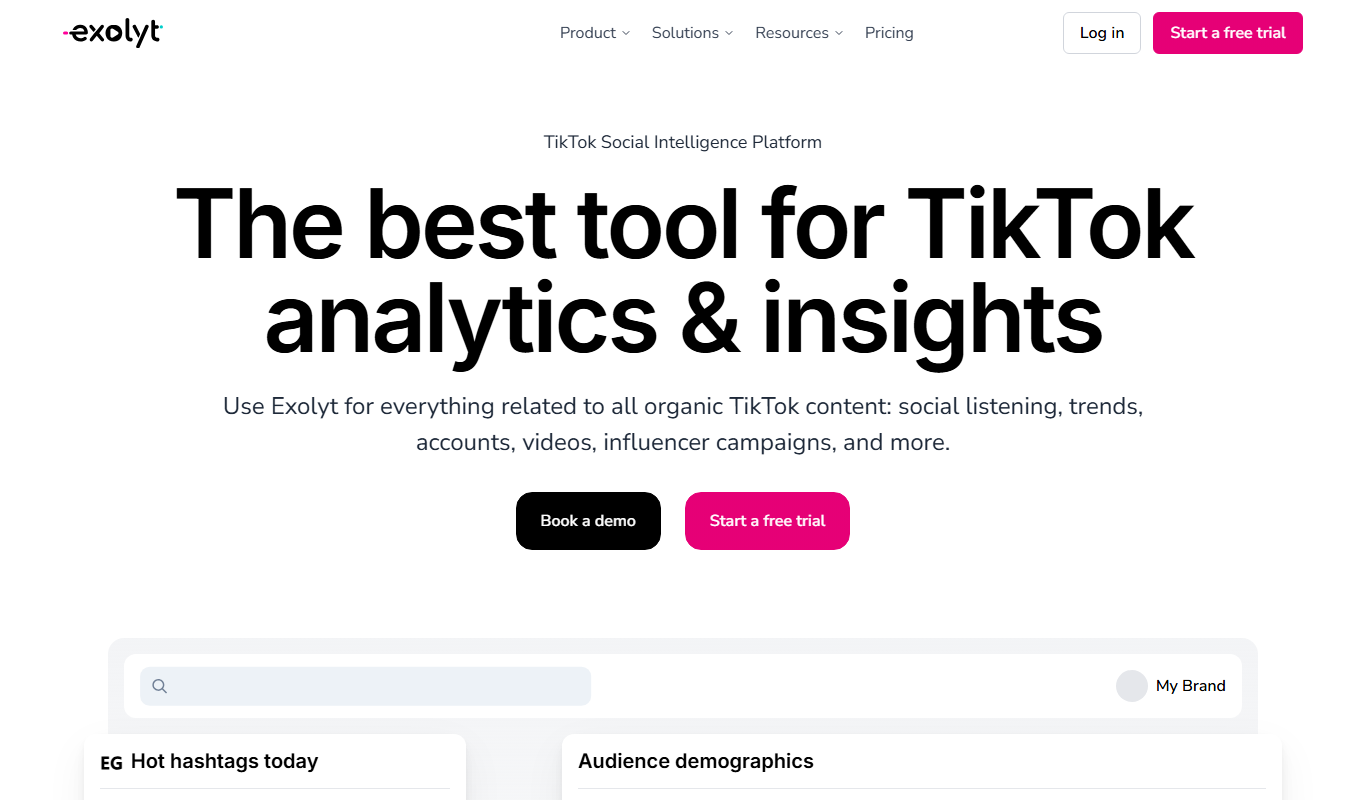
Exolyt
Exolyt is a TikTok analytics tool that helps marketers and influencers track video performance, analyze competitors, and monitor follower growth to optimize TikTok marketing strategies.