What Is Synthetic Media?
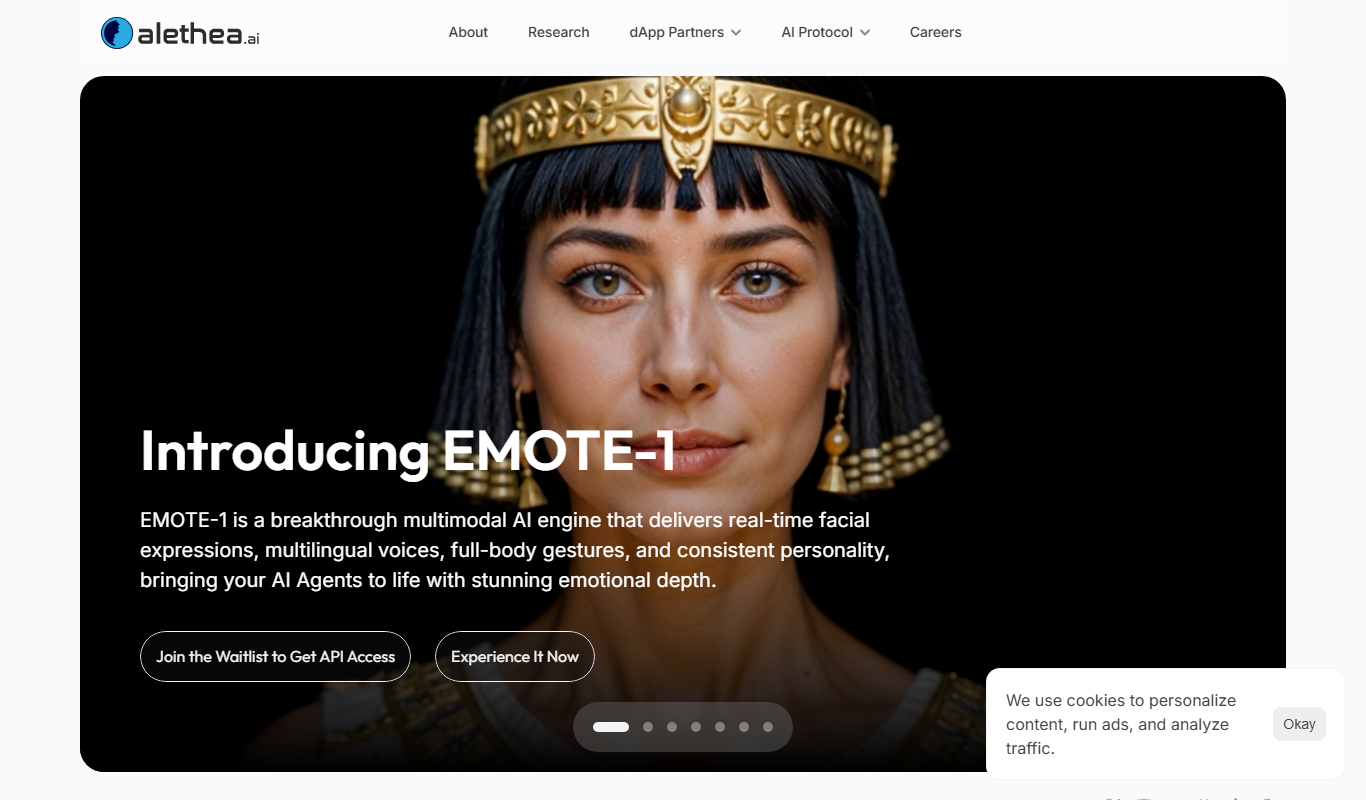
Synthetic media refers to audio, video, images, or text content that is artificially created or altered through AI-driven technologies such as deep learning, neural networks, and generative adversarial networks (GANs). Unlike traditional media, which is captured from real-world events or human creation, synthetic media can produce realistic simulations, avatars, deepfakes, and entirely fabricated scenarios. This technology enables the generation of highly convincing content that can mimic voices, facial expressions, and written language, often indistinguishable from authentic media.
Why Is Synthetic Media Important?
Synthetic media is transforming how brands, marketers, and creators produce content by offering scalable, cost-effective, and customizable solutions. It opens new creative possibilities for personalized advertising, virtual influencers, and immersive storytelling while also raising critical issues about ethics and misinformation. Understanding synthetic media is essential for recognizing both its powerful applications and the challenges it poses in digital communication.
- Enables hyper-personalized marketing and content creation at scale.
- Facilitates innovative customer engagement through virtual avatars and AI-generated voices.
- Raises awareness of content authenticity and the risks of deepfake misinformation.
Key Characteristics of Synthetic Media
- Virtual Influencers: Brands use AI-generated avatars to interact with audiences on social media, creating engaging campaigns without human actors.
- Deepfake Marketing Videos: Companies employ synthetic video to personalize customer experiences or create realistic product demonstrations.
How Synthetic Media Works (Step-by-Step)
- Data Collection: AI models are trained on large datasets of real media to learn patterns and features.
- Content Generation: The trained models generate new content by synthesizing elements based on learned data.
- Refinement and Editing: Generated media is refined to enhance realism and tailored for specific purposes or audiences.
Real-World Examples of Synthetic Media
- Virtual Influencers: Brands use AI-generated avatars to interact with audiences on social media, creating engaging campaigns without human actors.
- Deepfake Marketing Videos: Companies employ synthetic video to personalize customer experiences or create realistic product demonstrations.
Synthetic Media in SEO, Marketing, or Business Context
In marketing and SEO, synthetic media is leveraged to create unique, engaging content that can improve user experience and increase brand visibility. By generating personalized videos or audio messages, businesses can enhance customer engagement and retention. However, marketers must balance the creative potential with ethical considerations and transparency to maintain trust and comply with digital content regulations.
Common Mistakes or Misunderstandings About Synthetic Media
- Assuming all synthetic media is deceptive or malicious, ignoring its legitimate creative and business uses.
- Overlooking the importance of transparency and ethical guidelines when deploying synthetic content in marketing.
Related Terms
- Deepfake
- Artificial Intelligence
- Generative Adversarial Networks (GANs)
FAQs About Synthetic Media
Deepfakes are a type of synthetic media specifically focused on realistic video or audio manipulation, while synthetic media encompasses all AI-generated content formats.
It enables personalized content creation, reduces production costs, and allows brands to innovate in customer engagement through AI-driven experiences.
Summary
Synthetic media is an AI-powered technology that creates highly realistic digital content across multiple formats, revolutionizing marketing and content creation. While it offers exciting opportunities for personalization and innovation, it also demands careful ethical use to prevent misinformation. Understanding synthetic media equips digital professionals to harness its potential responsibly and effectively.