What Is Image Hosting?
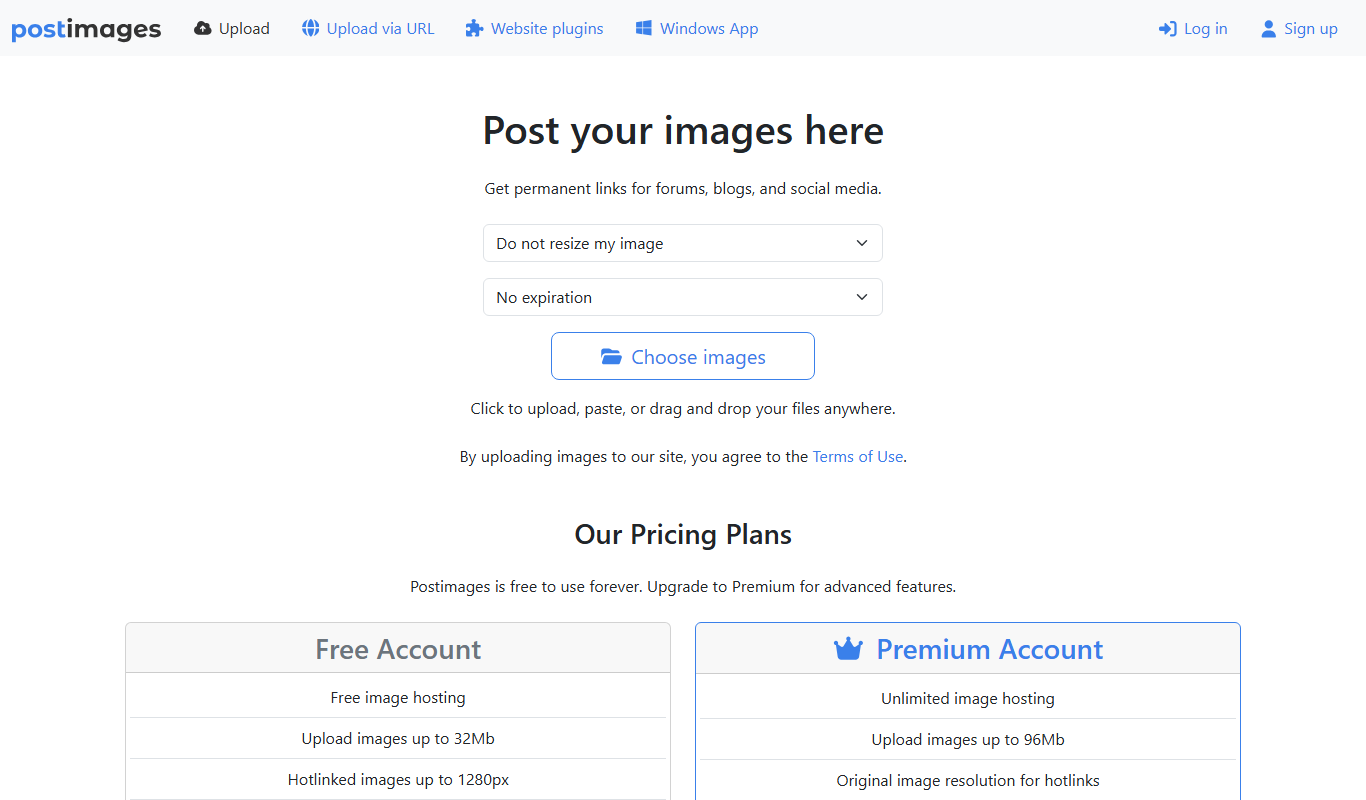
Image hosting refers to the process of uploading and storing images on specialized servers or platforms that allow users to access and share those images via the internet. Instead of embedding image files directly into a website’s own server, websites and users use image hosting services to manage the storage and delivery of images efficiently. This helps with faster loading times, better bandwidth management, and easier image sharing across different digital channels.
Why Is Image Hosting Important?
Image hosting plays a crucial role in website performance, content management, and user experience. It offloads the storage and bandwidth demands from your primary web hosting, ensuring your site remains responsive. Additionally, image hosts often provide tools for optimizing images, which improves SEO by enhancing page load speeds. Efficient image hosting also facilitates seamless integration of visuals into marketing campaigns and social media, expanding content reach and engagement.
- Improves website loading speed by offloading image delivery.
- Enhances SEO through faster page performance and optimized images.
- Enables easy sharing and embedding of images across multiple platforms.
Key Characteristics of Image Hosting
- Storage Capacity: Offers scalable storage options to accommodate different image volumes and sizes.
- Accessibility: Provides URLs or embed codes for easy insertion of images into websites, blogs, and social media.
- Optimization Features: Includes automatic resizing, compression, and format conversion to improve loading times and quality.
How Image Hosting Works (Step-by-Step)
- Upload the image file to an image hosting platform or server.
- The platform stores the image securely and generates a unique URL or embed code.
- Use the provided link or code to insert the image into websites, emails, or social media posts.
Real-World Examples of Image Hosting
- Content Management Systems (CMS): Platforms like WordPress use built-in image hosting or integrate with external hosts to manage website visuals efficiently.
- Social Media Platforms: Sites like Instagram and Facebook host users’ images, allowing instant sharing and embedding into posts and ads.
Image Hosting in SEO, Marketing, or Business Context
For businesses and marketers, image hosting is vital for delivering high-quality visuals that enhance brand storytelling and user engagement without compromising website speed. Optimized images hosted externally reduce server load while improving the chances of ranking higher in search engines due to better page performance. Marketing campaigns benefit from reliable image hosting by enabling quick distribution of visuals across multiple channels, driving traffic and conversions.
Common Mistakes or Misunderstandings About Image Hosting
- Assuming all image hosting services offer the same speed and reliability, leading to suboptimal performance.
- Neglecting image optimization during hosting, which can slow down website loading and hurt SEO.
Related Terms
- Content Delivery Network (CDN)
- Web Hosting
- Image Optimization
FAQs About Image Hosting
Image hosting specifically stores and serves images, while web hosting manages entire websites including files, databases, and applications.
They can improve speed by offloading image delivery to specialized servers optimized for fast content distribution.
Summary
Image hosting is an essential digital service that stores and delivers images online, helping websites load faster and enabling easy sharing across platforms. By choosing the right image hosting solution with optimization features, businesses and marketers can enhance user experience, improve SEO rankings, and efficiently manage visual content in their digital strategies.