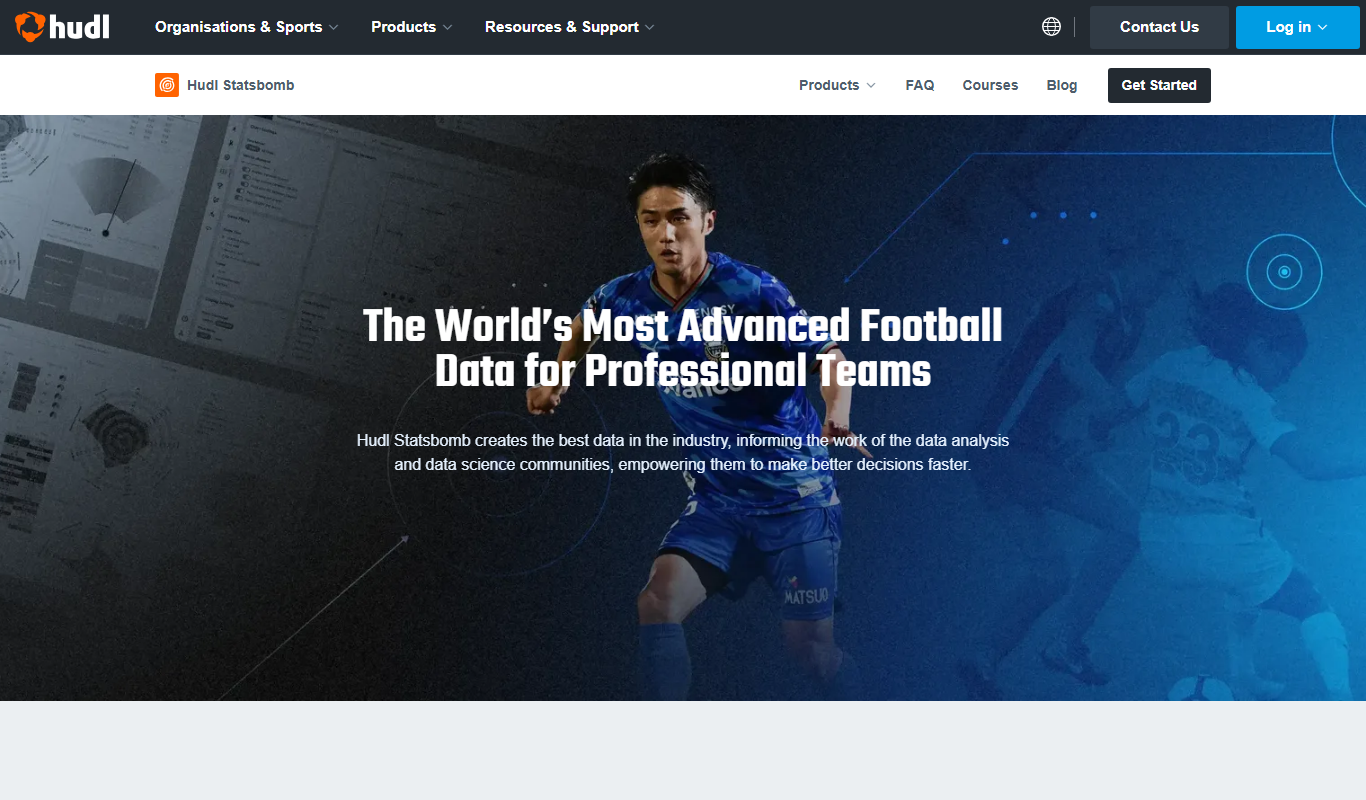
What Is Football Analytics?
Football Analytics involves collecting, processing, and interpreting large amounts of data related to player performance, team tactics, and match outcomes. It uses advanced metrics and technologies like GPS tracking, video analysis, and machine learning to uncover patterns and insights that aren’t obvious through traditional observation. This field helps coaches, analysts, and managers make informed decisions on player selection, training, and game strategy.
Why Is Football Analytics Important?
Football Analytics transforms raw data into actionable insights that can enhance a team’s competitive edge. By understanding player strengths, weaknesses, and tactical dynamics, teams can optimize their performance and reduce risks. It also provides objective evaluation, helping to justify recruitment and tactical changes with evidence rather than intuition.
- Improves player performance through targeted training and feedback.
- Supports strategic game plans based on opponent analysis.
- Enhances scouting and recruitment by identifying undervalued talent.
Key Characteristics of Football Analytics
- Data-Driven Insights: Uses quantitative data to support decisions rather than relying solely on subjective judgment.
- Multidimensional Metrics: Includes diverse performance indicators such as distance covered, pass accuracy, expected goals (xG), and player heatmaps.
- Technology Integration: Employs tools like GPS trackers, video software, and statistical models to gather and analyze data.
How Football Analytics Works (Step-by-Step)
- Data Collection: Gathering raw data from matches, training sessions, and player tracking devices.
- Data Processing: Cleaning and organizing data for analysis using software and algorithms.
- Insight Generation: Applying statistical models to identify trends, strengths, weaknesses, and opportunities for improvement.
Real-World Examples of Football Analytics
- Player Performance Analysis: Clubs use analytics to monitor player fitness levels and reduce injury risks by adjusting training loads.
- Match Strategy Development: Coaches analyze opponent tendencies to create tailored tactics that exploit weaknesses during games.
Football Analytics in SEO, Marketing, or Business Context
In the business side of football, analytics helps optimize fan engagement, sponsorship deals, and merchandise sales by understanding audience behavior and preferences. For digital marketing, data from social media and web platforms can be analyzed alongside performance data to create targeted campaigns that resonate with specific fan segments.
Common Mistakes or Misunderstandings About Football Analytics
- Assuming analytics can replace expert intuition entirely rather than complementing it.
- Overlooking the context behind data, such as game conditions or player roles, leading to misleading conclusions.
Related Terms
- Sports Analytics
- Data Science
- Performance Metrics
FAQs About Football Analytics
Data includes player movements, ball possession, pass completion, shots on goal, and physiological metrics.
It provides evidence-based insights to tailor tactics, optimize formations, and improve opponent analysis.
Summary
Football Analytics is a powerful approach that leverages data and technology to enhance decision-making in football. By combining quantitative analysis with traditional expertise, teams can improve performance, reduce risks, and gain a competitive advantage on and off the pitch. Its role continues to grow as innovations in data collection and processing evolve within the sport.