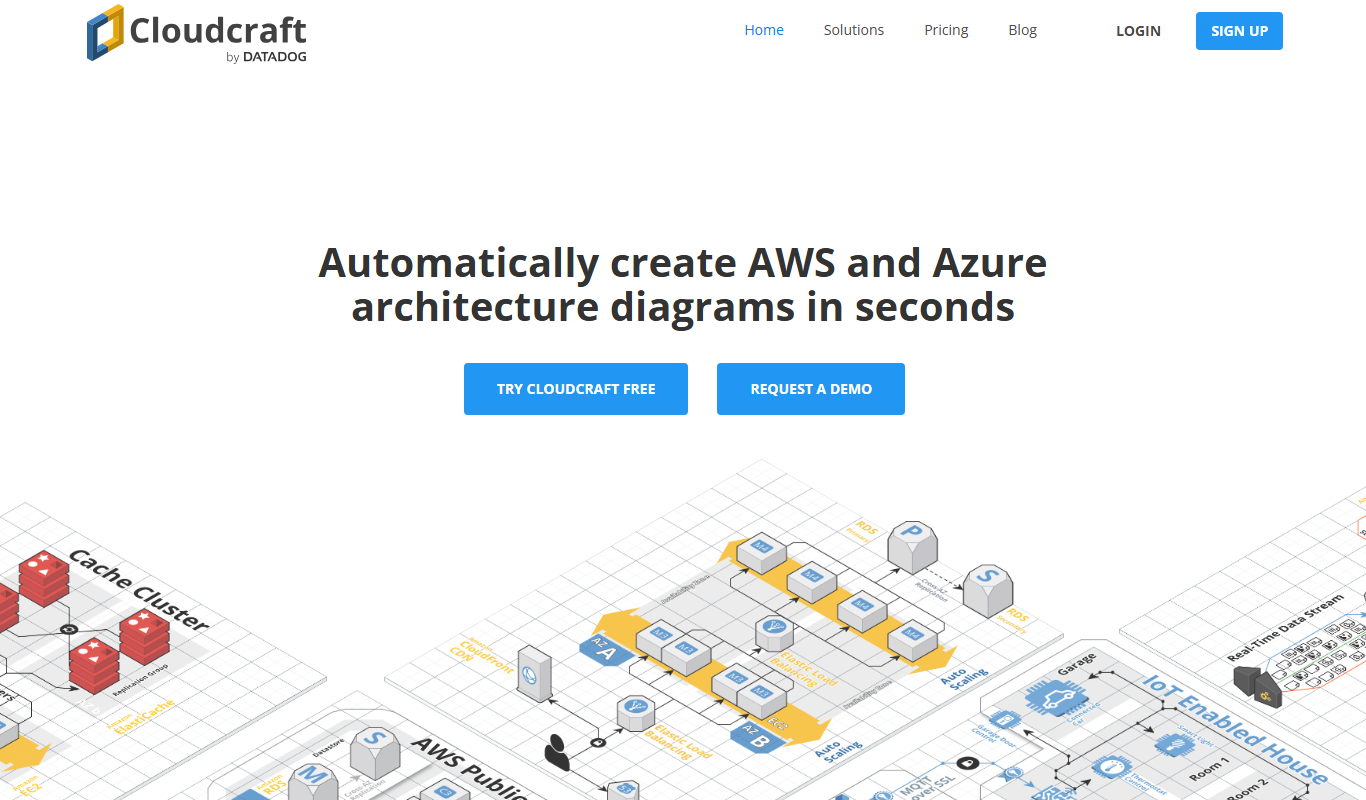
What Is AWS?
AWS, or Amazon Web Services, is a cloud platform that delivers on-demand computing resources and services such as servers, storage, databases, networking, analytics, and machine learning. It allows businesses and developers to rent virtual infrastructure instead of investing in physical hardware, enabling fast deployment, flexibility, and cost efficiency. AWS supports a wide range of applications from simple websites to complex enterprise solutions, making cloud technology accessible to startups, enterprises, and public sector organizations alike.
Why Is AWS Important?
AWS revolutionizes how businesses manage IT infrastructure by offering scalable, reliable, and secure cloud services. It eliminates the need for heavy upfront investment in hardware, reduces maintenance overhead, and accelerates innovation cycles. With AWS, companies can quickly scale resources up or down based on demand, ensuring optimal performance and cost management.
- Enables rapid deployment and scalability of applications and services.
- Provides a vast ecosystem of tools that support various business and technical needs.
- Offers robust security features compliant with industry standards.
Key Characteristics of AWS
- Scalability: Automatically adjusts resources to handle varying workloads without manual intervention.
- Pay-As-You-Go Pricing: Users pay only for the resources they consume, avoiding large capital expenditures.
- Global Infrastructure: Data centers located worldwide ensure low latency and high availability for global users.
How AWS Works (Step-by-Step)
- Users sign up and select the AWS services they need, such as computing power or storage.
- They configure virtual servers, databases, or other resources via the AWS Management Console or APIs.
- Applications are deployed and managed in the cloud, with resources scaling based on real-time demand.
Real-World Examples of AWS
- Startups Launching Products: Many startups use AWS to quickly deploy web and mobile applications without upfront infrastructure costs.
- Enterprise Backup and Disaster Recovery: Large organizations utilize AWS for securely backing up data and ensuring business continuity.
AWS in SEO, Marketing, or Business Context
In digital marketing and SEO, AWS enables fast website hosting and content delivery, improving page load times and user experience, which are critical ranking factors. Businesses leverage AWS to run scalable analytics platforms, manage customer data securely, and deploy AI-powered marketing tools. AWS’s flexible infrastructure supports marketing campaigns with variable traffic, ensuring reliability and performance.
Common Mistakes or Misunderstandings About AWS
- Assuming AWS services are always cost-effective without proper resource management and monitoring.
- Believing AWS eliminates the need for security best practices—users are responsible for securing their applications and data.
Related Terms
- Cloud Computing
- Infrastructure as a Service (IaaS)
- Amazon EC2 (Elastic Compute Cloud)
FAQs About AWS
AWS offers computing power, storage solutions, databases, machine learning, analytics, and networking services among others.
AWS uses a pay-as-you-go model where you pay only for the resources you consume, with no long-term commitments.
Summary
AWS is a leading cloud platform that empowers businesses to innovate and scale by providing flexible, secure, and cost-efficient computing resources. Its broad suite of services supports diverse applications, making it a cornerstone for modern IT infrastructure and digital transformation across industries.