

From my experience with Diffbot, I found it excels at automating complex web data extraction tasks that traditionally require extensive manual coding. Its AI-driven approach to understanding page structure and content makes it highly adaptable across diverse websites, which is a significant advantage for developers and data teams. However, integrating Diffbot requires some technical expertise, and its custom pricing model may not suit smaller projects or casual users. Overall, if you need reliable, scalable, and intelligent web data extraction or want to build knowledge graphs, Diffbot delivers robust and enterprise-grade solutions.
Diffbot AI Web Data Extraction and Structured Data API for Developers
Diffbot is an AI-driven platform that automatically extracts structured data from web pages using machine learning and computer vision, providing APIs for developers to access clean, organized data for various applications.
- Best for
- Automated Web Data Extraction
- Key capability
- Automatic Web Page Classification

Do you recommend this tool?
What is Diffbot?
Diffbot is an AI-powered web data extraction platform that uses machine learning and computer vision to automatically analyze and extract structured data from any web page. It provides APIs that transform unstructured web content into clean, structured data, enabling developers and businesses to build knowledge graphs, perform market research, and automate data collection without manual scraping or rule writing.
Key features of Diffbot
Diffbot offers automatic page classification, entity extraction, relationship mapping, and knowledge graph APIs. Its AI models understand page layouts and content types to deliver clean JSON data. The platform supports custom extraction rules, real-time data updates, and scalable API access for enterprise needs.
Automatic Web Page Classification
Detects page types such as articles, products, discussions, and extracts relevant data accordingly.
Entity and Relationship Extraction
Identifies people, organizations, products, and their relationships to build rich datasets.
Knowledge Graph API
Provides access to a continuously updated knowledge graph derived from the web.
Custom Extraction Rules
Allows users to define specific data points to extract beyond default models.
Scalable API Access
Supports high-volume requests with enterprise-grade reliability and performance.
Pros and cons of Diffbot
Pros
- Highly accurate AI-driven data extraction
- Supports a wide range of web page types
- Scalable API suitable for enterprise use
- Continuously updated knowledge graph
- Customizable extraction capabilities
Cons
- Pricing is custom and may be expensive for small users
- Requires technical knowledge to integrate APIs
- Limited language support focused on English
Key use cases for Diffbot
Automated Web Data Extraction
Extract structured data from any web page automatically without manual coding.
Knowledge Graph Construction
Build and maintain large-scale knowledge graphs by extracting entities and relationships from web data.
Market Intelligence
Gather competitive intelligence and monitor market trends by extracting real-time data from multiple online sources.
Content Aggregation
Aggregate and normalize content from diverse websites for research, analytics, or publishing.
Data Enrichment
Enhance existing datasets with additional structured information extracted from the web.
How Diffbot works
-
1
API Integration
Developers integrate Diffbot’s APIs into their applications to send URLs for data extraction.
-
2
Automatic Page Analysis
Diffbot’s AI analyzes the web page layout and content to identify key data elements.
-
3
Structured Data Extraction
The platform extracts entities, relationships, and metadata, returning structured JSON data.
-
4
Data Consumption
Clients use the structured data for analytics, knowledge graph building, or other applications.
Who is using Diffbot
Data scientists and analysts
Market researchers
Enterprise developers
Business intelligence teams
Content aggregators
Diffbot pricing
Starter
Custom pricing
Entry-level plan with limited API calls for evaluation and small projects.
Professional
Custom pricing
Higher volume API access with advanced features and support.
Enterprise
Custom pricing
Tailored solutions with dedicated support, SLAs, and custom integrations.
Plans and prices are as published by the vendor and can change. Check the official site before you buy. Open the pricing page (opens in a new tab)
Frequently asked questions about Diffbot
Diffbot can extract data from a wide variety of web pages including articles, product pages, discussion forums, and more using AI-based page classification.
No, Diffbot uses AI to automatically analyze pages, but it also supports custom extraction rules if you need specific data points.
Unlike rule-based scrapers, Diffbot uses machine learning and computer vision to understand page structure and content, making it more adaptable and scalable.
Diffbot offers custom pricing and may provide trial access upon request; you need to contact their sales team for details.
Data handling and security practices vary by provider. Review the official privacy policy to understand how your data is stored and used.
Pricing depends on the plan and included features. For the most accurate and up-to-date details, check the official pricing page.
Yes, it can help with that use case depending on how you configure it and what features are available. You’ll get the best results with clear inputs and a defined goal.
It depends on your specific needs and how you plan to use the tool. The official website and documentation are the best sources for the latest details.
Sign in to review this tool.
Sign In to ReviewNo reviews yet
Be the first to share how this tool worked for you.
Ask about pricing, limits, or how it compares — or answer someone else.
Sign In to AskNo questions yet
Have a question about using or paying for this tool? Be the first to ask.
Featured on TiorAI



Alternative Tools
Explore similar AI tools that might fit your needs

Free
Import.io
Import.io is a no-code web data extraction tool that enables users to scrape and transform web content into structured data with automated crawling and API access.

Free
Scrapy
Scrapy is an open-source Python framework designed for web scraping and crawling, allowing developers to extract structured data from websites efficiently using asynchronous requests and customizable spiders.
More AI Analytics Assistant tools
Other tools in the same category, for when this one is not quite the fit.

Custom Pricing
Veraset
Veraset provides privacy-compliant, high-quality location data via API and web platform to support marketing, retail, and urban planning analytics.
Custom Pricing
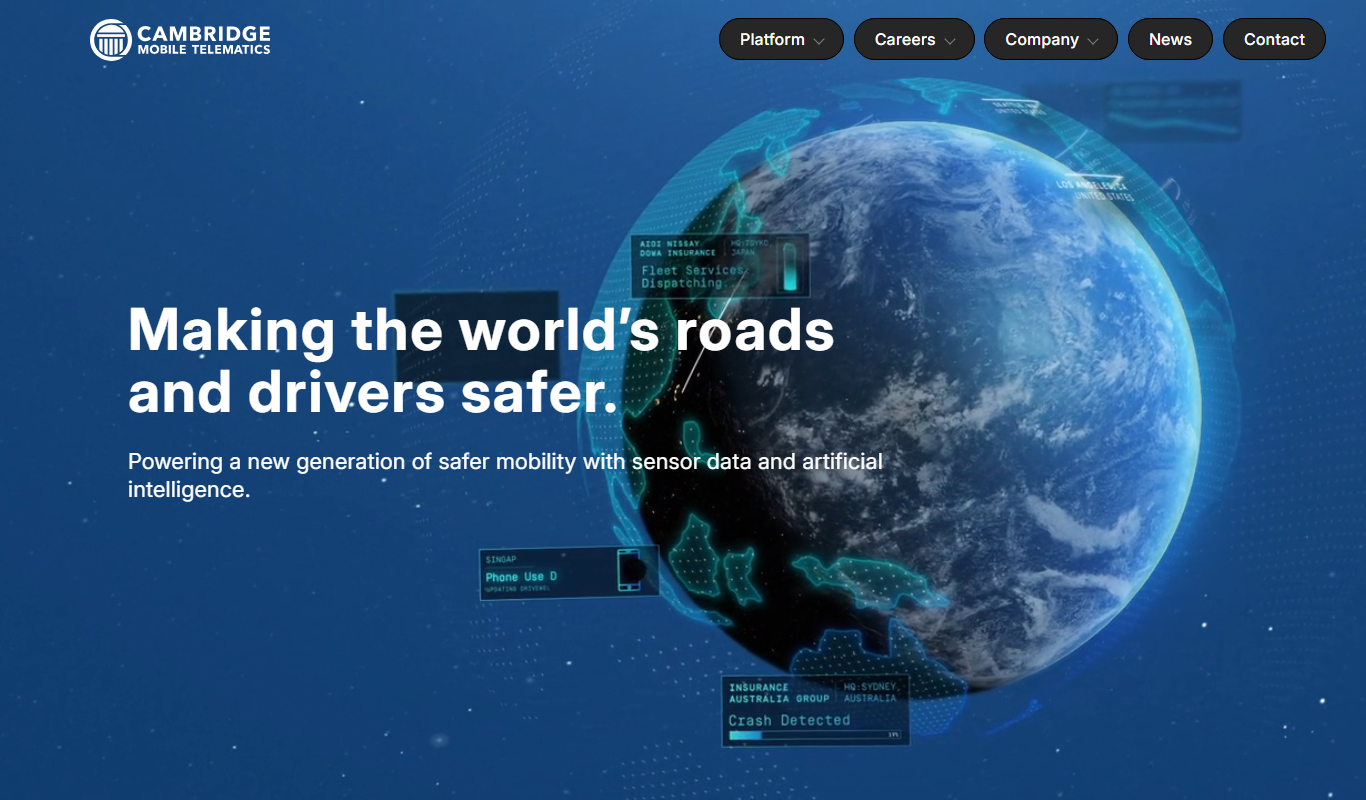
Cambridge Mobile Telematics
Cambridge Mobile Telematics provides a mobile telematics platform that uses smartphone sensors and AI to analyze driver behavior, enabling insurers and fleet managers to assess risk, improve safety, and reduce accidents.
Free
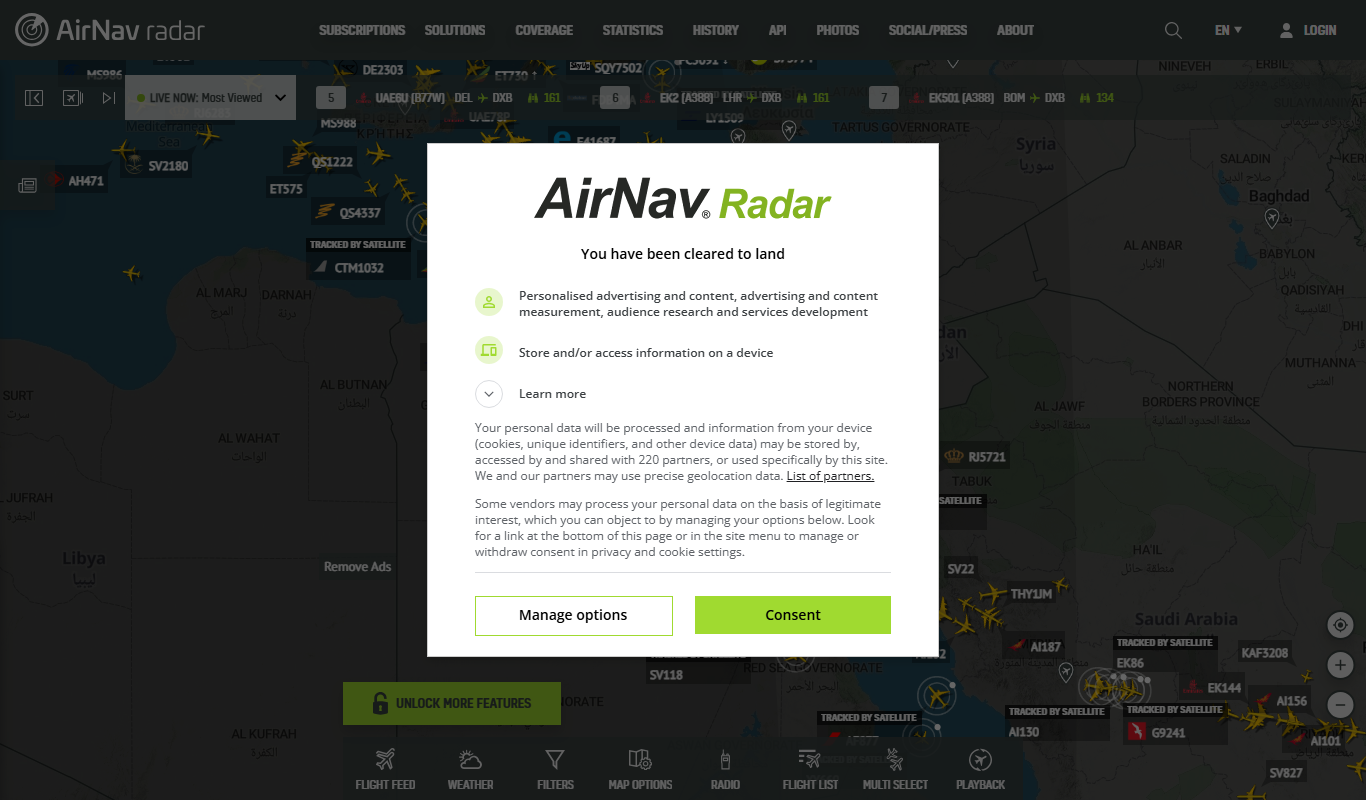
RadarBox
RadarBox is a real-time flight tracking platform offering live aircraft positions, flight history, and aviation data accessible via web and mobile apps.

Free
DeFiChain
DeFiChain is a blockchain platform focused on decentralized finance, enabling fast, secure, and low-cost DeFi applications integrated with Bitcoin.
Custom Pricing
Liquidnet
Liquidnet is a global institutional trading platform that connects asset managers and brokers to execute large block equity trades anonymously via a dark pool, providing liquidity and advanced analytics to optimize trade execution.

Free
Yearn Finance
Yearn Finance is a decentralized finance platform that automates yield farming strategies using smart contracts to maximize returns on Ethereum-based crypto assets.
Free
Stock Rover
Stock Rover is an investment research platform that provides advanced stock screening, portfolio analytics, and comprehensive financial data to help investors analyze and manage their investments effectively.
Free
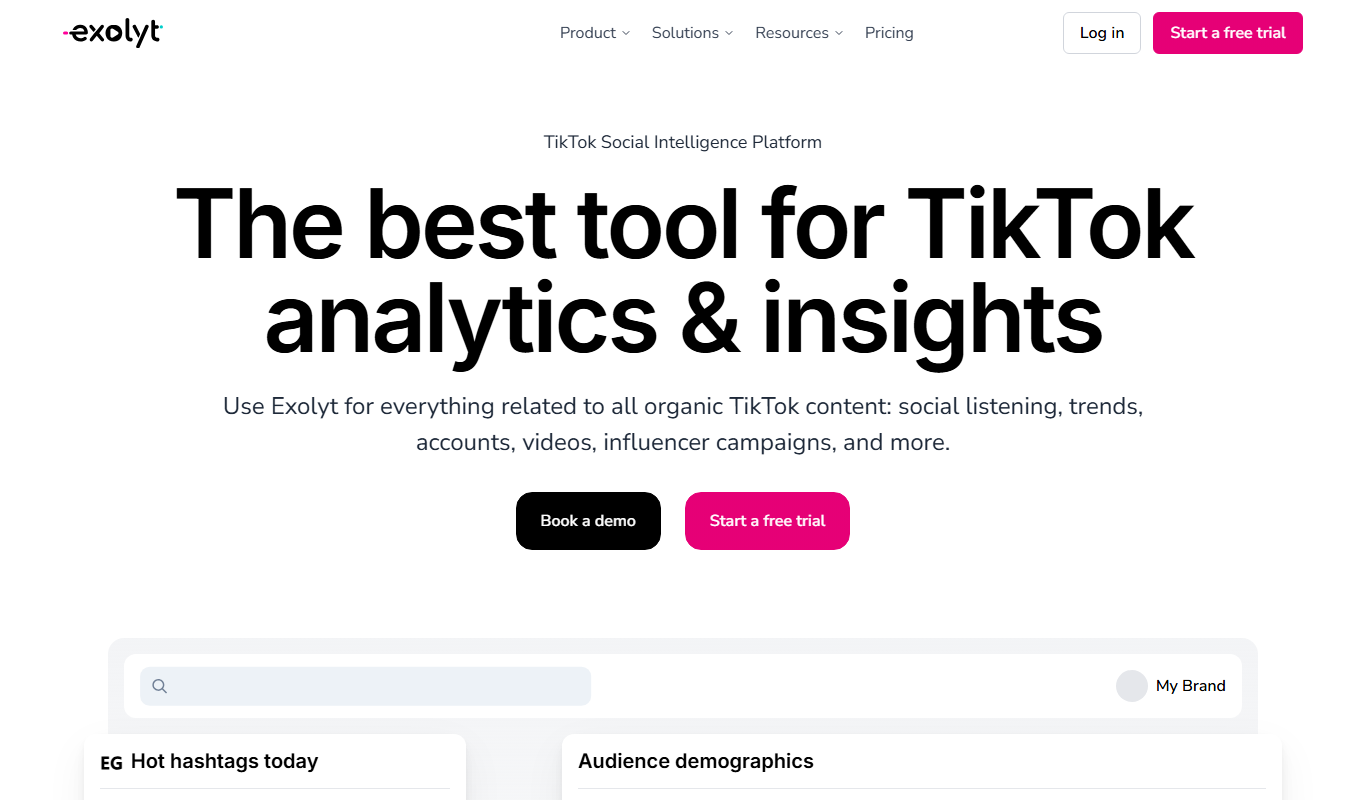
Exolyt
Exolyt is a TikTok analytics tool that helps marketers and influencers track video performance, analyze competitors, and monitor follower growth to optimize TikTok marketing strategies.