

From my experience with Snowflake, I found it excels at providing a highly scalable and flexible cloud data platform that simplifies complex data warehousing and analytics tasks. Its architecture separating compute and storage allows efficient resource use and cost control, which is a big advantage for enterprises managing large datasets. Snowflake is particularly well-suited for data engineers and analysts who need to integrate diverse data types and collaborate securely across teams. However, the pricing model can be complex for newcomers, and mastering advanced features requires some learning. Overall, if you need a robust cloud data warehouse with strong analytics and sharing capabilities, Snowflake delivers reliable and performant results.
Snowflake Cloud Data Platform for Scalable Data Warehousing and Analytics
Snowflake is a cloud-based data platform that provides scalable data warehousing, analytics, and secure data sharing with support for structured and semi-structured data.
- Best for
- Data Warehousing
- Key capability
- Multi-Cluster Shared Data Architecture

What is Snowflake?
Snowflake is a cloud-based data platform that combines data warehousing, data lakes, data engineering, data science, and data sharing into a single platform. It is designed to handle diverse data workloads with high scalability, concurrency, and performance. Snowflake runs on major cloud providers and separates compute from storage, allowing flexible resource allocation and cost control.
Key features of Snowflake
Snowflake offers features such as multi-cluster shared data architecture, automatic scaling, secure data sharing, support for structured and semi-structured data, and seamless integration with popular BI and data science tools.
Multi-Cluster Shared Data Architecture
Separates compute and storage to allow independent scaling and high concurrency.
Support for Structured and Semi-Structured Data
Native support for JSON, Avro, Parquet, and XML data formats alongside traditional relational data.
Secure Data Sharing
Enables real-time data sharing with fine-grained access controls without data movement.
Automatic Scaling and Concurrency
Automatically scales compute resources to handle varying workloads and multiple users simultaneously.
Integration with BI and ML Tools
Connects seamlessly with popular analytics, visualization, and machine learning platforms.
Pros and cons of Snowflake
Pros
- Highly scalable cloud-native architecture
- Separation of compute and storage for cost efficiency
- Strong support for diverse data types
- Robust data sharing capabilities
- Seamless integration with BI and ML tools
Cons
- Pricing can be complex for new users
- Learning curve for advanced features and optimization
- Dependent on cloud provider availability and region
Key use cases for Snowflake
Data Warehousing
Snowflake provides a scalable cloud data warehouse that enables organizations to store and analyze large volumes of structured and semi-structured data efficiently.
Data Analytics
Users can perform complex analytics and business intelligence queries on data stored in Snowflake with high performance and concurrency.
Data Sharing and Collaboration
Snowflake enables secure and governed data sharing across different business units or external partners without data duplication.
Data Engineering and ETL
Snowflake supports data ingestion, transformation, and pipeline orchestration, integrating with various ETL and ELT tools.
Machine Learning and AI Integration
Snowflake integrates with AI and machine learning platforms, allowing data scientists to access and prepare data for model training and deployment.
How Snowflake works
-
1
Create an Account
Sign up for Snowflake through their website and select your cloud provider and region.
-
2
Load Data
Ingest data from various sources including files, databases, and streaming platforms into Snowflake.
-
3
Configure Warehouses
Set up virtual warehouses to allocate compute resources for querying and processing data.
-
4
Run Queries and Analytics
Use SQL or integrated BI tools to analyze data, build dashboards, and generate reports.
-
5
Share Data Securely
Share live data securely with internal teams or external partners without copying data.
Who is using Snowflake
Snowflake pricing
On Demand
Pay-as-you-go
Flexible pricing based on actual compute and storage usage.
Capacity
Custom pricing
Reserved capacity plans for predictable workloads with volume discounts.
Plans and prices are as published by the vendor and can change. Check the official site before you buy. Open the pricing page (opens in a new tab)
Frequently asked questions about Snowflake
Snowflake runs on Amazon Web Services (AWS), Microsoft Azure, and Google Cloud Platform (GCP).
Yes, Snowflake natively supports semi-structured data formats like JSON, Avro, Parquet, and XML.
Snowflake provides end-to-end encryption, role-based access control, multi-factor authentication, and compliance with industry standards.
Snowflake supports near real-time data ingestion and querying, suitable for many analytics use cases.
This tool is designed to help users accomplish its core tasks more efficiently. It is typically used by individuals or teams looking to improve productivity and workflow.
Pricing depends on the plan and included features. For the most accurate and up-to-date details, check the official pricing page.
Yes, it can help with that use case depending on how you configure it and what features are available. You’ll get the best results with clear inputs and a defined goal.
Data handling and security practices vary by provider. Review the official privacy policy to understand how your data is stored and used.
Sign in to review this tool.
Sign In to ReviewNo reviews yet
Be the first to share how this tool worked for you.
Ask about pricing, limits, or how it compares — or answer someone else.
Sign In to AskNo questions yet
Have a question about using or paying for this tool? Be the first to ask.
Featured on TiorAI



Alternative Tools
Explore similar AI tools that might fit your needs

Databricks
Databricks is a cloud-based unified data analytics platform that enables scalable big data processing, machine learning, and collaborative data science using Apache Spark technology.
More AI Analytics Assistant tools
Other tools in the same category, for when this one is not quite the fit.

Veraset
Veraset provides privacy-compliant, high-quality location data via API and web platform to support marketing, retail, and urban planning analytics.
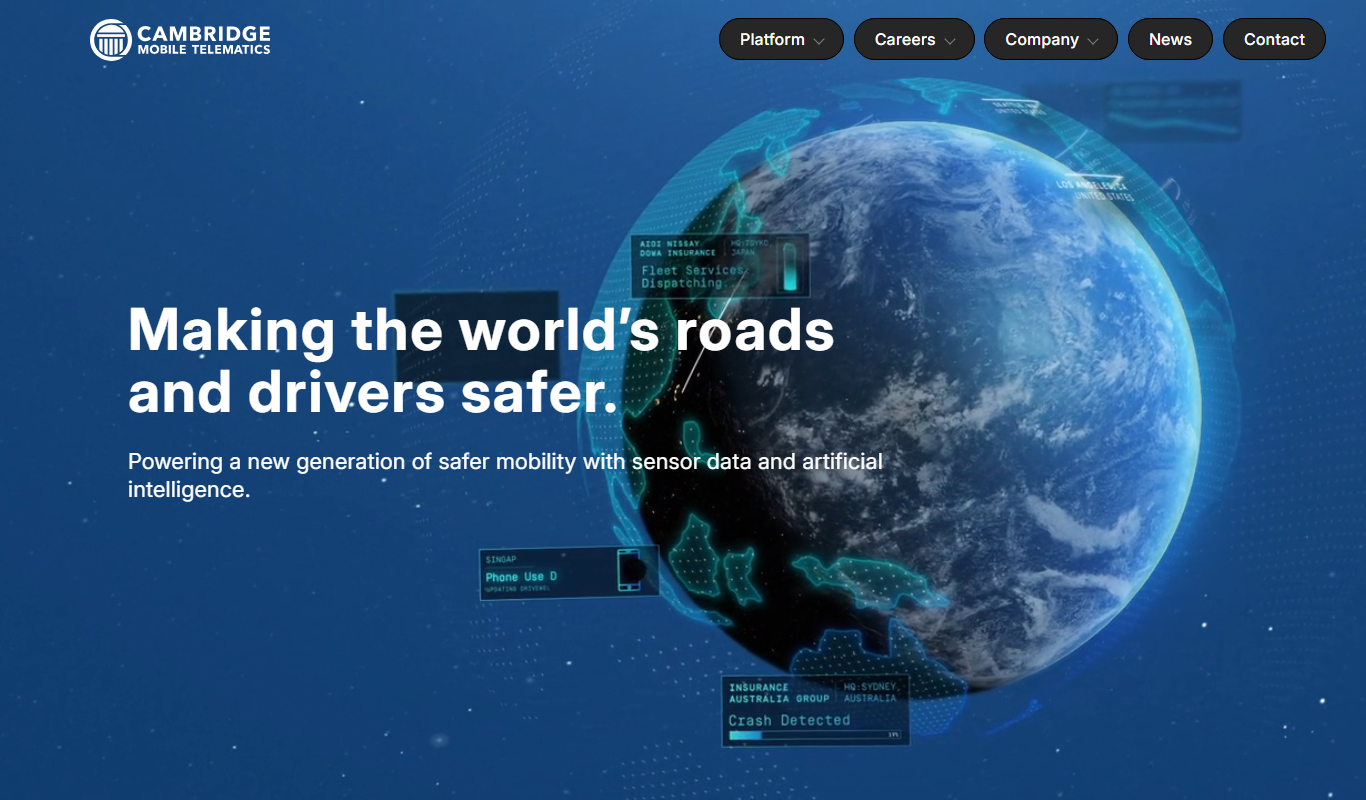
Cambridge Mobile Telematics
Cambridge Mobile Telematics provides a mobile telematics platform that uses smartphone sensors and AI to analyze driver behavior, enabling insurers and fleet managers to assess risk, improve safety, and reduce accidents.
RadarBox
RadarBox is a real-time flight tracking platform offering live aircraft positions, flight history, and aviation data accessible via web and mobile apps.

DeFiChain
DeFiChain is a blockchain platform focused on decentralized finance, enabling fast, secure, and low-cost DeFi applications integrated with Bitcoin.
Liquidnet
Liquidnet is a global institutional trading platform that connects asset managers and brokers to execute large block equity trades anonymously via a dark pool, providing liquidity and advanced analytics to optimize trade execution.

Yearn Finance
Yearn Finance is a decentralized finance platform that automates yield farming strategies using smart contracts to maximize returns on Ethereum-based crypto assets.
Stock Rover
Stock Rover is an investment research platform that provides advanced stock screening, portfolio analytics, and comprehensive financial data to help investors analyze and manage their investments effectively.
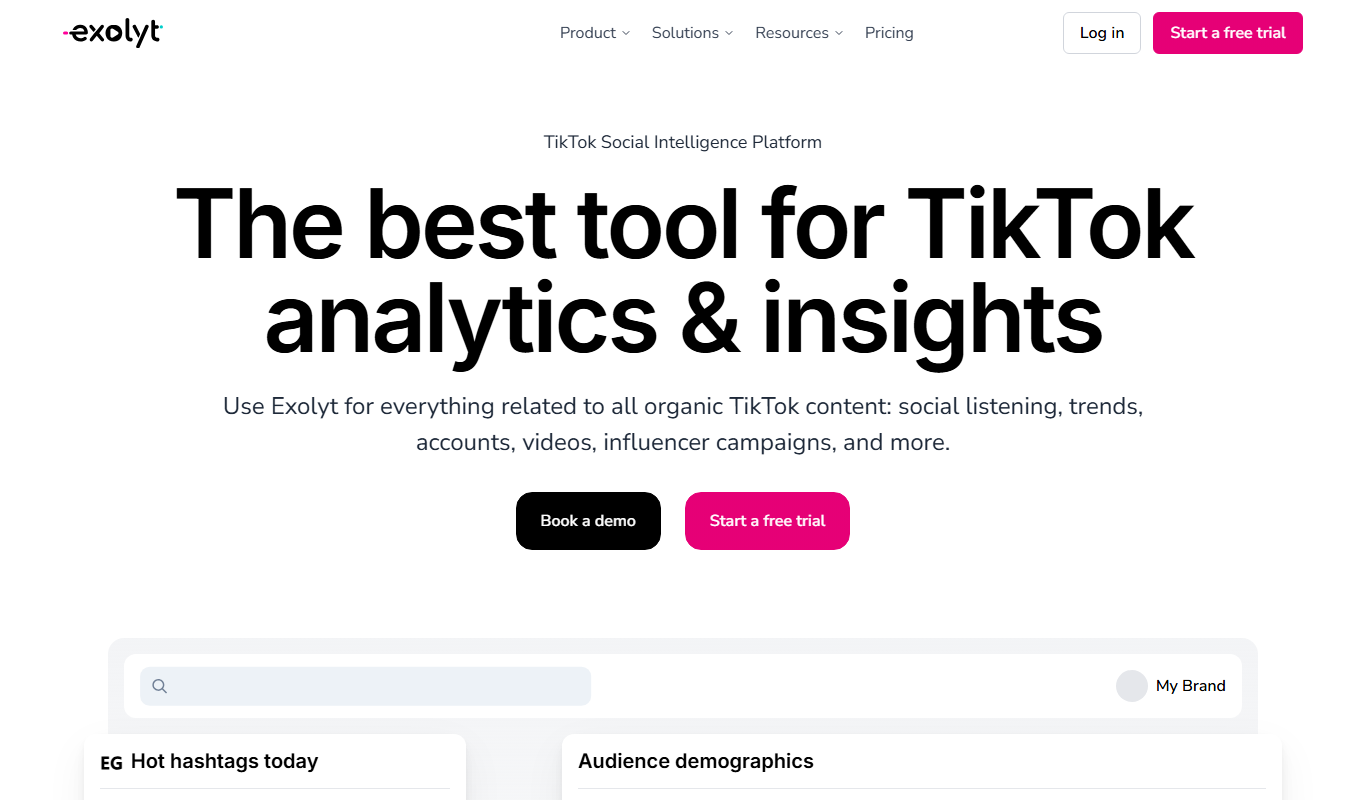
Exolyt
Exolyt is a TikTok analytics tool that helps marketers and influencers track video performance, analyze competitors, and monitor follower growth to optimize TikTok marketing strategies.