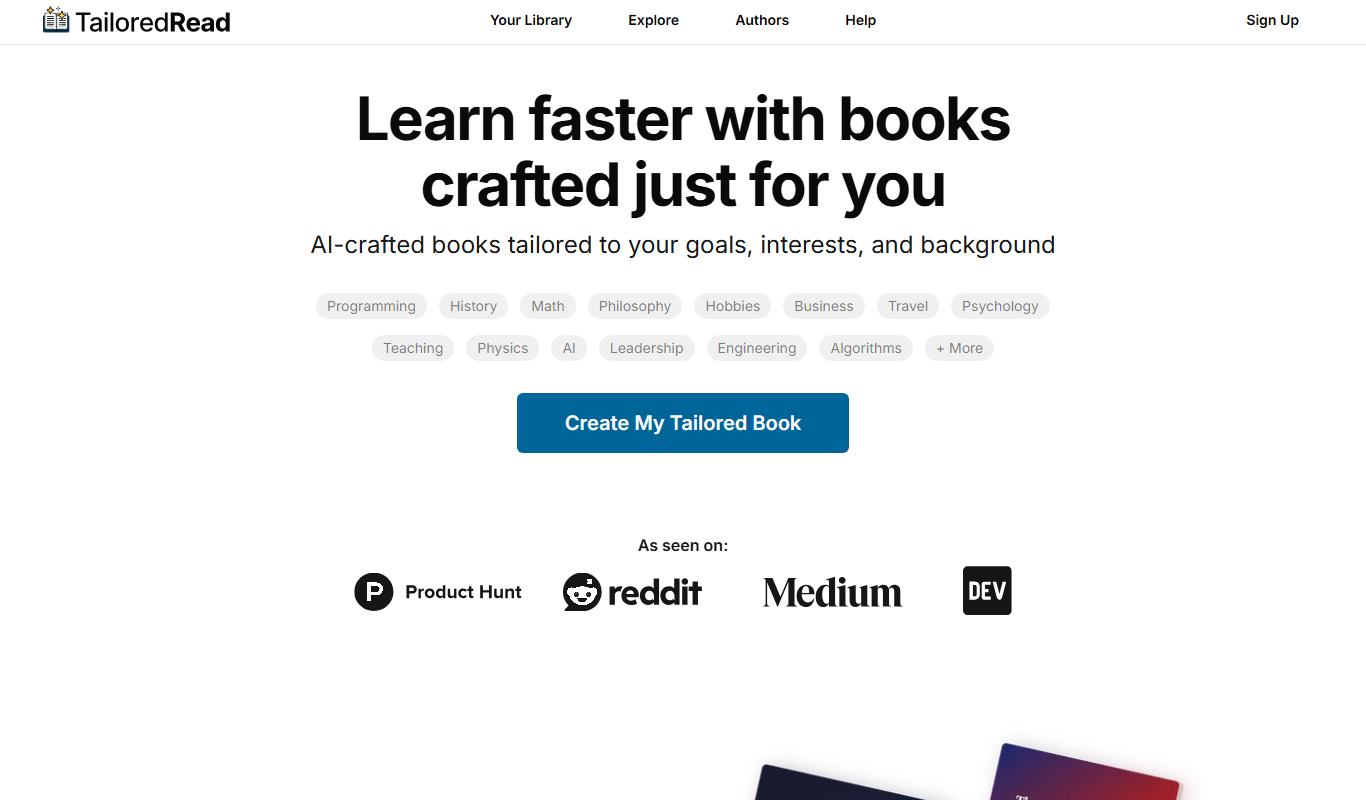
Personalized Content
Short Definition: Personalized content is digital material tailored specifically to an individual user’s preferences, behaviors, or demographics to enhance engagement and relevance.
What Is Personalized Content?
Personalized content refers to the practice of customizing digital experiences by delivering messages, offers, or information that align closely with the unique interests and needs of each user. Rather than presenting generic content to all visitors, businesses use data such as browsing history, location, and purchase behavior to create a more relevant and engaging interaction. For example, an e-commerce site might show product recommendations based on previous purchases, or a news platform might highlight stories related to a reader’s preferred topics.
Why Is Personalized Content Important?
Personalized content significantly improves user experience by making digital interactions more relevant and timely. It helps marketers increase conversion rates, build customer loyalty, and reduce bounce rates by delivering information that resonates with individual users. In a competitive digital landscape, personalization is a key factor in standing out and fostering meaningful connections with audiences.
- Enhances user engagement by meeting specific interests.
- Boosts conversion rates through targeted messaging.
- Improves customer retention and brand loyalty.
Key Characteristics of Personalized Content
- Data-Driven Insights: Uses user data such as behavior, preferences, and demographics to inform content delivery.
- Dynamic Adaptation: Content changes in real-time based on user interactions or context.
- Relevance and Context: Tailors messages to align with the user’s current needs or stage in the customer journey.
How Personalized Content Works (Step-by-Step)
- Collect user data through tracking tools, surveys, or account information.
- Analyze data to identify patterns, preferences, and behaviors.
- Deliver customized content such as recommendations, offers, or messages based on the analysis.
Real-World Examples of Personalized Content
- E-commerce Recommendations: Amazon suggests products related to previous purchases or browsing history to increase sales.
- Email Marketing Campaigns: Brands send personalized emails with special offers or content tailored to a subscriber’s interests or past interactions.
Personalized Content in SEO, Marketing, or Business Context
In SEO and marketing, personalized content plays a strategic role in enhancing user engagement and driving conversions. Search engines increasingly prioritize user experience, so tailoring content to match user intent can improve rankings and reduce bounce rates. Marketers leverage personalization to create relevant touchpoints across channels, ensuring messages resonate and lead prospects smoothly through the sales funnel. Businesses that use personalized content effectively can differentiate themselves, foster loyalty, and maximize ROI.
Common Mistakes or Misunderstandings About Personalized Content
- Assuming personalization only means inserting a user’s name instead of delivering truly relevant content.
- Overpersonalizing to the point of being intrusive, which can alienate users.
Related Terms
- Content Segmentation
- Customer Experience (CX)
- Behavioral Targeting
FAQs About Personalized Content
Tools like CRM software, marketing automation platforms, and AI-driven analytics help gather and apply user data for personalization.
By improving user engagement and relevance, personalized content can enhance SEO rankings through lower bounce rates and longer site visits.
Summary
Personalized content is a powerful approach that tailors digital interactions to individual users’ preferences and behaviors, leading to improved engagement, higher conversions, and stronger customer loyalty. By leveraging data and dynamic content delivery, businesses can create meaningful experiences that resonate with their audience and drive measurable results in SEO and marketing efforts.