What Is Data Cleaning?
Data cleaning, also known as data cleansing or scrubbing, involves detecting and fixing inaccuracies, missing values, duplicates, or formatting issues in datasets. It ensures that data used in analysis, reporting, or machine learning is accurate and trustworthy. Think of it as tidying up a messy room so that everything is in its right place and easy to find. Clean data enables businesses to make informed decisions, enhance customer experiences, and optimize operations effectively.
Why Is Data Cleaning Important?
Accurate data is the foundation of any successful data-driven strategy. Without cleaning, datasets may contain errors that lead to faulty insights or misguided actions. Data cleaning improves the reliability of analytics, reduces the risk of costly mistakes, and increases operational efficiency. It also enhances the performance of algorithms by providing high-quality input, which is crucial for predictive modeling and automation.
- Ensures data accuracy for better decision-making
- Improves consistency across multiple data sources
- Enhances the effectiveness of marketing, sales, and customer service
Key Characteristics of Data Cleaning
- Assuming data cleaning is a one-time task instead of an ongoing process.
- Overlooking the importance of standardizing data formats before analysis.
How Data Cleaning Works (Step-by-Step)
- Data Profiling: Analyze the dataset to identify quality issues and understand its structure.
- Error Correction: Fix missing values, correct errors, and standardize formats.
- Validation: Verify that cleaned data meets quality standards and is ready for use.
Real-World Examples of Data Cleaning
- Customer Database Cleanup: Removing duplicate customer records and standardizing contact information to improve CRM effectiveness.
- Sales Data Correction: Fixing incorrect or missing sales figures to ensure accurate revenue reporting and forecasting.
Data Cleaning in SEO, Marketing, or Business Context
In marketing and SEO, clean data is essential for accurate audience segmentation, campaign performance tracking, and keyword analysis. Dirty data can mislead marketers, causing wasted budgets and missed opportunities. Businesses rely on clean data to personalize customer experiences, optimize lead generation, and measure ROI accurately. Overall, data cleaning supports smarter strategies and operational excellence.
Common Mistakes or Misunderstandings About Data Cleaning
- Assuming data cleaning is a one-time task instead of an ongoing process.
- Overlooking the importance of standardizing data formats before analysis.
Related Terms
- Data Validation
- Data Quality Management
- Data Transformation
FAQs About Data Cleaning
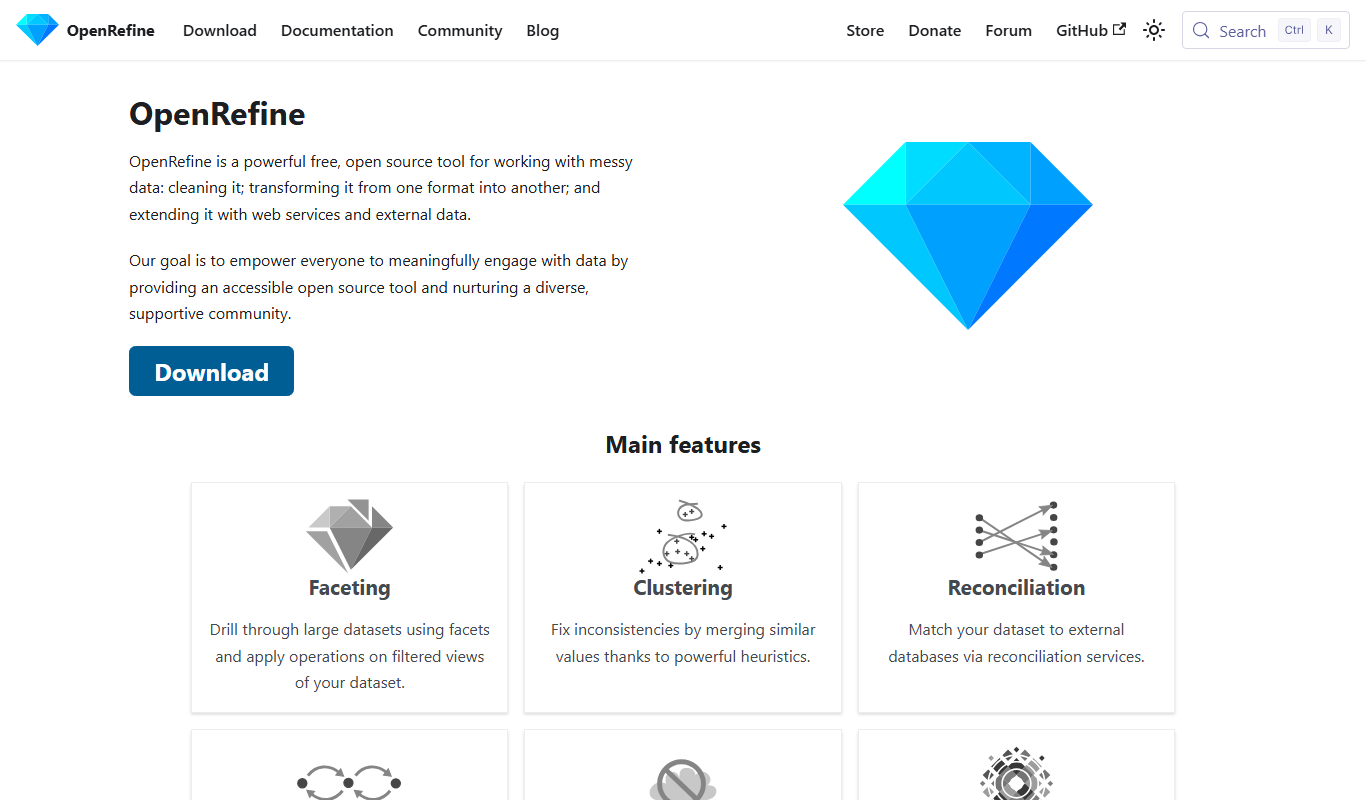
Popular tools include spreadsheet software like Excel, programming languages like Python with libraries such as Pandas, and specialized platforms like OpenRefine.
Data cleaning should be a continuous process, especially when dealing with dynamic or frequently updated datasets.
Summary
Data cleaning is a critical step in preparing accurate and consistent datasets for analysis and decision-making. By identifying and correcting errors, standardizing formats, and removing duplicates, businesses ensure their data is reliable and actionable. Regular data cleaning enhances marketing efforts, improves operational workflows, and supports better outcomes across digital and business strategies.